

Experience Bali's finest destination for meetings, conferences, and events.
Start Planning Your EventImmerse yourself in our exceptional facilities and expert services.
Our ServicesCraft lasting memories in our breathtaking indoor and outdoor venues.
Explore VenuesDiscover what’s happening at BICC. From international conferences to exclusive exhibitions, our dynamic calendar of events keeps you informed and engaged. Stay connected with the latest updates and make your plans to attend some of the most exciting events in Bali.
Experience the Unforgettable
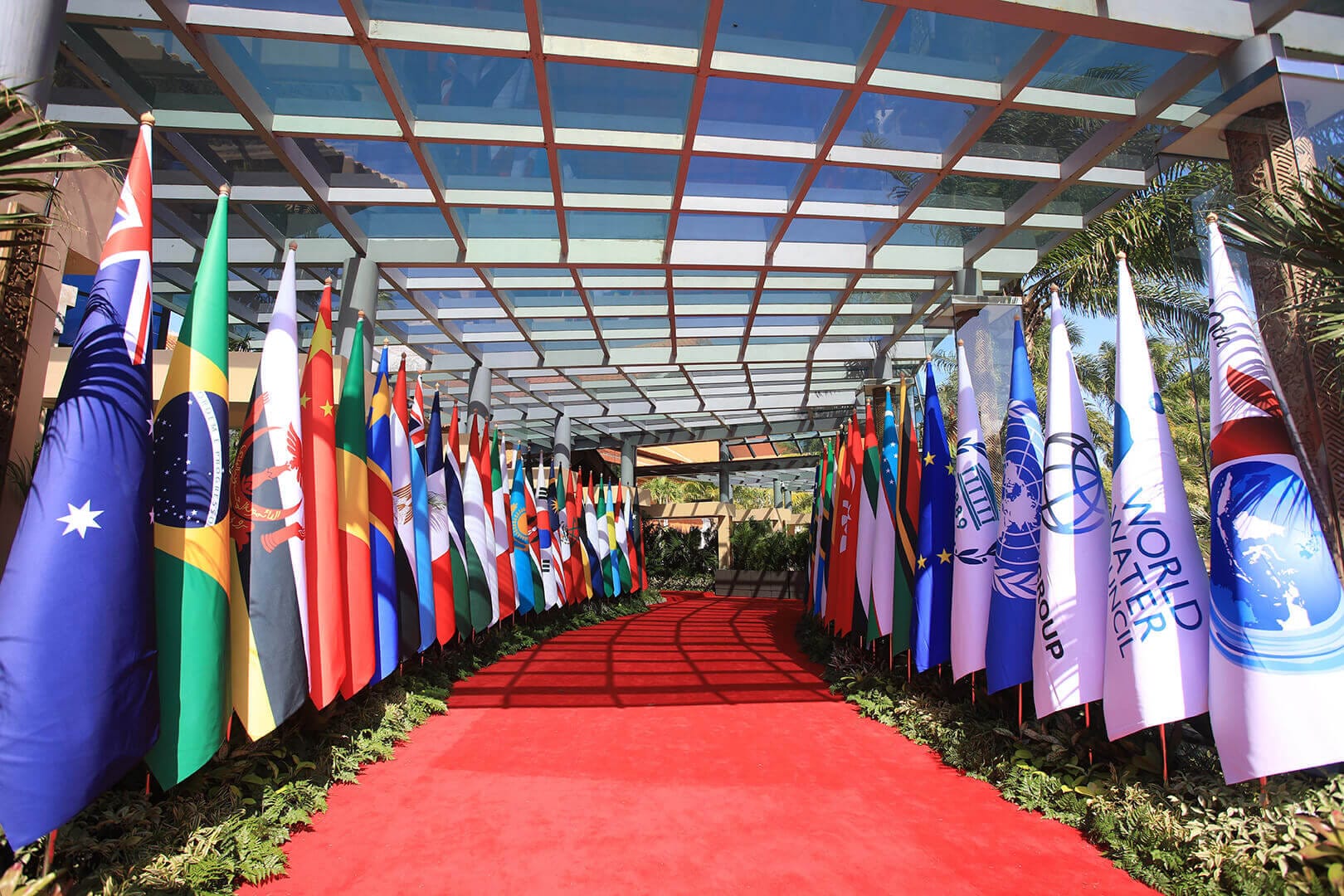
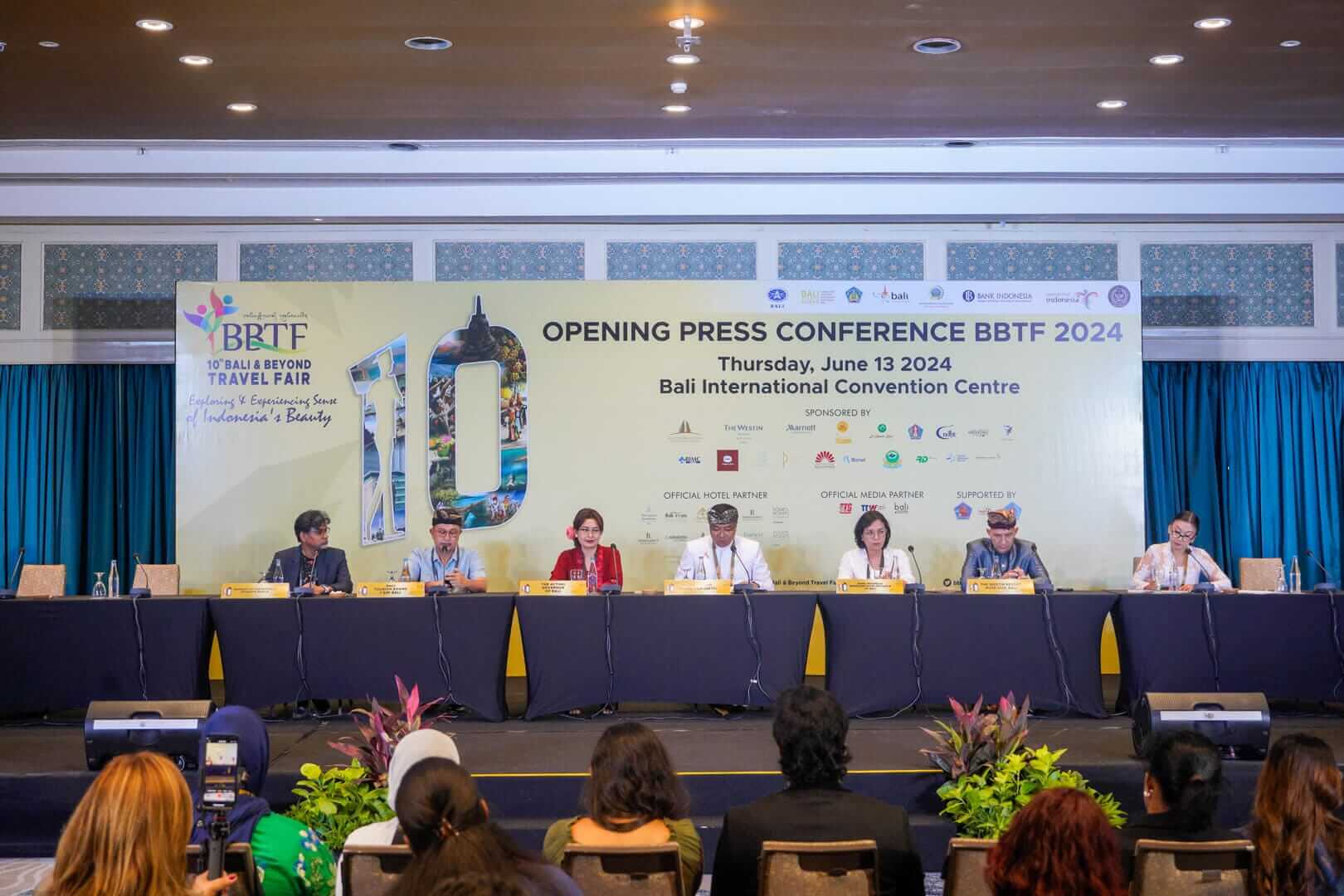
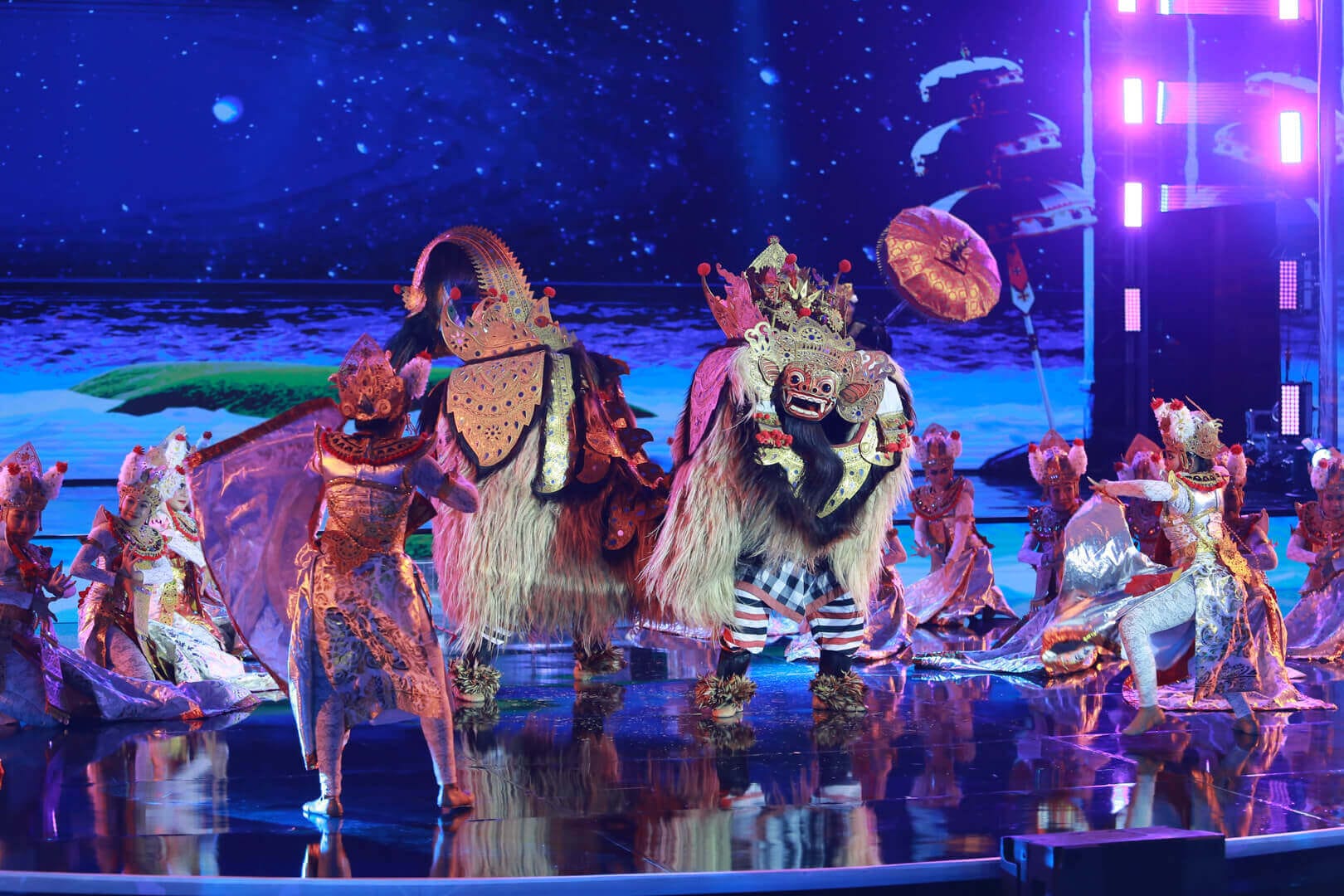
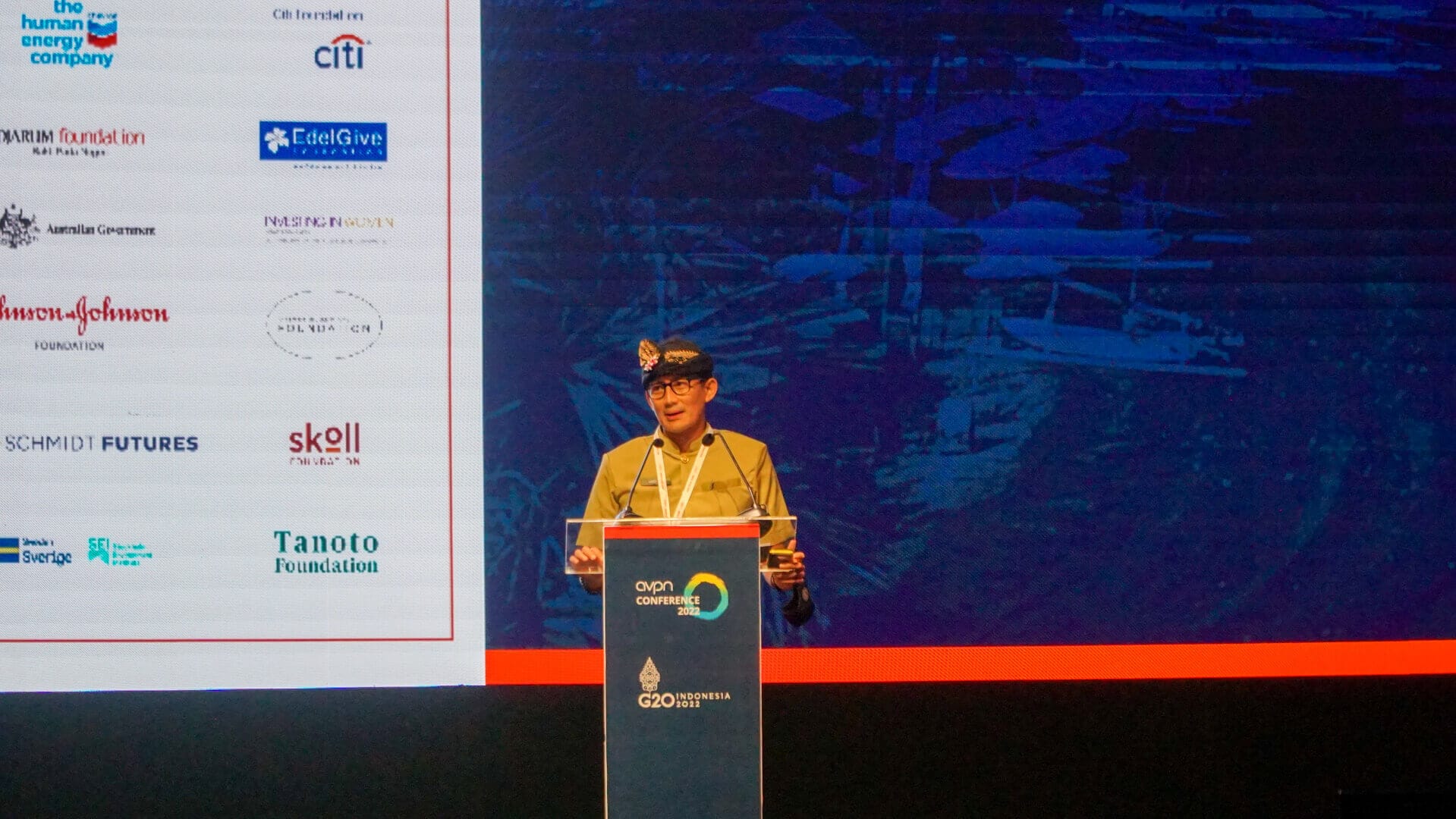
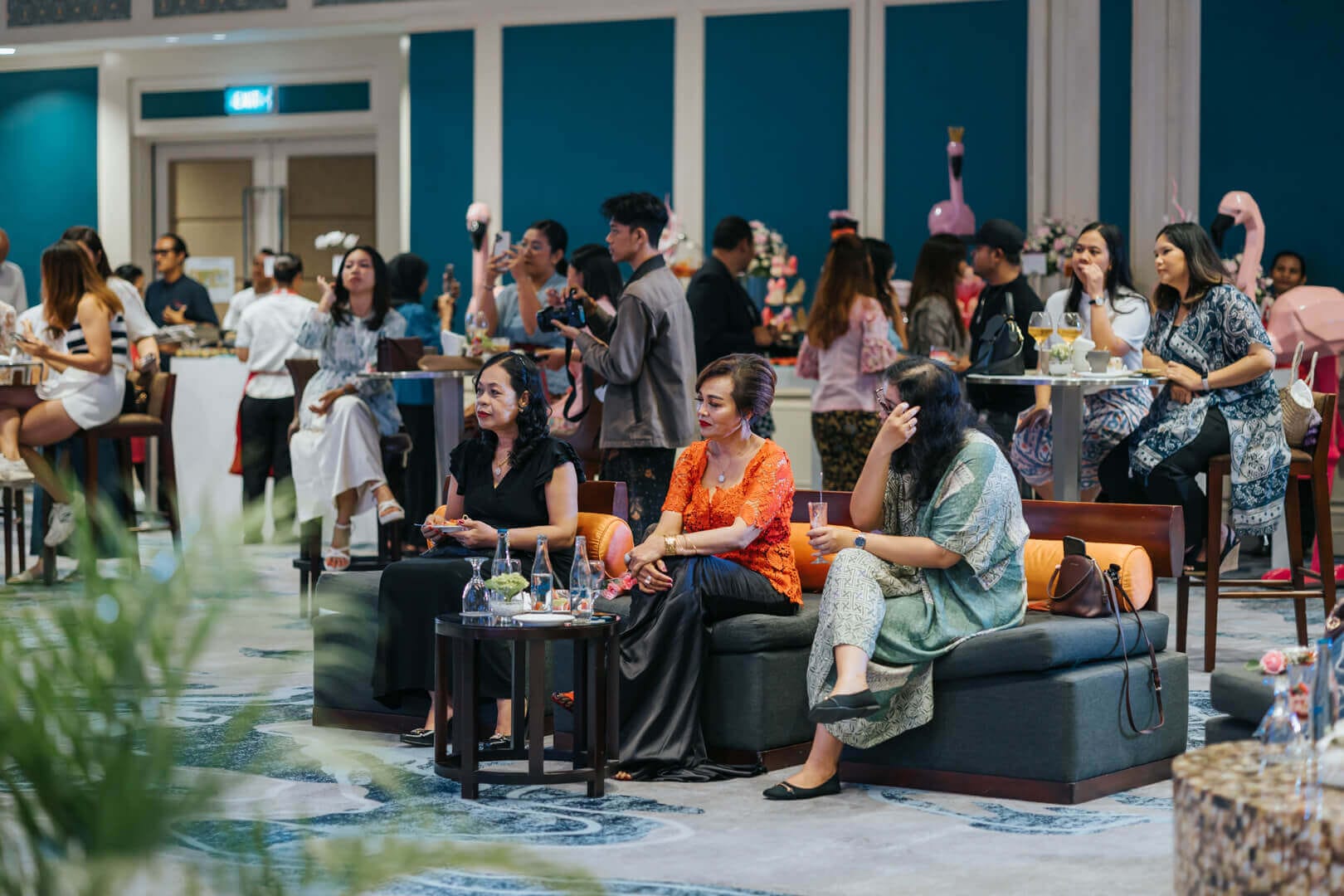
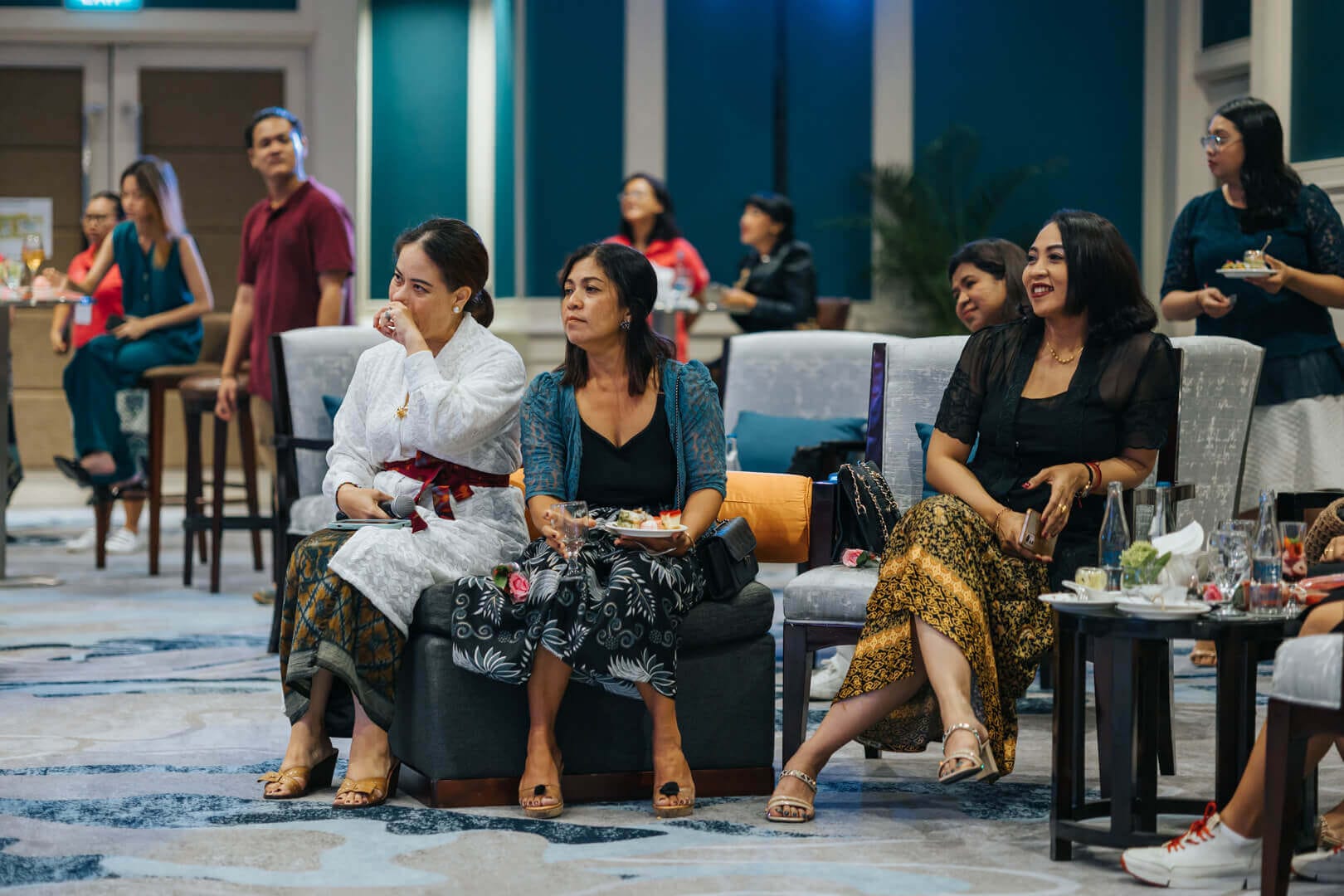
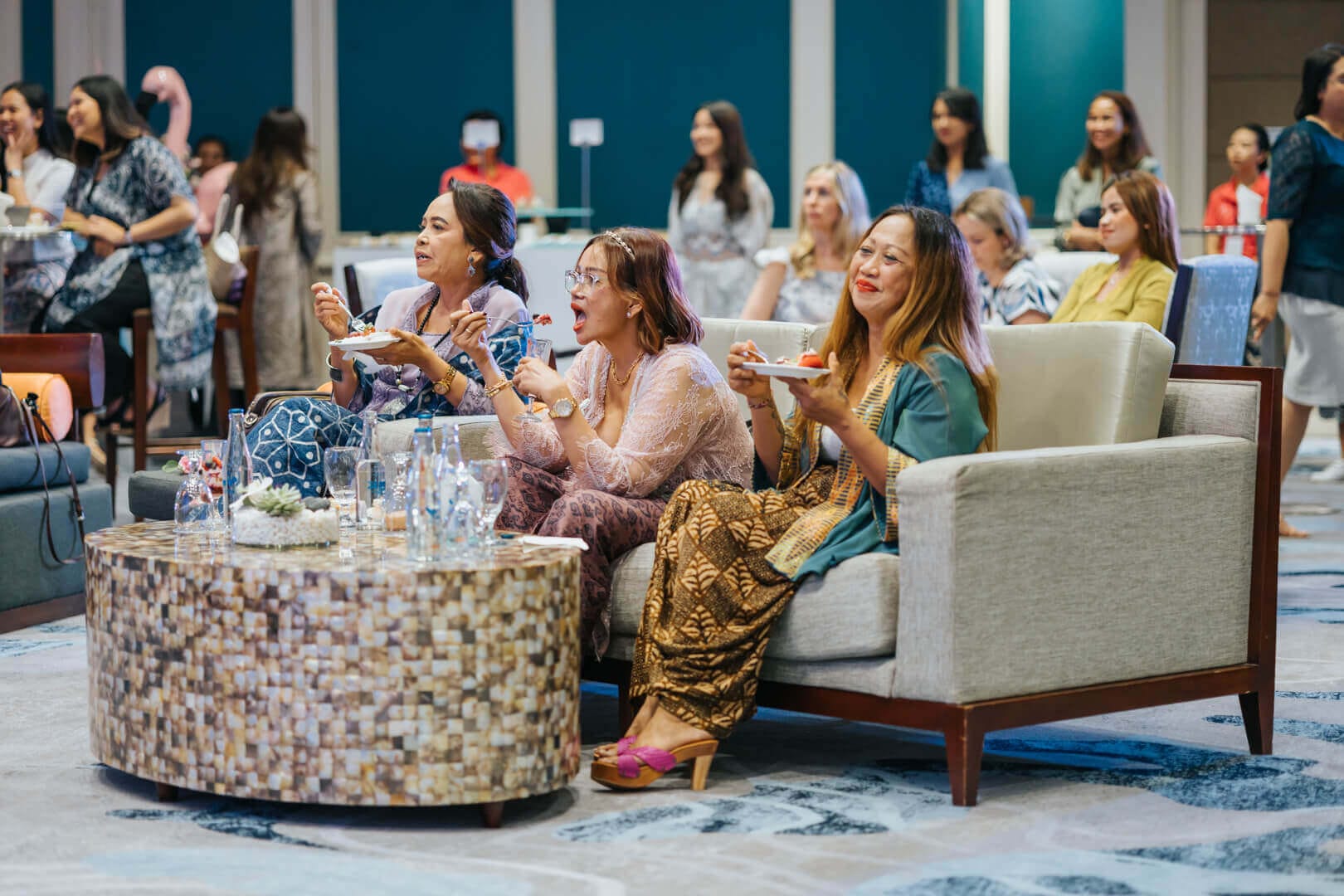
At BICC, we’ve hosted some of Bali’s most memorable events. From high-profile international conferences to breathtaking weddings and grand exhibitions, our past events showcase the versatility and grandeur of our venue.

Welcome to The Westin Resort Nusa Dua, Bali, where wellness and comfort come together. Our BICC is seamlessly connected to the resort via a sheltered walkway, ensuring a convenient and comfortable experience for delegates. Discover our relaxing rooms and suites.
EVENT ROOMS
WESTIN ROOMS & SUITES
SQMT - TOTAL EVENT SPACE
CAPACITY LARGEST SPACE
BREAKOUT ROOMS
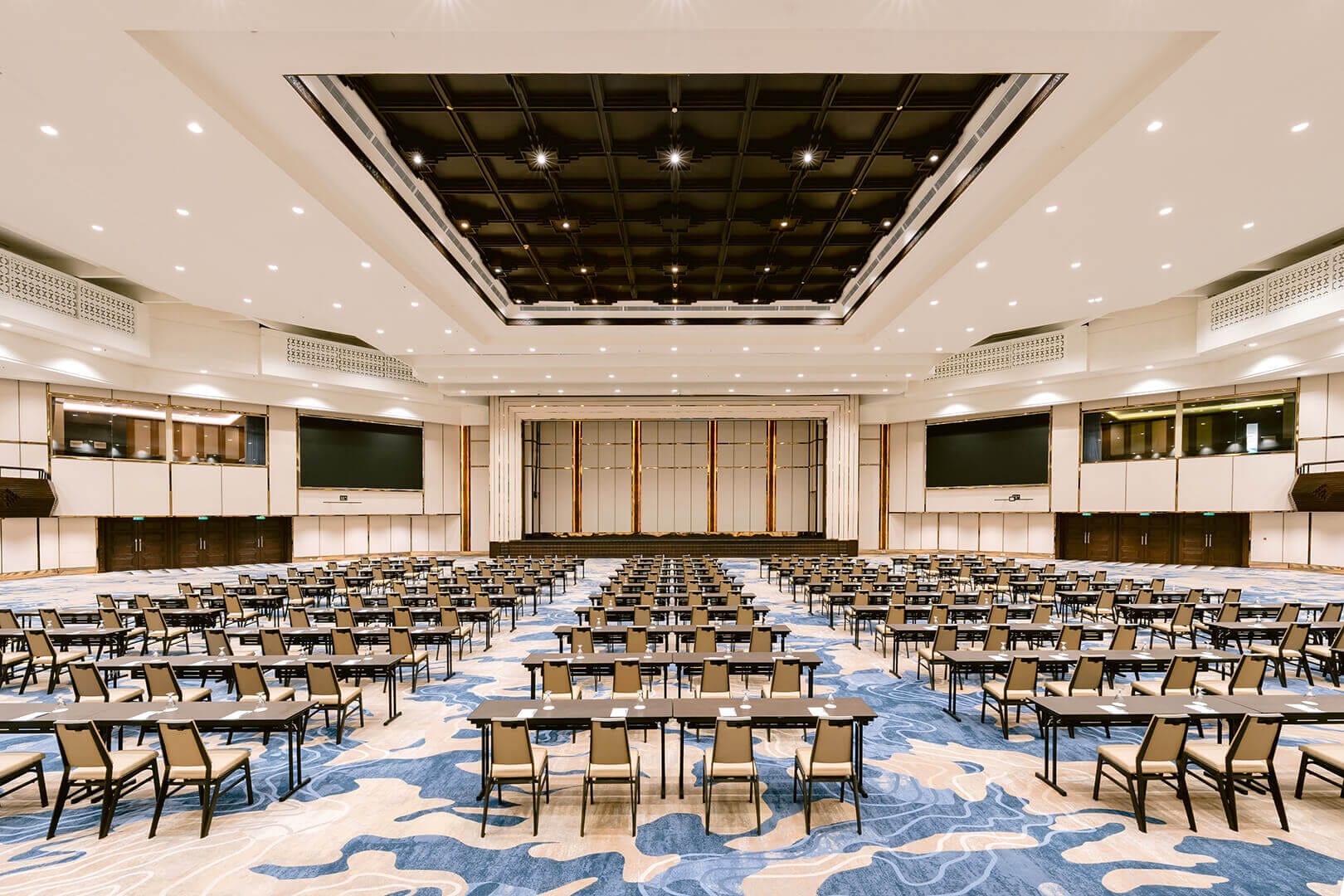
The premier choice for Bali wedding venues, meeting rooms in Bali, and Bali conference venues. Located within The Westin Resort Nusa Dua, Bali, BICC offers over 10,000 square meters of versatile event space, designed to inspire and empower. With a focus on well-being, our sophisticated facilities and responsible practices ensure that every event is a success. Whether you’re planning a global summit, a private gathering, or a dream wedding, BICC provides the perfect setting to maximize your impact.
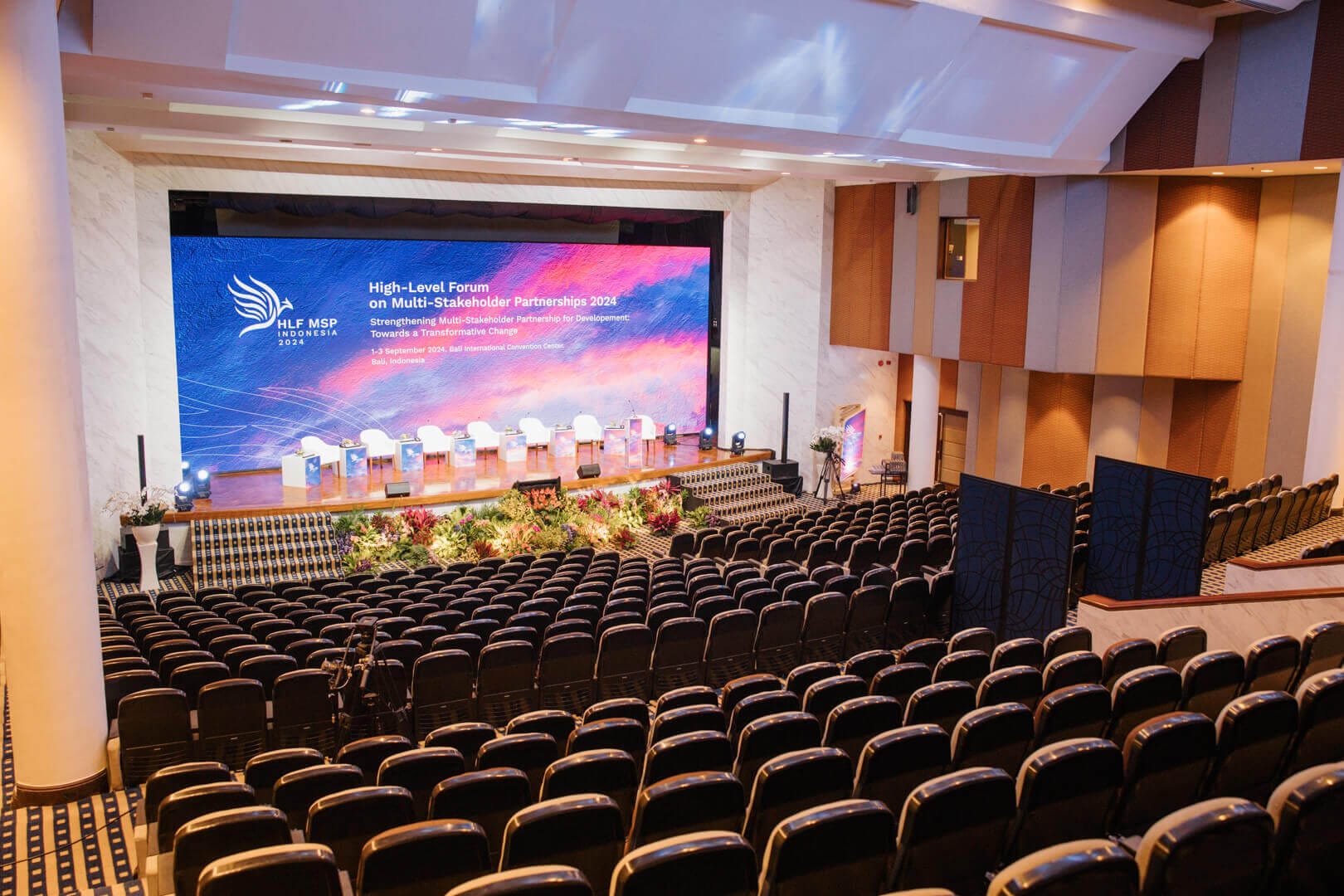
Our state-of-the-art Auditorium, the island’s only tiered theatre with 506 built-in seats, offers unparalleled viewing experiences.
This 1,961 m² space hosts up to 2,300 guests theater-style or 1,080 for banquets, ideal for large events and celebrations.
This spacious venue is perfect for large events, accommodating up to 480 guests in a theater setup.
A large conference space with a theater capacity of 624, ideal for major events and conventions.
With an internal staircase leading to an upstairs gallery, provides the perfect setting for dynamic exhibitions and events.
Ideal for small to medium-sized events, this room accommodates up to 70 people in a theater setup.
Eco-Friendly Events, Positive Impact
Bali International Convention Centre (BICC) is committed to sustainability through our Sustainable Meetings program, reducing the environmental impact of events with eco-conscious practices. As part of Good Travel by Marriott Bonvoy, guests can engage in activities like beach clean-ups, coral planting, and cultural conservation, fostering meaningful connections with Bali’s natural beauty while making a positive impact. Plan your event with us and contribute to a more sustainable future.
EMPOWER YOUR VISION
Experience local heritage through captivating Kakawin Ramayana-inspired artworks.
What our Customers are saying
Why Choose Bali International Convention Centre

 pascal c
Verified
Wonderful place This Conference Centre is ideally located, very beautiful facility with numerous rooms and can host 1000's of guest + on-site food is very good and very affordable Saif Otaibiمركز مؤتمرات كبير مركز مؤتمرات كبير ومنظم حضرت في اجتماعات لمدة 6 ايام مقابل فندوق نوسا دوا بيتش حريصين على البروتوكولات الصحية للحد من انتشار فايروس كورونا
 rohitg1000Koleksi Hebat Sedikit mahal dari kota. Tempat yang bagus untuk malam dan makan. Anda dapat memilih makanan dari berbagai variasi. Tempat yang damai. Mereka memiliki layanan antar-jemput untuk penjemputan dan penurunan.
 lannia2014Ruang Konvensional yang Luas dan Nyaman Saya kesini dalam rangka Annual Meeting IMF WBG Oktober 2018. BICC merupakan salah satu site dalam lokasi campus. Ruang konvensi yang nyaman dan luas.
 ТатьянаИ правда....ДВОРЕЦ! Будучи в прошлом году в поездке по Бали,мне не удалось посетить этот центр,но в этом году мне повезло больше. Снаружи опять же все двери были закрыты,а вот из отеля Вестин,мне удалось пройти в этот дворец.Мероприятий никаких не было,но я обошла все конференц-залы и осмотрела зоны отдыха. Ребята,это ШИК! Смотрите фото.
 GRACIAGRACIAไปเยือนแบบไม่ได้วางแผน ทริปนี้ไม่มีการวางแผน เป็นทริปที่เพื่อนอยากไปแล้วบังเอิญ ตั๋วราคาดีก็กดจองให้เฉยเลย พอมาถึงก็โอเคสถานที่น่าพักผ่อน รถม่ติด กินเที่ยวแบบจ้างคนขับรถ

 Radina Whida
Trustindex verifies that the original source of the review is Google.
Kereeeen ,tp sayang toilet nya kering Carlson Kurniawangreat venue tp held symposium
 Putu Junara PutraThe best convetion center
 henny wonleleNyaman
 Nguyễn Thị MừngBali là một hòn đảo mà tôi tin rằng du khách toàn cầu sẽ muốn ghé thăm nhiều hơn một lần! Chúng tôi đến đây để dự sự kiện #FGR23 của tập đoàn Forever Living Products và rất vui khi được tham dự sự kiện ở một địa điểm hàng đầu của Bali. Một trải nghiệm rất tuyệt vời, hiện đại và hoành tráng từ âm thanh ánh sáng...! Đến với Bali Tôi cảm nhận được nhịp sống bình dị, sự an nhiên ở con người nơi đây. Từ cảnh sắc thiên nhiên tươi đẹp đến nét đẹp tâm hồn, nét đẹp lao động của người dân... Cảm ơn đất nước indonesia đã tạo nên một điểm du lịch tuyệt vời như thế, thật xứng với danh hiệu Thiên Đường Bali! Hẹn gặp lại Bali !❤❤❤
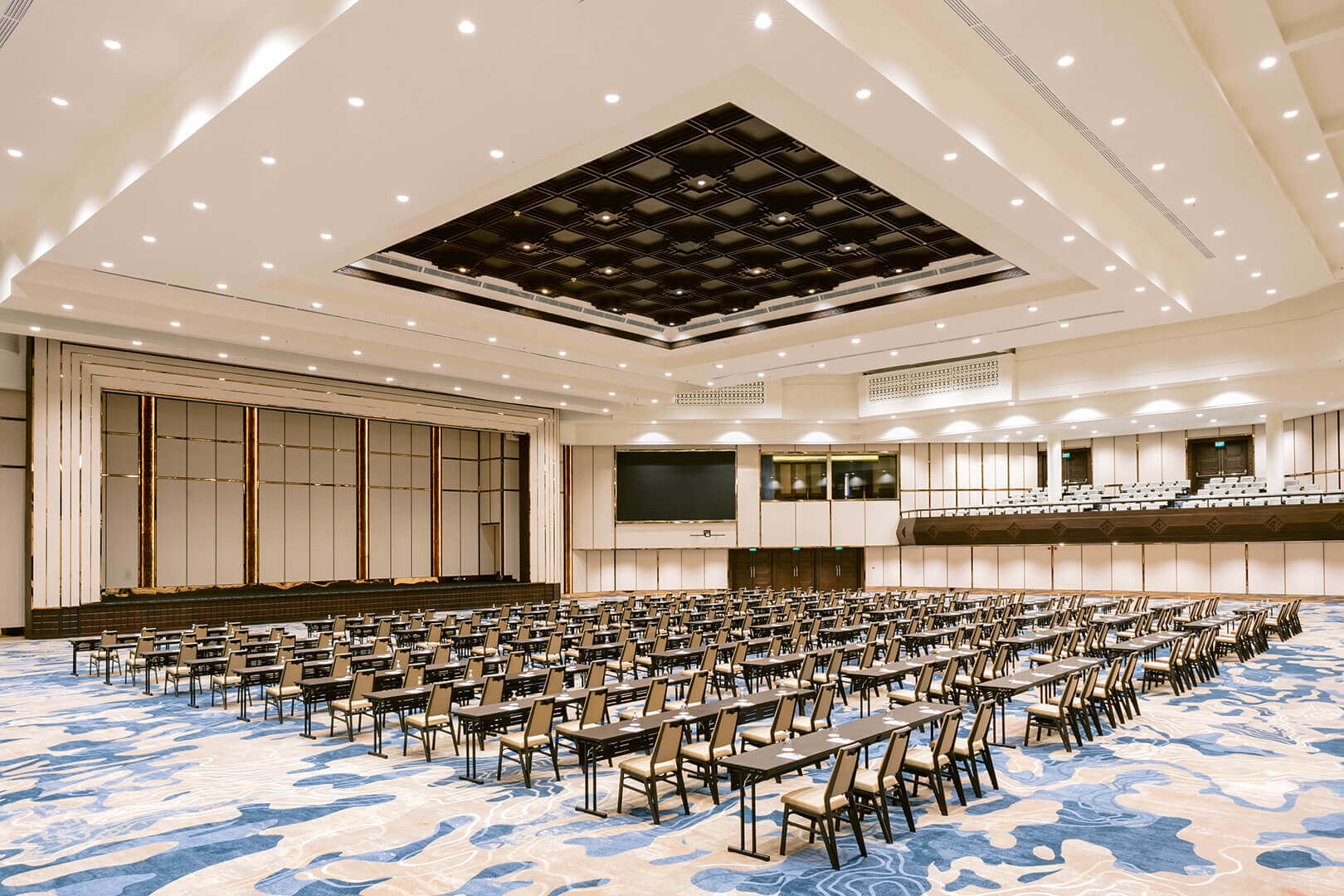
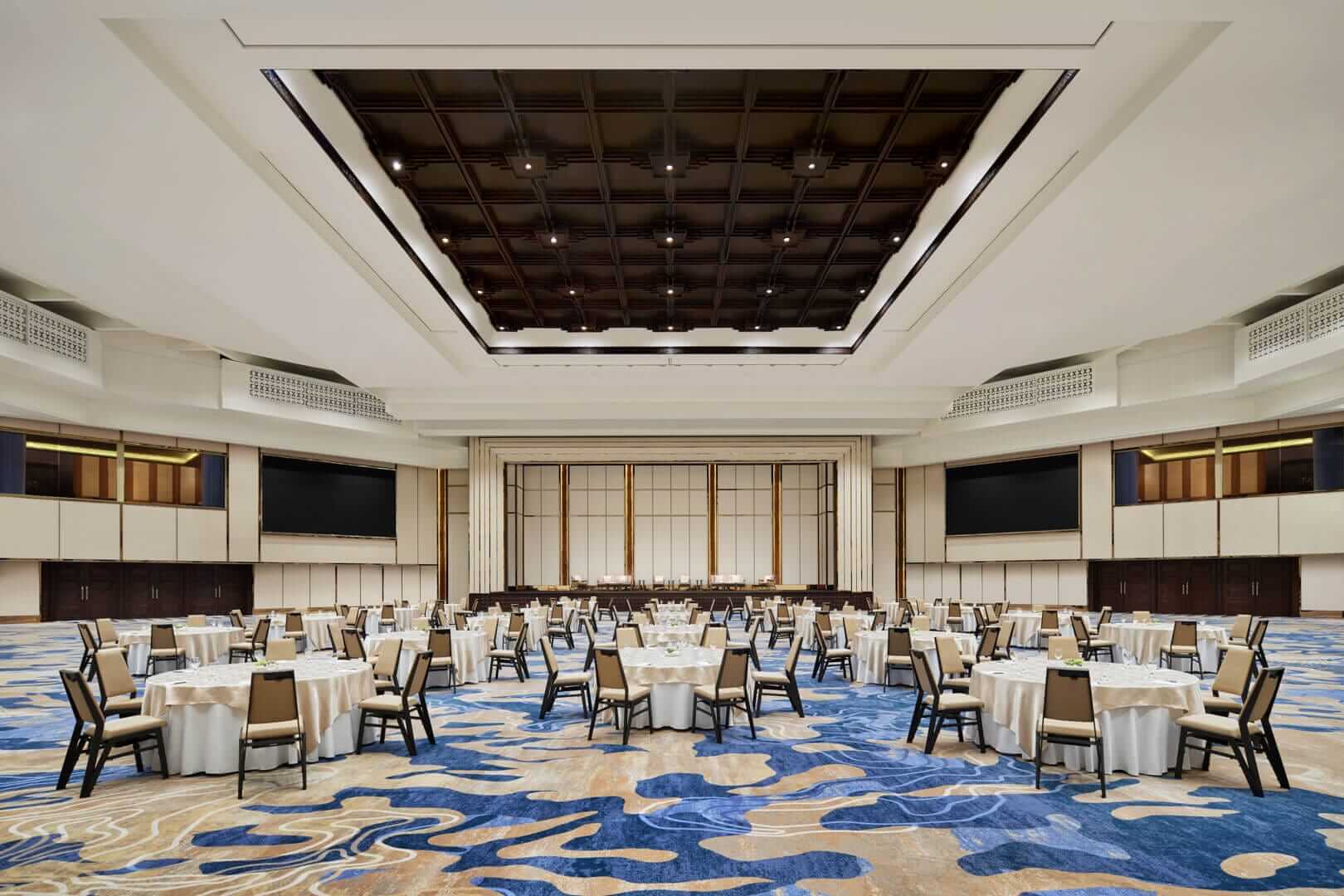
Mangupura Hall is a massive event space covering 1,961 m², with the ability to host up to 2,300 guests in a theater-style setup or 1,080 in a banquet setting. This hall is perfect for large-scale events, conventions, or grand celebrations.
An outdoor venue designed for small gatherings or presentations, the Mangupura Balcony – East can accommodate up to 91 guests in a theater-style seating arrangement, making it perfect for open-air events or intimate gatherings.
Another spacious outdoor option, the Mangupura Balcony – West also accommodates up to 91 guests in a theater arrangement. This venue is ideal for outdoor corporate events, receptions, or presentations.
| MANGUPURA HALL | BALCONY EAST | BALCONY WEST | |
|---|---|---|---|
| TOTAL SQ. METER | 1961 | 152 | 152 |
| TOTAL SQ. FEET | 21000 | 1612 | 1612 |
| DIMENSIONS (M) | 53 X 37 | 19 X 8 | 19 X 8 |
| DIMENSIONS (FT) | 175 X 120 | 62 X 26 | 62 X 26 |
| CEILING (M) | 10 | 3 | 3 |
| CEILING (FT.) | 33 | 10 | 10 |
| THEATER | 2300 | 70 BUILT IN SEAT | 70 BUILT IN SEAT |
| CLASSROOM | 1220 | ||
| U-SHAPE | NA | ||
| BANQUET | 1080 |


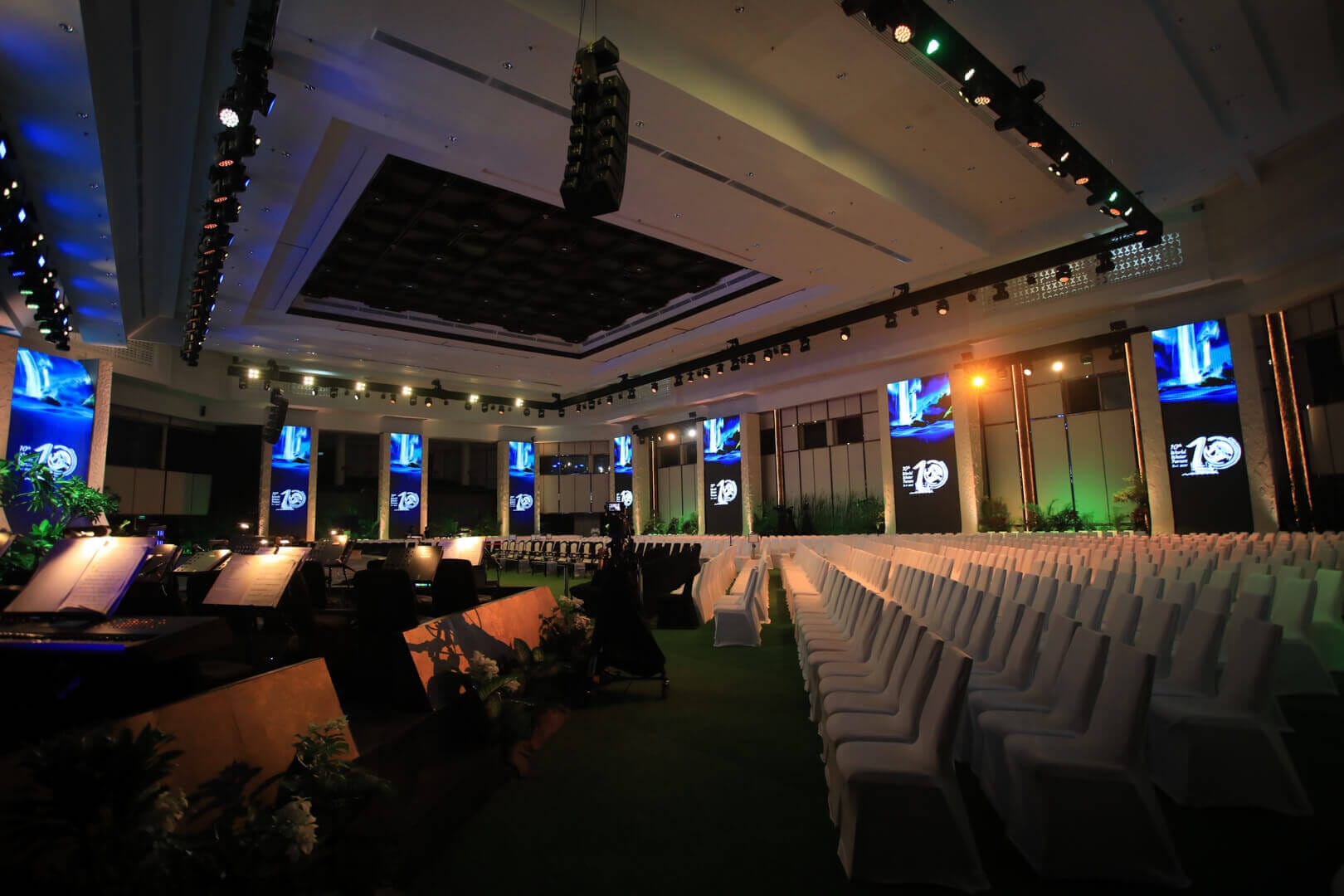


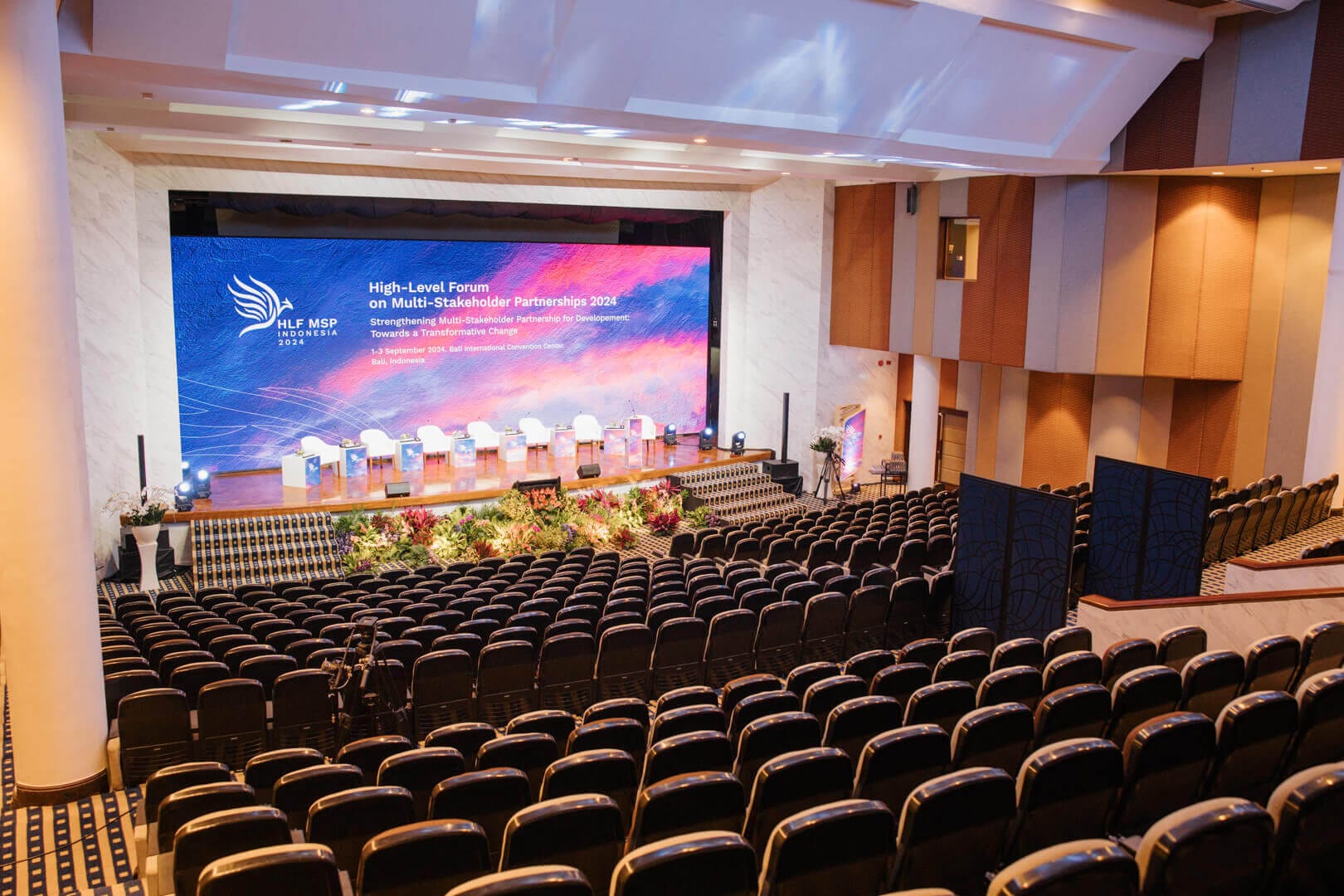
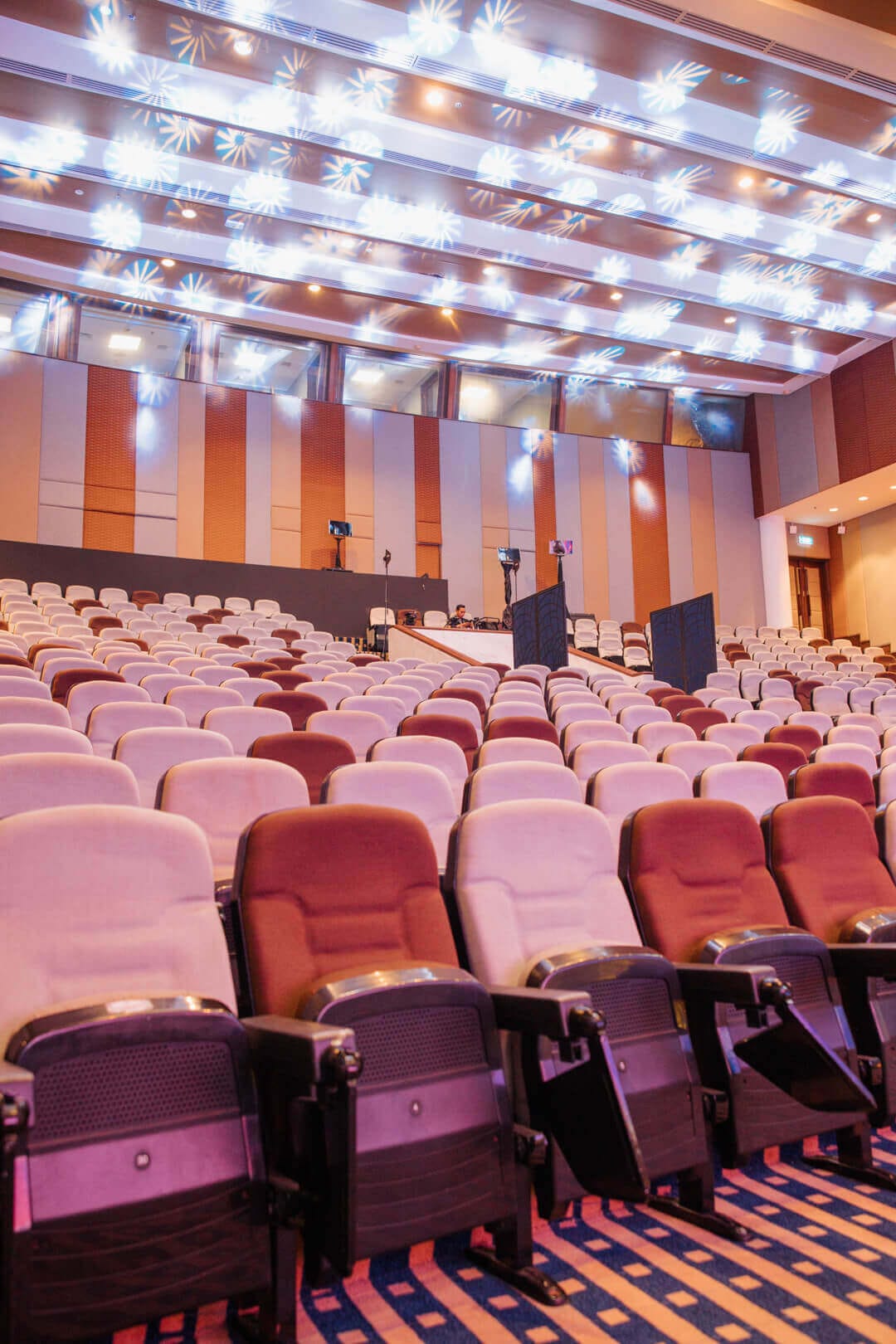


The BICC auditorium offers a spacious and comfortable seating arrangement for up to 506 guests. It features a built-in stage, making it an ideal venue for conferences, presentations, performances, and large-scale events. With modern audiovisual capabilities and excellent acoustics, this auditorium provides a professional setting for impactful events.
| AUDITORIUM | |
|---|---|
| TOTAL SQ. METER | 588 |
| TOTAL SQ. FEET | 5336 |
| DIMENSIONS (M) | 28 X 22 |
| DIMENSIONS (FT) | 92 X 57 |
| CEILING (M) | – |
| CEILING (FT.) | – |
| THEATER | 506 |
| CLASSROOM | NA |
| U-SHAPE | NA |
| BANQUET | NA |
These combined rooms offer the perfect setting for large-scale conferences, seminars, or corporate events. With a shared theater-style seating capacity of up to 320 people, this space is ideal for events that require a grand yet professional atmosphere.

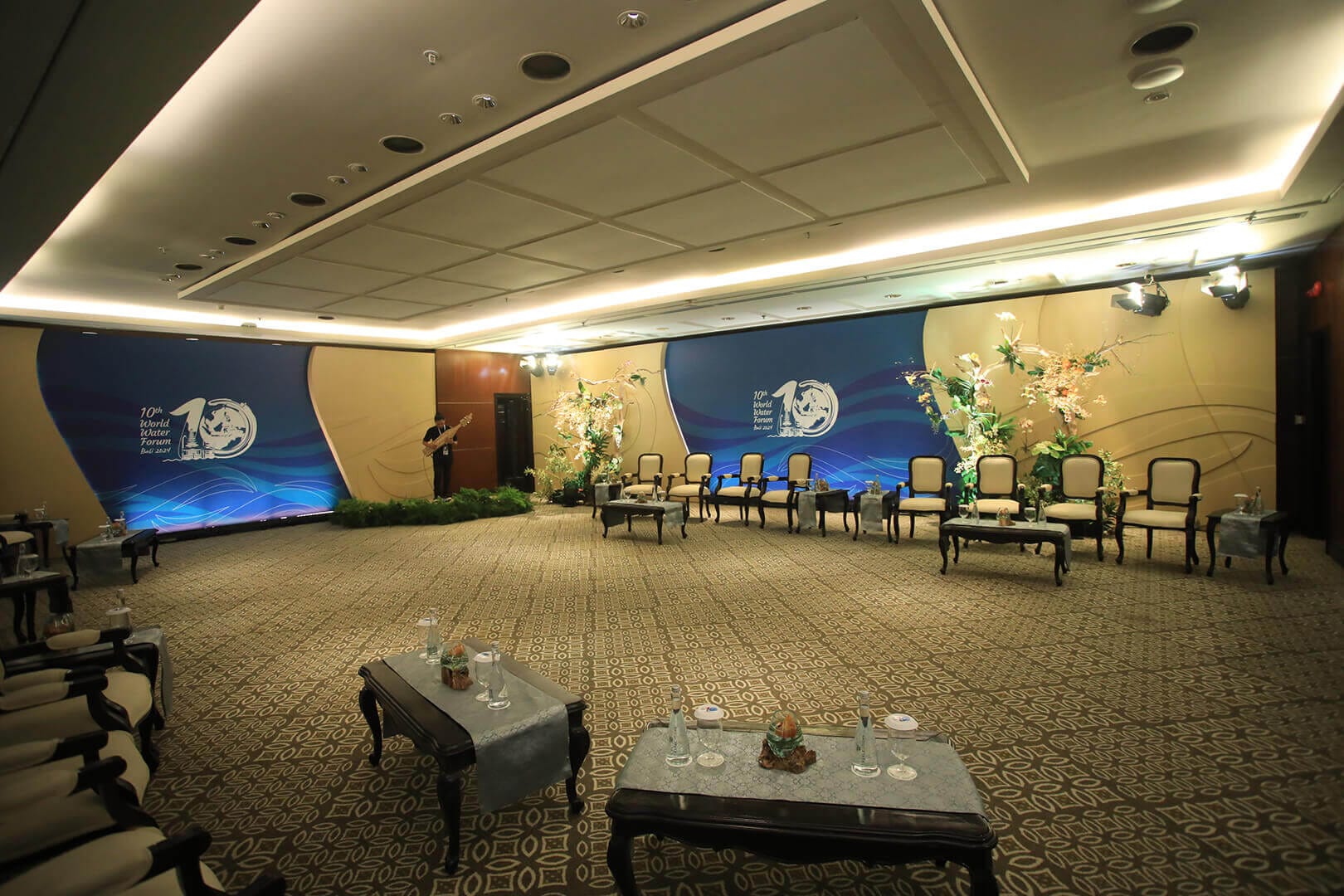
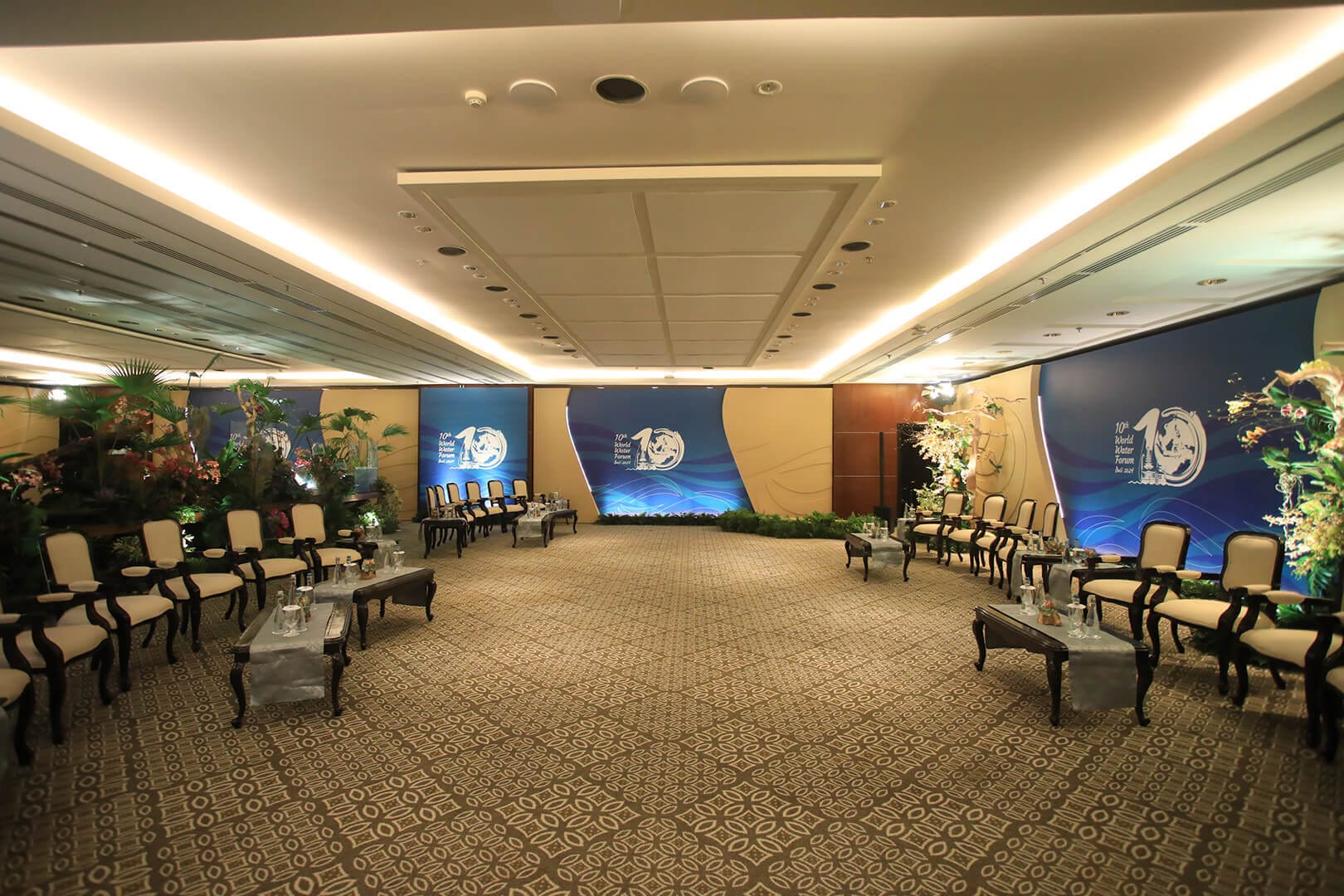
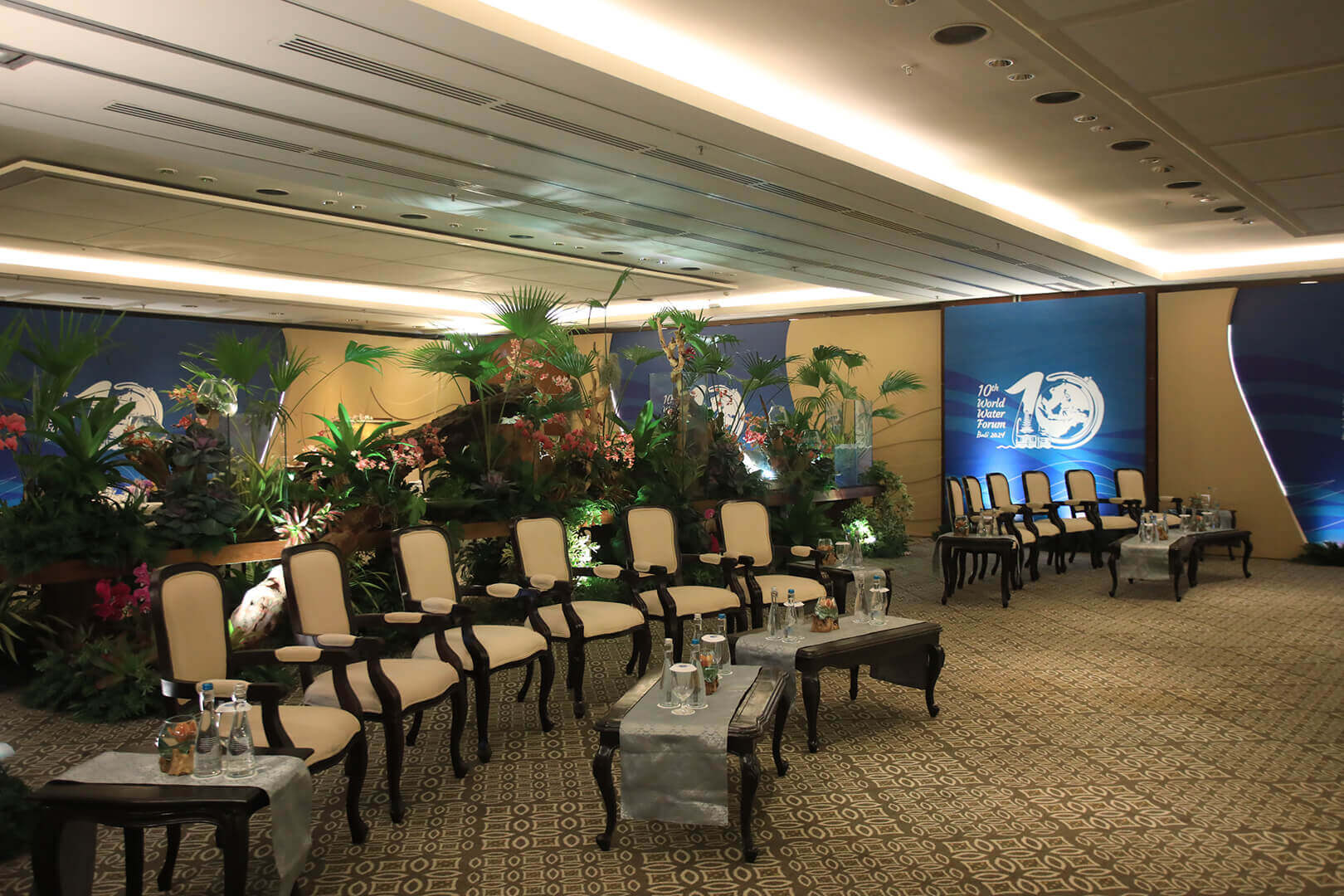
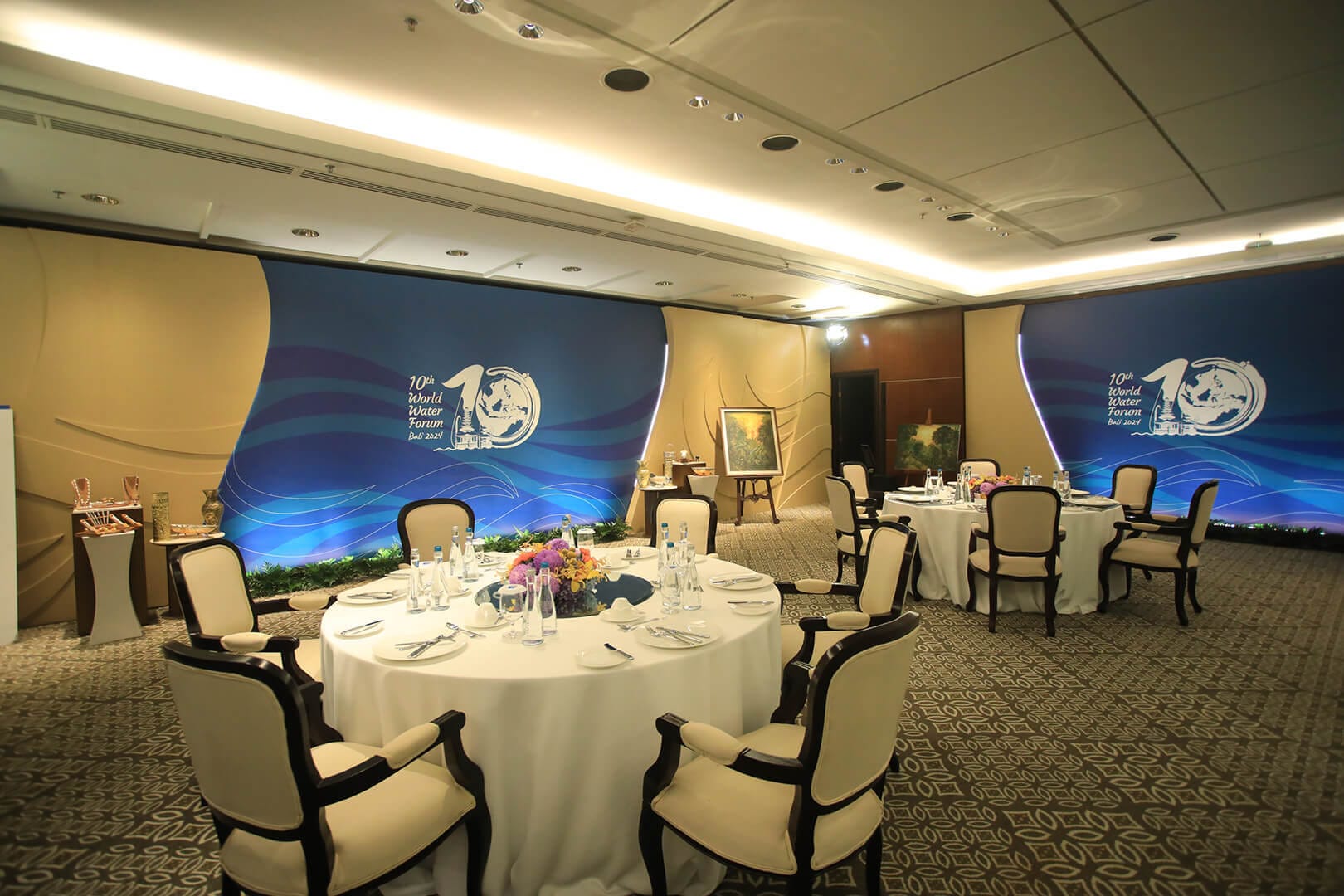
The Hibiscus Room is tailored for mid-sized events such as presentations, workshops, or seminars. It can accommodate up to 140 attendees in a theater-style arrangement, making it a versatile space for various corporate or educational functions.

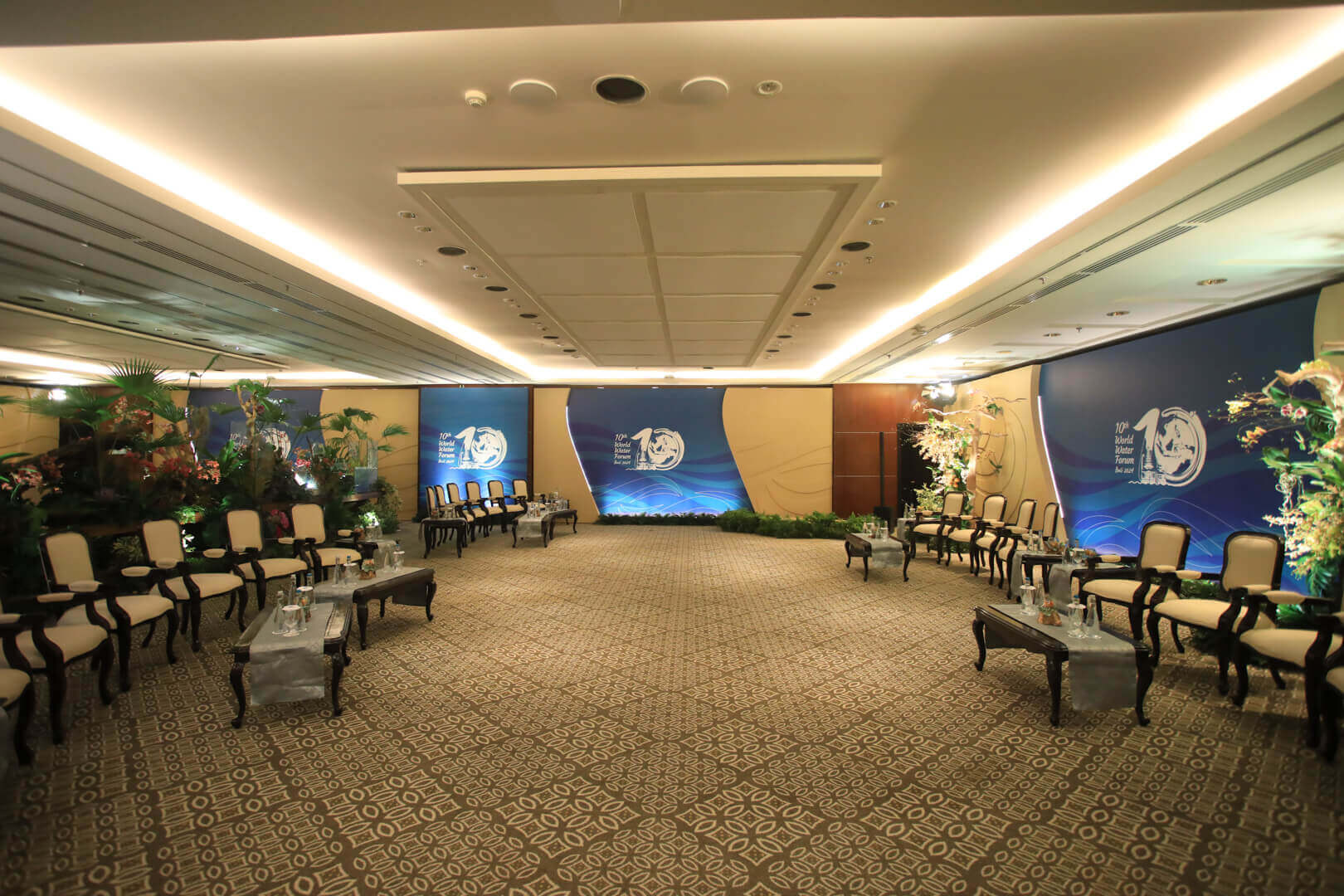
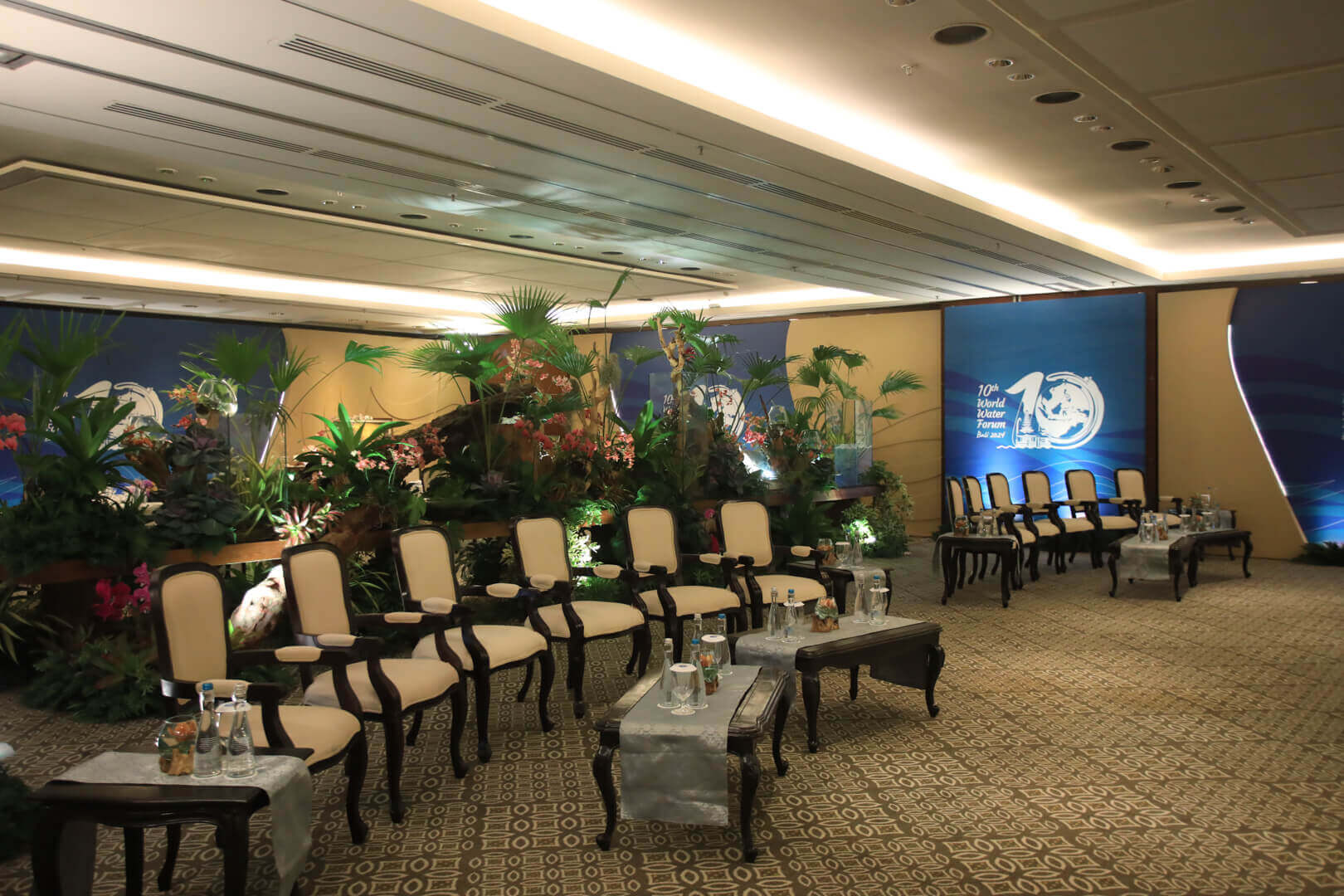
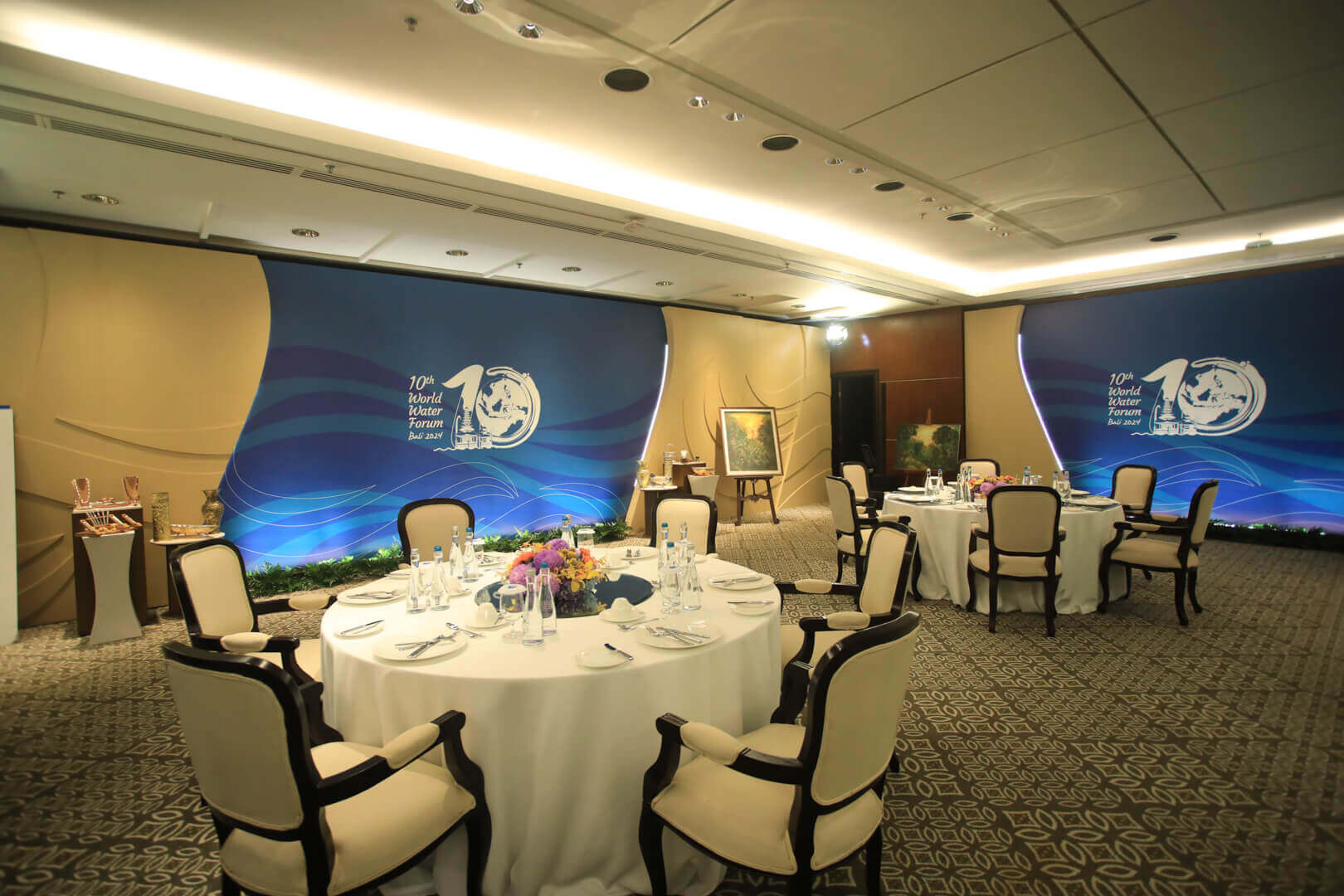
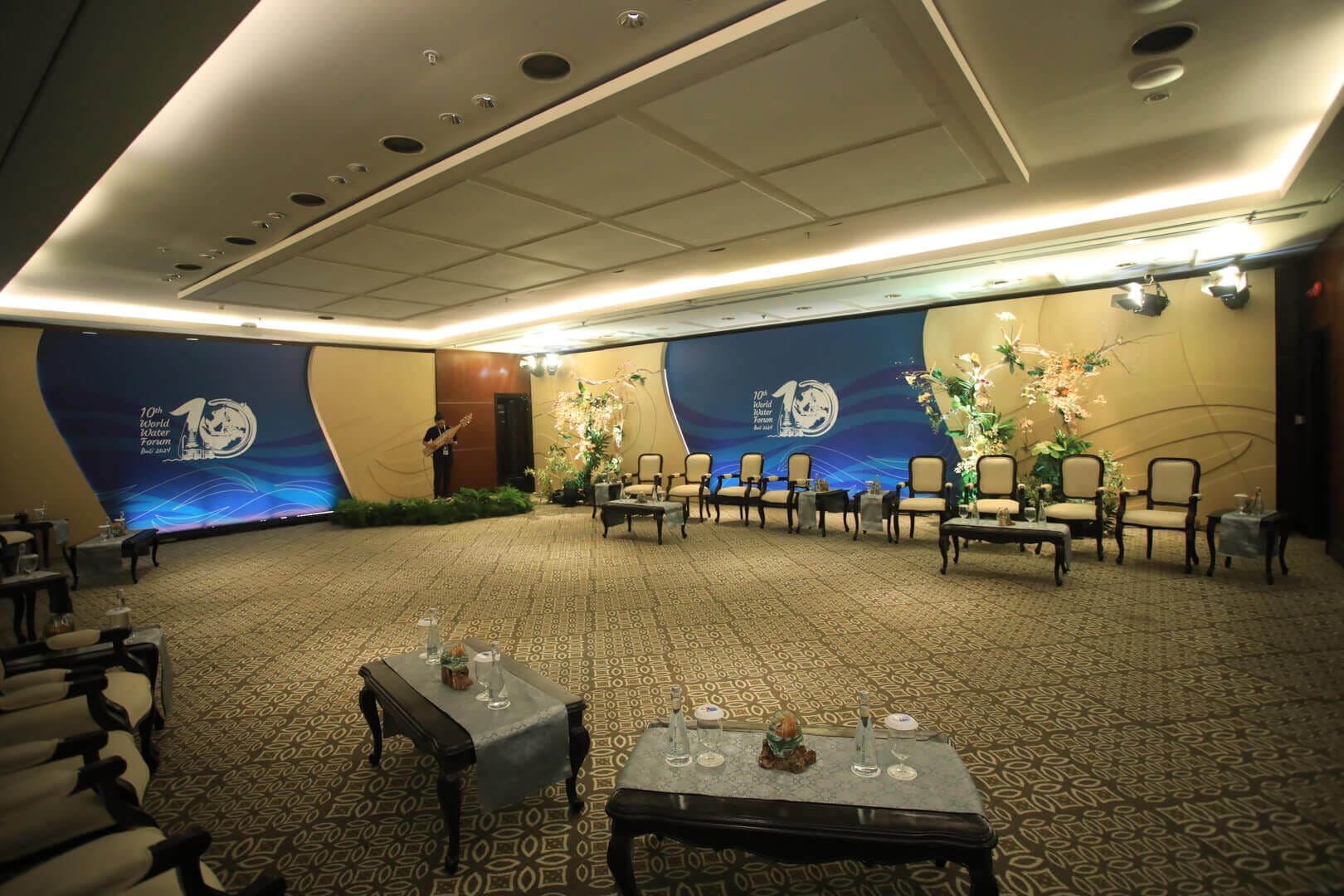
This room provides an intimate setting for smaller meetings, breakout sessions, or private discussions. With a theater-style capacity of 140 people, it is the perfect venue for focused gatherings or departmental meetings.
| HIBISCUS & FRANGIPANI ROOM | HIBISCUS ROOM | FRANGIPANI ROOM | |
|---|---|---|---|
| TOTAL SQ. METER | 374 | 187 | 187 |
| TOTAL SQ. FEET | 3920 | 1960 | 1960 |
| DIMENSIONS (M) | 22 X 17 | 11 X 17 | 11 X 17 |
| DIMENSIONS (FT) | 70 X 56 | 35 X 56 | 35 X 56 |
| CEILING (M) | 3 | 3 | 3 |
| CEILING (FT.) | 10 | 10 | 10 |
| THEATER | 320 | 140 | 140 |
| CLASSROOM | 180 | 84 | 84 |
| U-SHAPE | 63 | 33 | 33 |
| BANQUET | 180 | 80 | 80 |
These two rooms together can host large-scale events, offering theater-style seating for up to 320 guests. Ideal for conferences, product launches, or other significant business functions, they provide both space and flexibility.
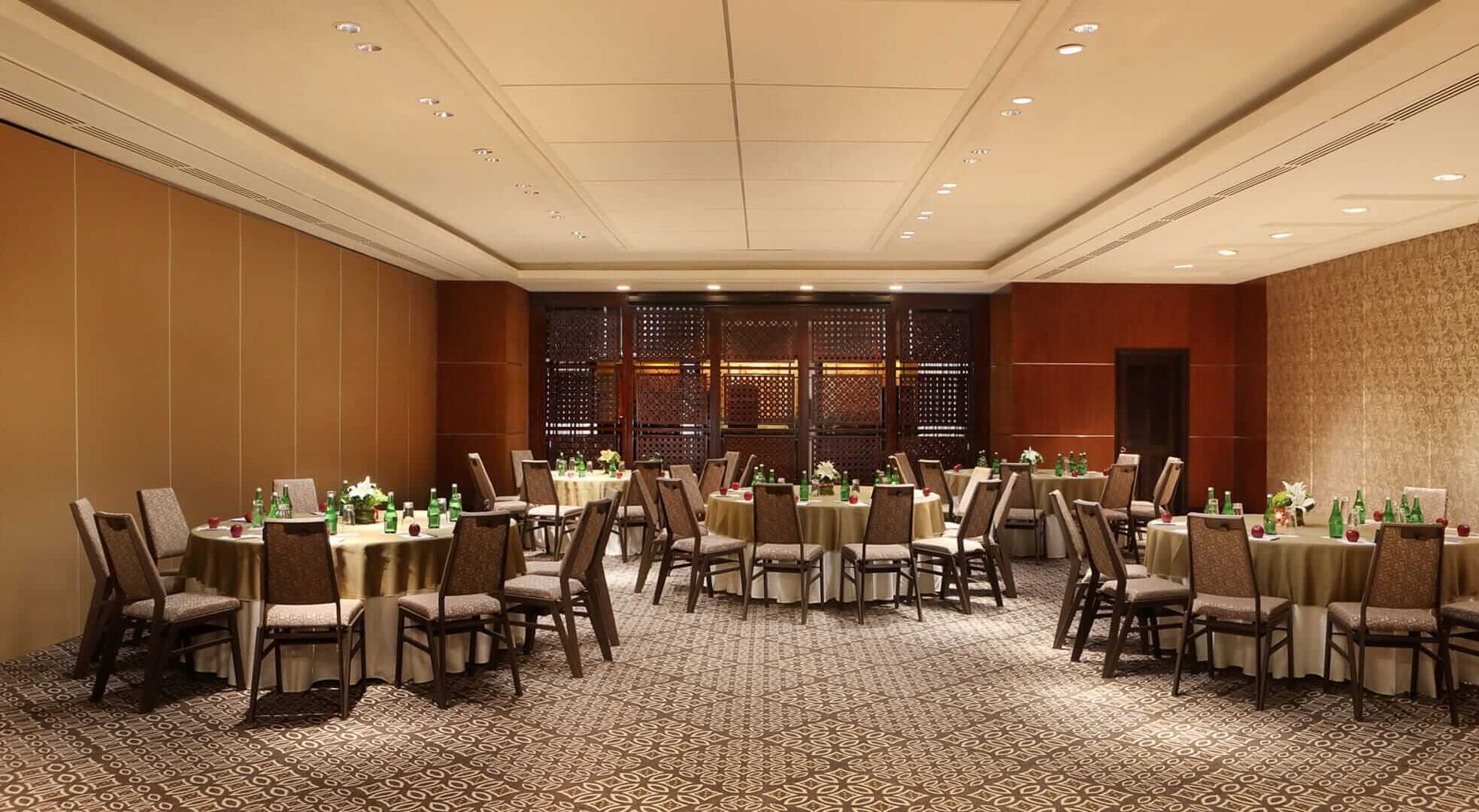

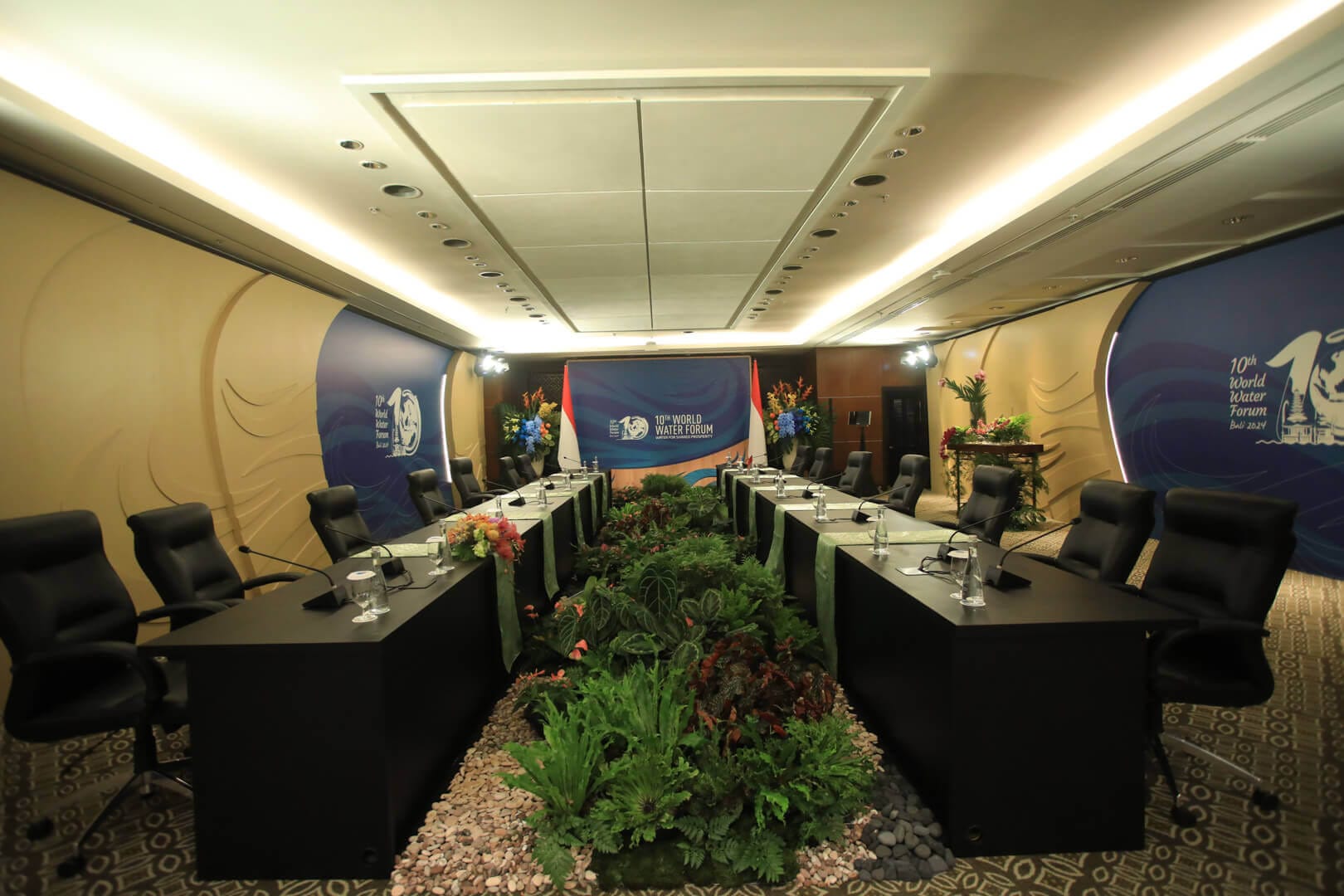
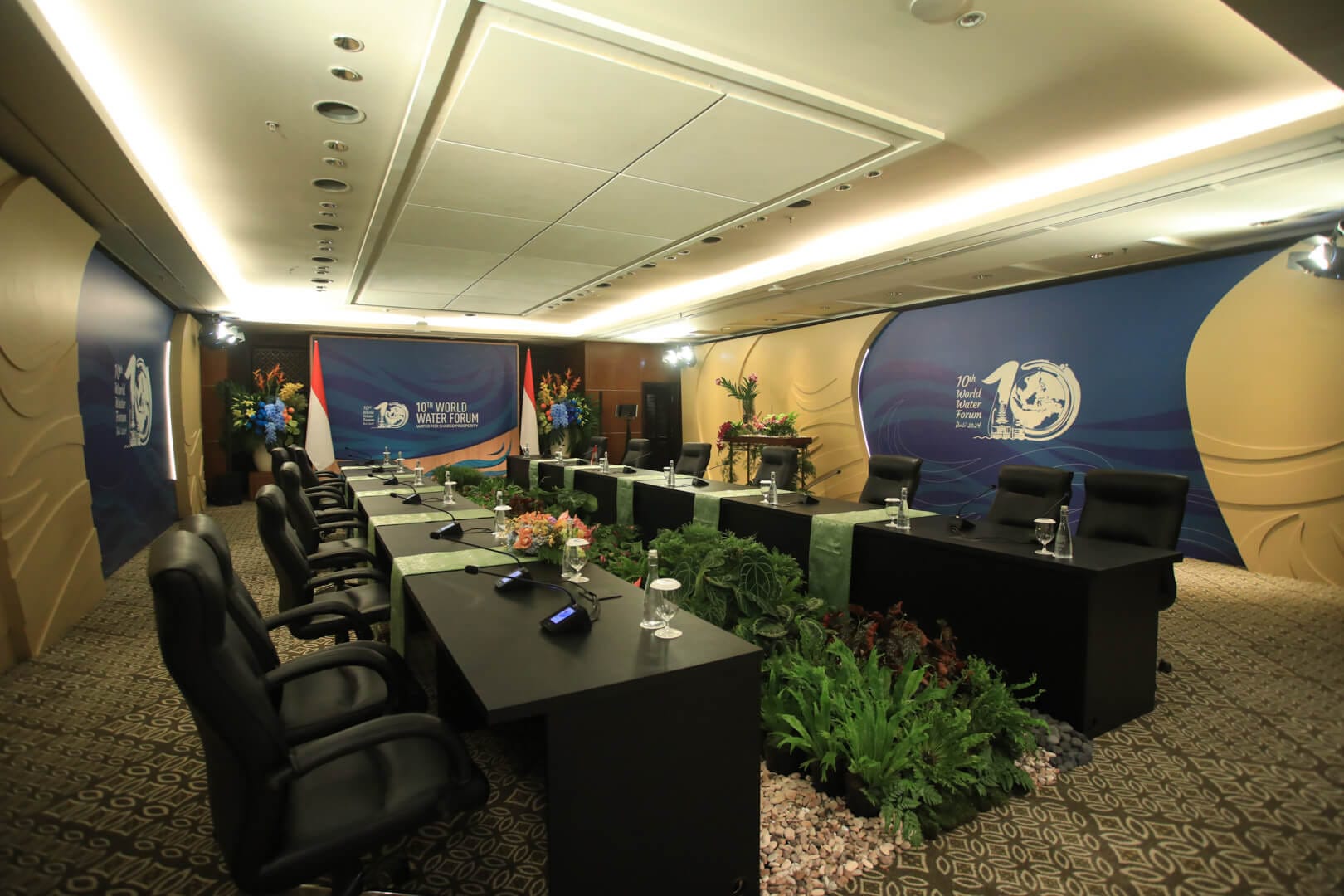
The Bougainville Room is a medium-sized, versatile venue, accommodating up to 140 people in a theater configuration. This room is suited for lectures, presentations, or corporate meetings that require a professional yet intimate space.
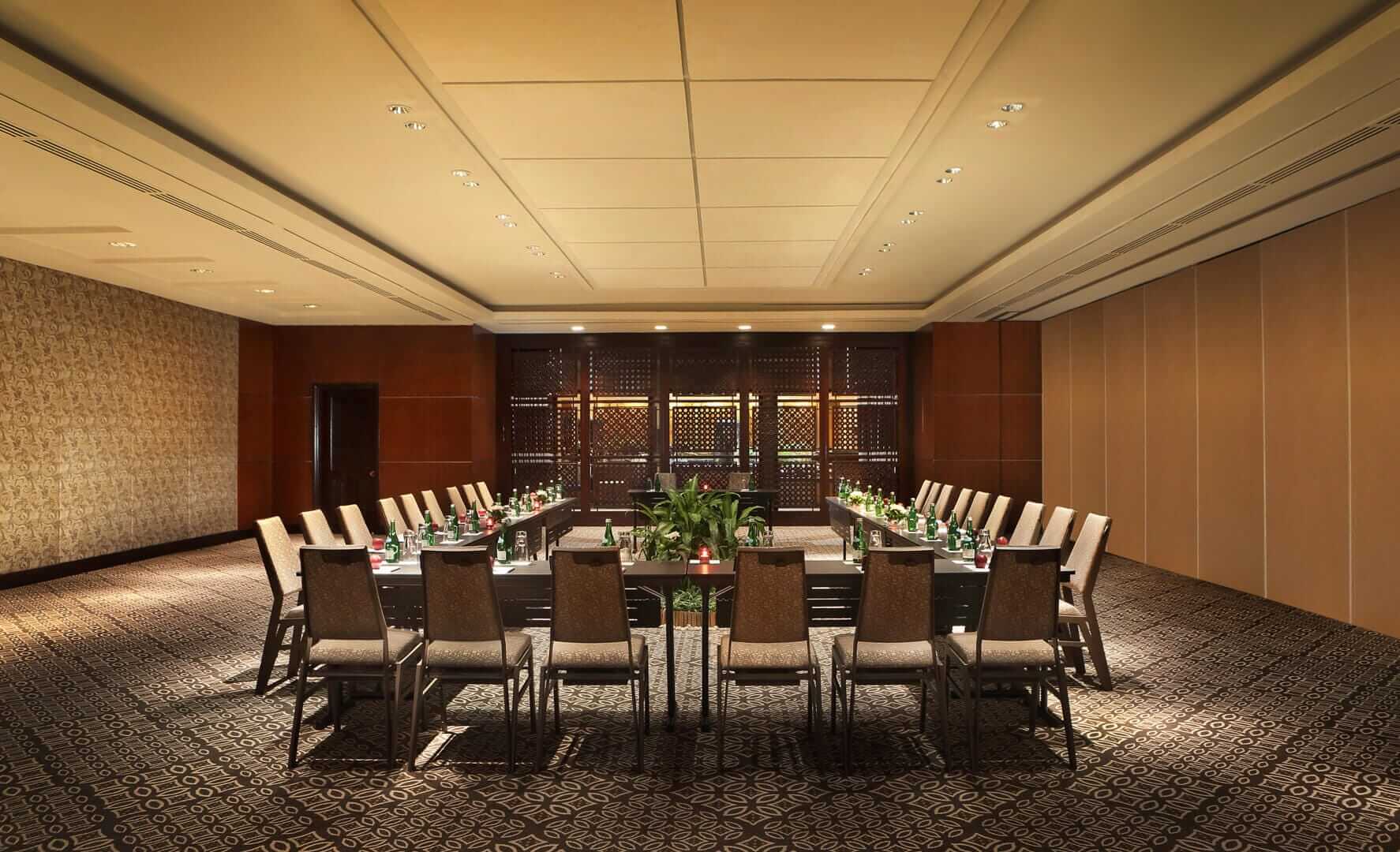
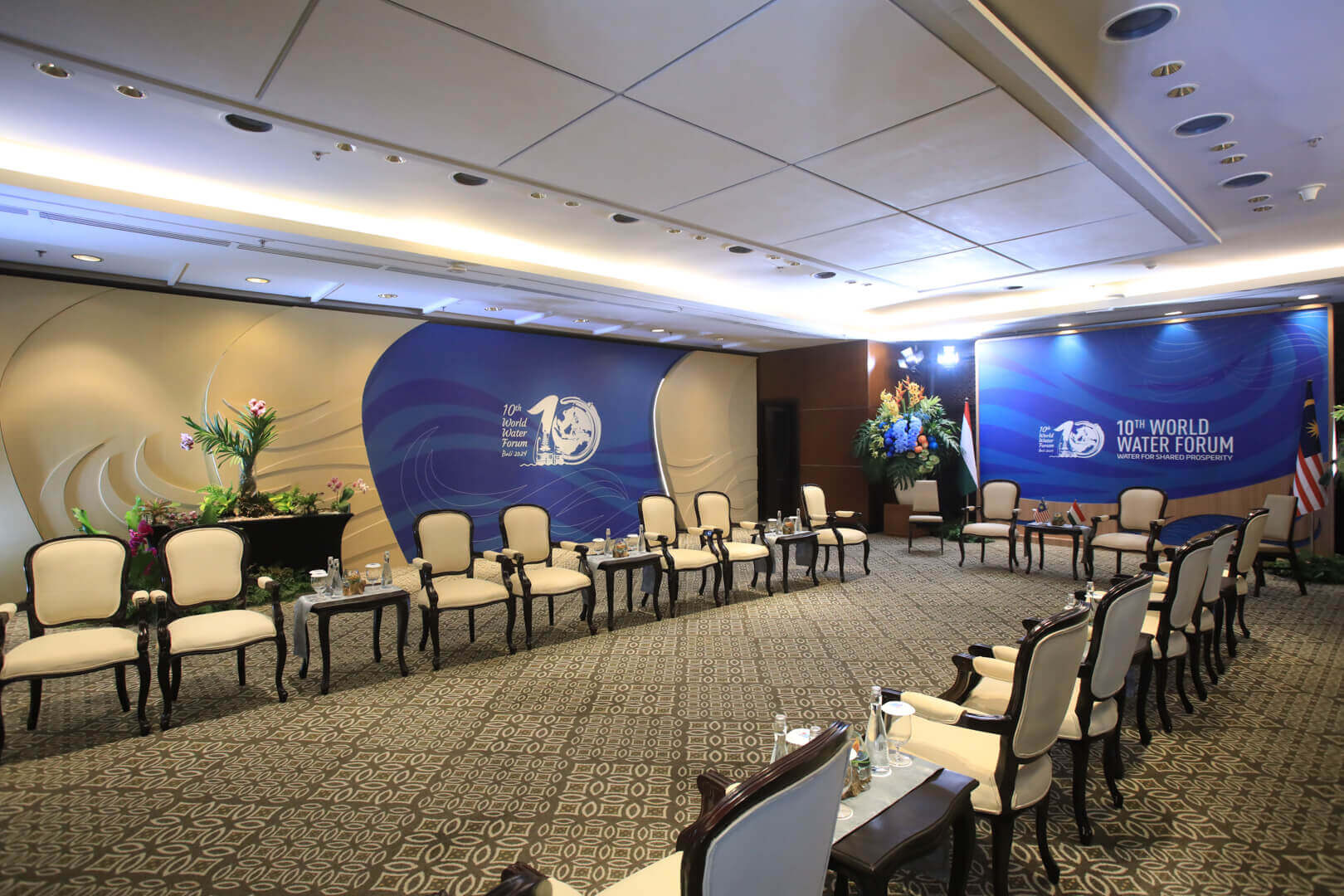
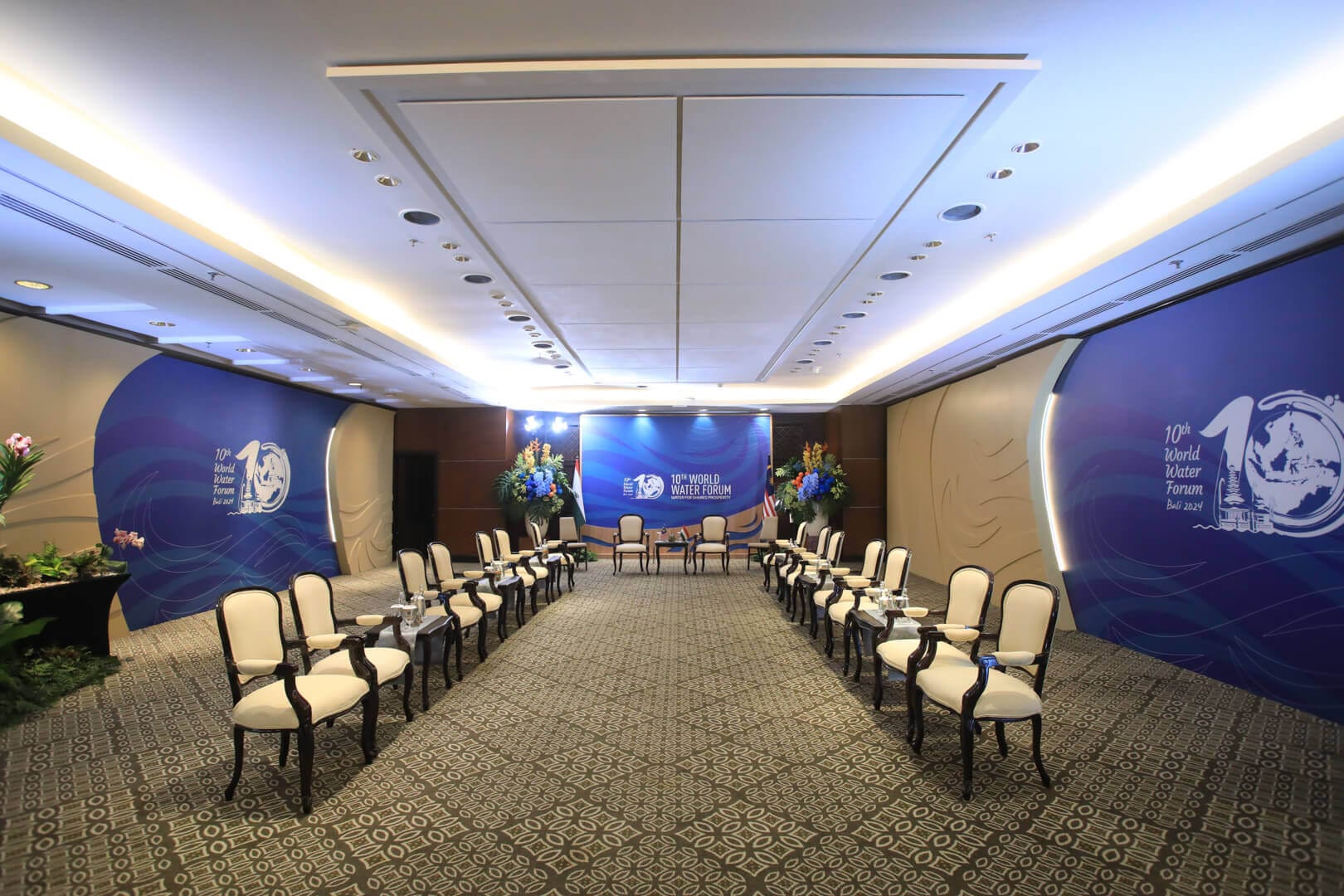
The Orchid Room, similar in size and versatility to the Bougainville Room, offers an ideal setting for mid-sized events. It comfortably accommodates up to 140 guests in a theater-style arrangement, making it perfect for presentations, seminars, or corporate meetings that seek a professional and focused atmosphere. With its adaptable layout, the Orchid Room ensures flexibility for a range of business functions.
| BOUGAINVILLE & ORCHID ROOMS | BOUGAINVILLE ROOM | ORCHID ROOM | |
|---|---|---|---|
| TOTAL SQ. METER | 374 | 187 | 187 |
| TOTAL SQ. FEET | 3920 | 1960 | 1960 |
| DIMENSIONS (M) | 22 X 17 | 11 X 17 | 11 X 17 |
| DIMENSIONS (FT) | 70 X 56 | 35 X 56 | 35 X 56 |
| CEILING (M) | 3 | 3 | 3 |
| CEILING (FT.) | 10 | 10 | 10 |
| THEATER | 320 | 140 | 140 |
| CLASSROOM | 180 | 84 | 84 |
| U-SHAPE | 63 | 33 | 33 |
| BANQUET | 180 | 80 | 80 |
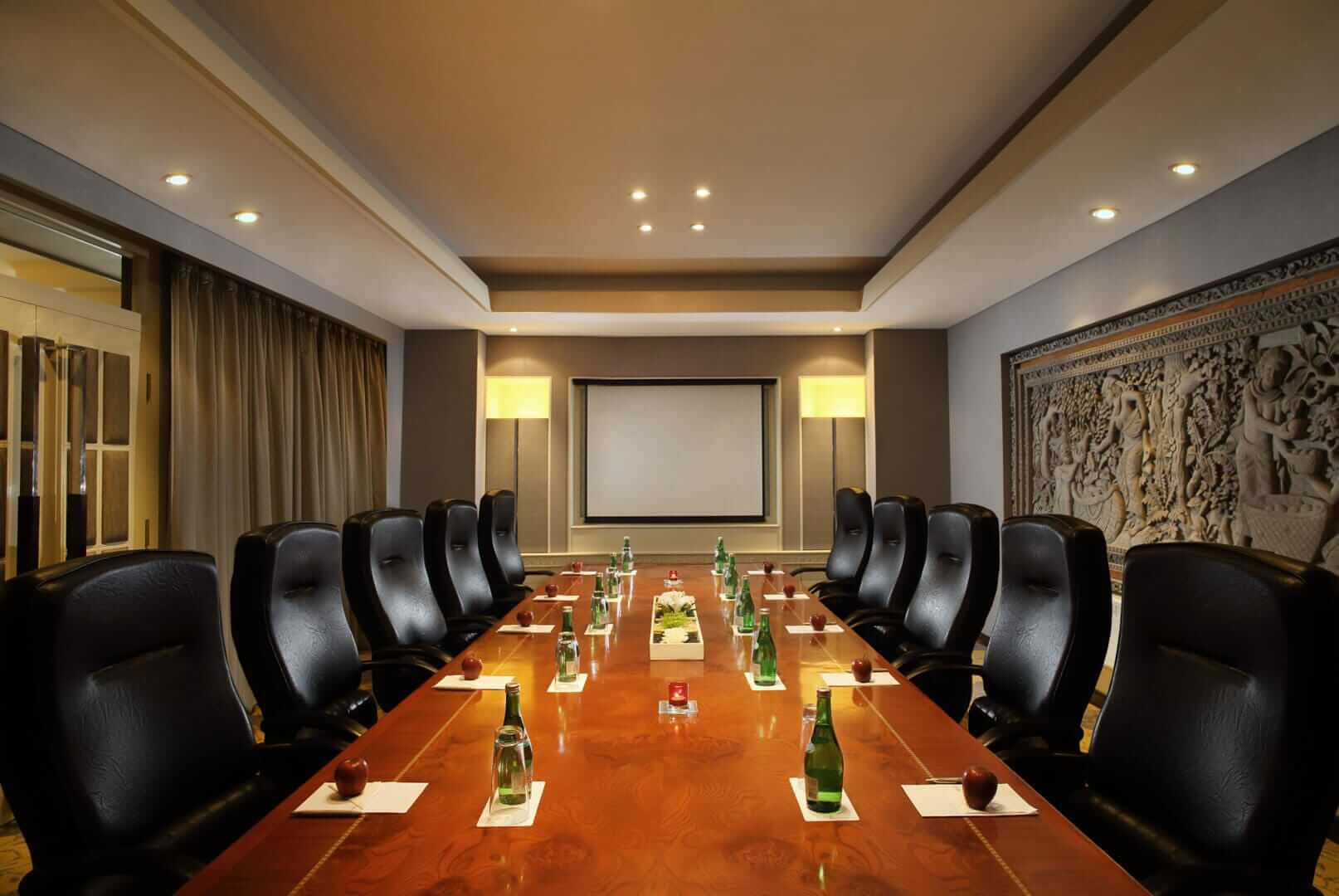
Designed for small executive meetings, the Lily Room features a boardroom layout that seats up to 12 people. It offers an ideal environment for high-level discussions, strategy meetings, or private business sessions.
| LILY ROOM | |
|---|---|
| TOTAL SQ. METER | 30 |
| TOTAL SQ. FEET | 330 |
| DIMENSIONS (M) | 4.8 X 10 |
| DIMENSIONS (FT) | 16 X 31 |
| CEILING (M) | 2.5 |
| CEILING (FT.) | 8 |
| THEATER | 10 (BOARDROOM SETUP) |
| CLASSROOM | |
| U-SHAPE | |
| BANQUET |
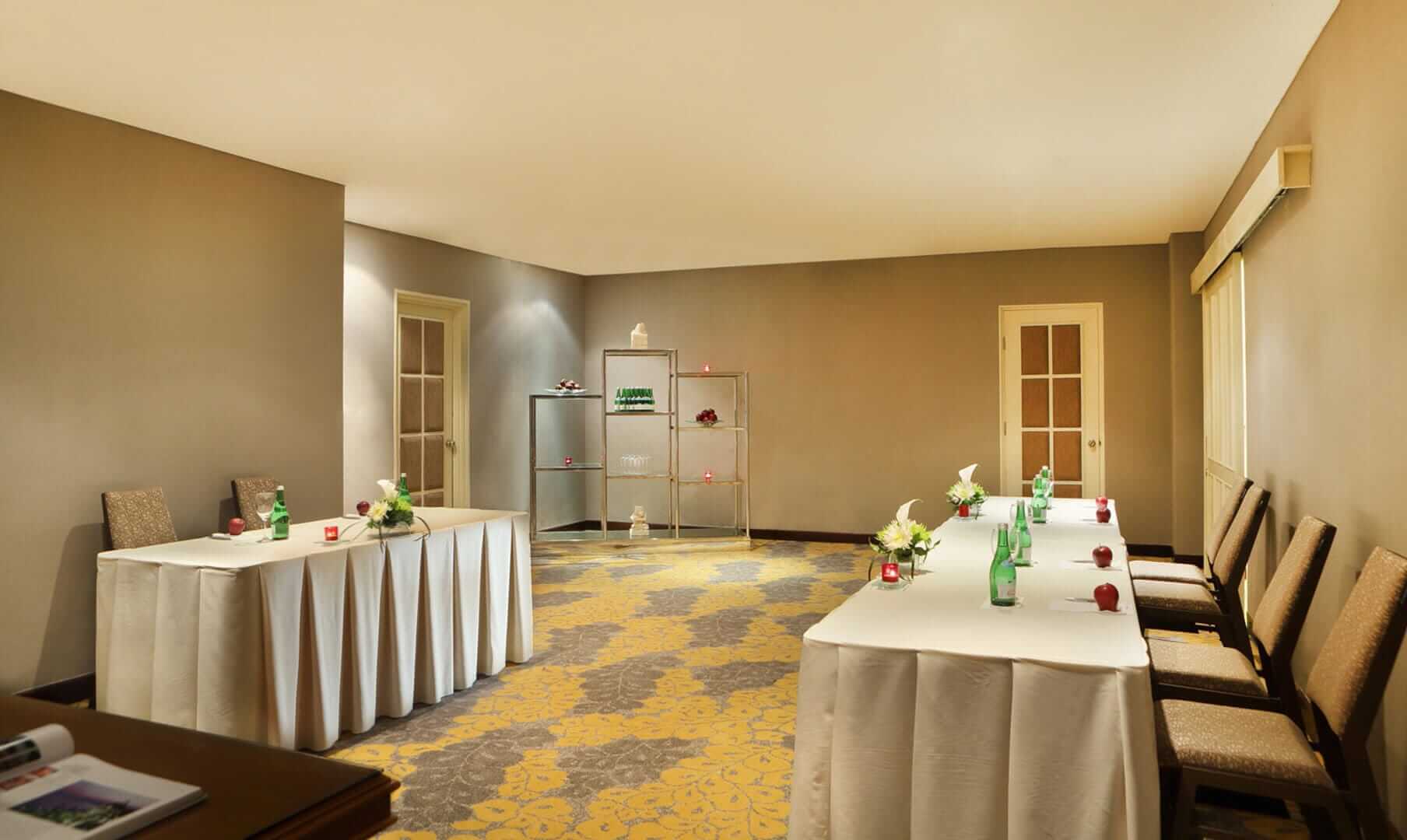
The Dahlia Room is excellent for small conferences, workshops, or training sessions. It can accommodate up to 40 people in a theater-style setup, providing a professional yet cozy setting for educational or business-focused events.
| DAHLIA ROOM | |
|---|---|
| TOTAL SQ. METER | 45 |
| TOTAL SQ. FEET | 480 |
| DIMENSIONS (M) | 9 X 5 |
| DIMENSIONS (FT) | 30 X 16 |
| CEILING (M) | 2.7 |
| CEILING (FT.) | 9 |
| THEATER | 40 |
| CLASSROOM | 18 |
| U-SHAPE | 18 |
| BANQUET | 20 |


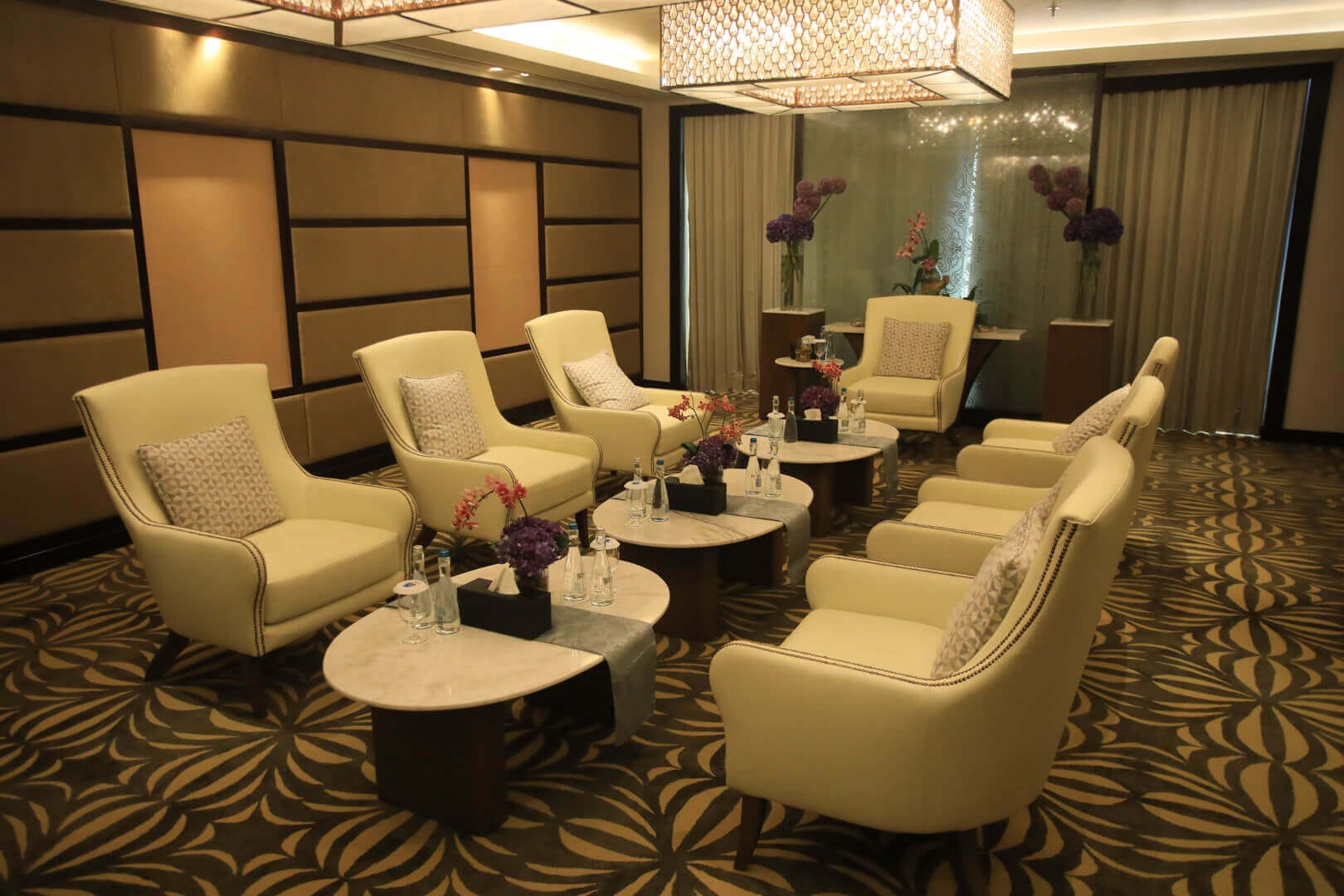
This exclusive VIP lounge is perfect for hosting small, private meetings or elite gatherings. With a comfortable seating arrangement for up to 14 guests, the Bali Room offers a luxurious setting for high-profile discussions or events.
| BALI ROOM (VIP LOUNGE) | |
|---|---|
| TOTAL SQ. METER | 80 |
| TOTAL SQ. FEET | 792 |
| DIMENSIONS (M) | 7.7 X 9.6 |
| DIMENSIONS (FT) | 24 X 33 |
| CEILING (M) | 3 |
| CEILING (FT.) | 10 |
| THEATER | 54 |
| CLASSROOM | 33 |
| U-SHAPE | 15 |
| BANQUET | 30 |


The BICC Exhibition Hall covers 1,363 square meters, providing a versatile area for trade shows, product launches, and large-scale events. The hall’s open layout offers flexibility for custom booth arrangements, ensuring an optimal flow for exhibitors and visitors alike. With modern facilities and ample space, the Exhibition Hall is designed to accommodate diverse event needs.
| EXHIBITION HALL | |
|---|---|
| TOTAL SQ. METER | 1363 |
| TOTAL SQ. FEET | 14382 |
| DIMENSIONS (M) | 47 X 29 |
| DIMENSIONS (FT) | 153 x 94 |
| CEILING (M) | 4 |
| CEILING (FT.) | 13 |
| THEATER | 836 |
| CLASSROOM | 492 |
| U-SHAPE | NA |
| BANQUET | 630 |
The Nusa Dua Room is a compact yet functional boardroom that can seat up to 12 people. It is ideal for private meetings, executive discussions, or intimate business gatherings.
| NUSA DUA ROOM | |
|---|---|
| TOTAL SQ. METER | 47 |
| TOTAL SQ. FEET | 506 |
| DIMENSIONS (M) | 6.8 X 7 |
| DIMENSIONS (FT) | 22 X 23 |
| CEILING (M) | 2.7 |
| CEILING (FT.) | 9 |
| THEATER | 50 |
| CLASSROOM | 27 |
| U-SHAPE | 15 |
| BANQUET | 30 |
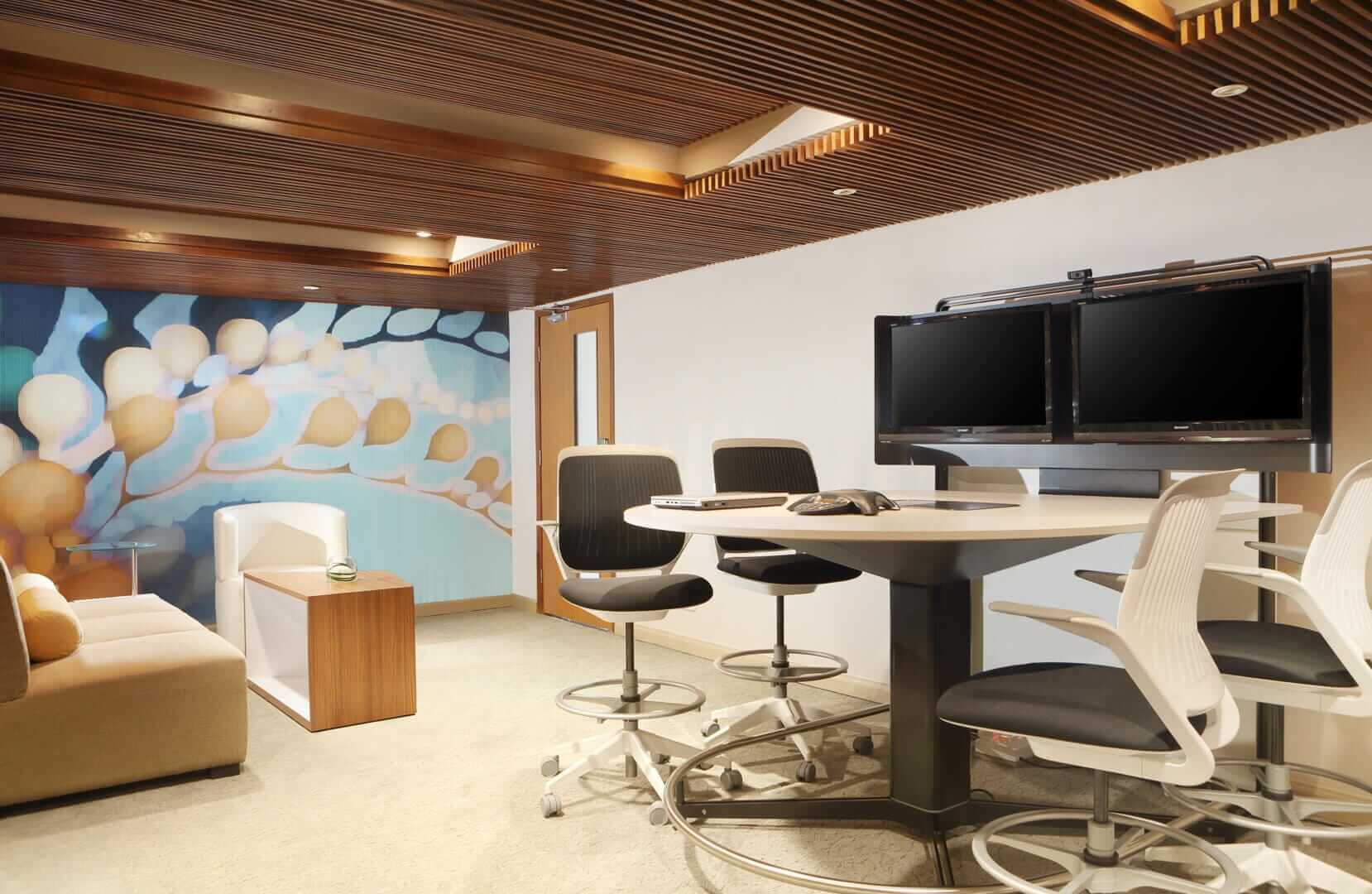
A cozy and compact room designed for small presentations or discussions, the Tangent Room accommodates up to 4 people in a theater setup, making it perfect for focused and intimate sessions.
| TANGENT | |
|---|---|
| TOTAL SQ. METER | 36 |
| TOTAL SQ. FEET | 392 |
| DIMENSIONS (M) | 8.5 X 4.3 |
| DIMENSIONS (FT) | 28 X 14 |
| CEILING (M) | 3 |
| CEILING (FT.) | 10 |
| THEATER | 4 SEATERS |
| CLASSROOM | |
| U-SHAPE | |
| BANQUET |
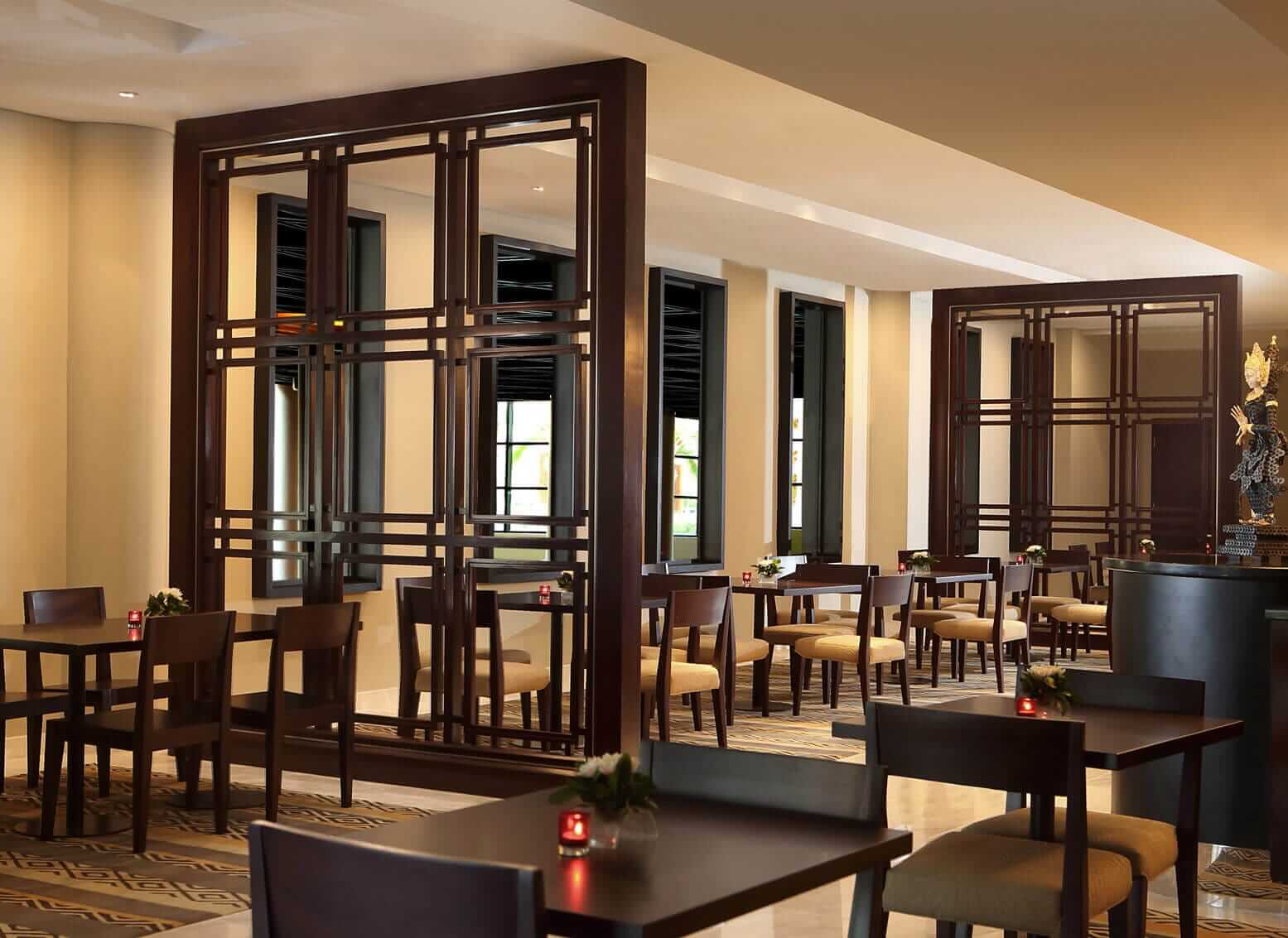
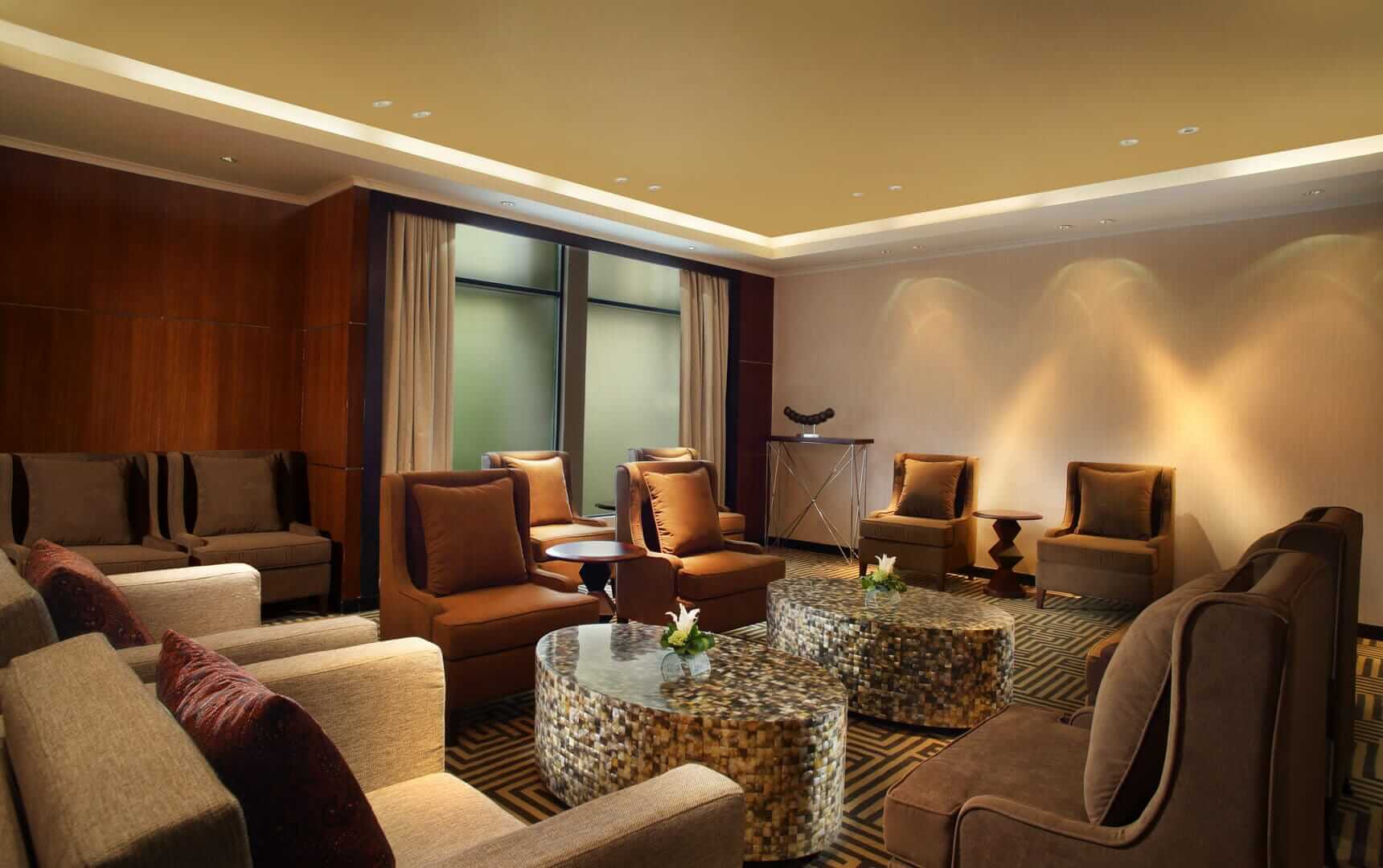
A relaxed lounge setting with space for up to 62 guests, The Café is perfect for informal networking events, social gatherings, or casual business discussions in a more laid-back atmosphere.
| THE CAFÉ | |
|---|---|
| TOTAL SQ. METER | 245 |
| TOTAL SQ. FEET | 2758 |
| DIMENSIONS (M) | 25 X 9.8 |
| DIMENSIONS (FT) | 84 X 33 |
| CEILING (M) | 3 |
| CEILING (FT.) | 10 |
| THEATER | 62 (LOUNGE SETUP) |
| CLASSROOM | |
| U-SHAPE | |
| BANQUET |
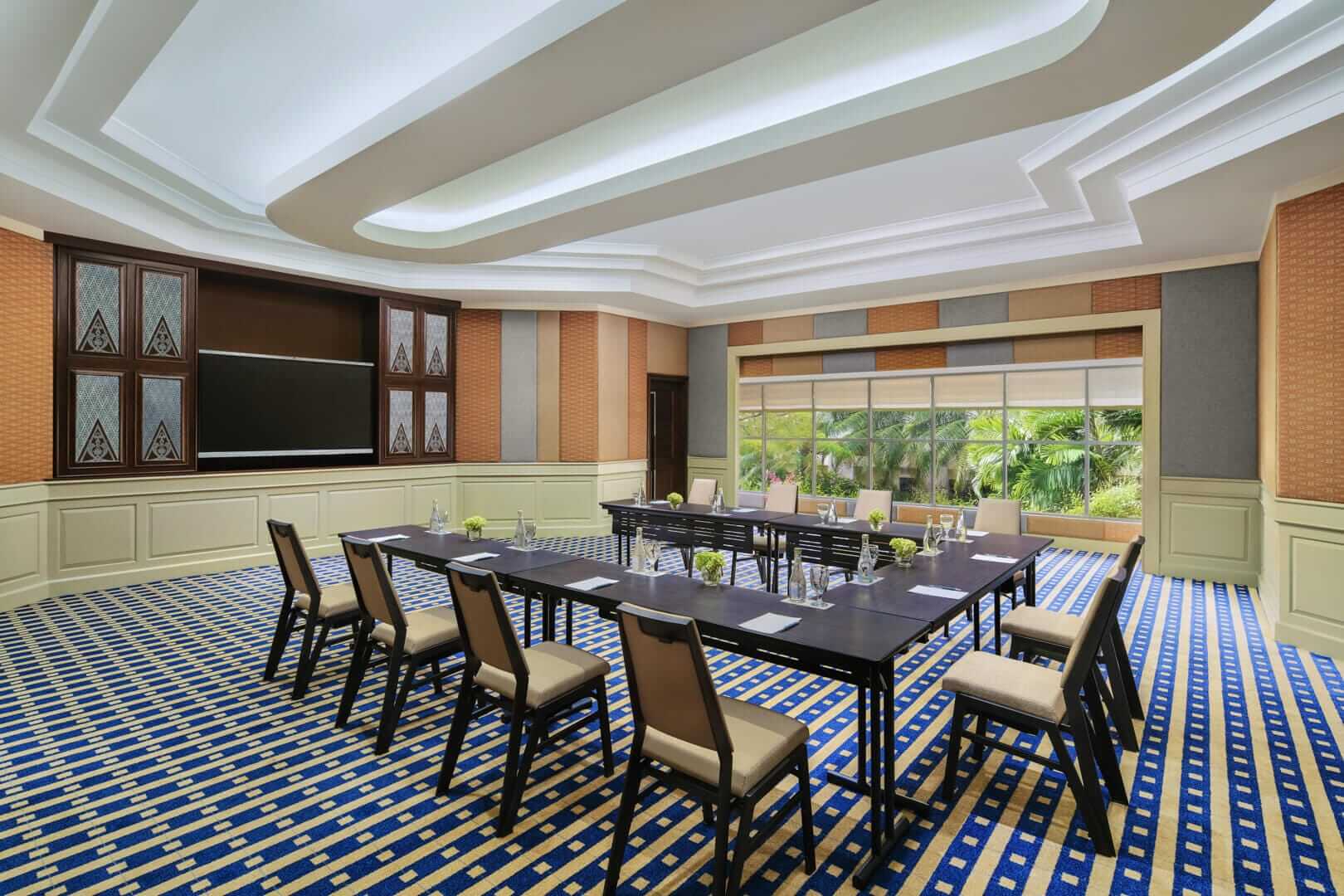
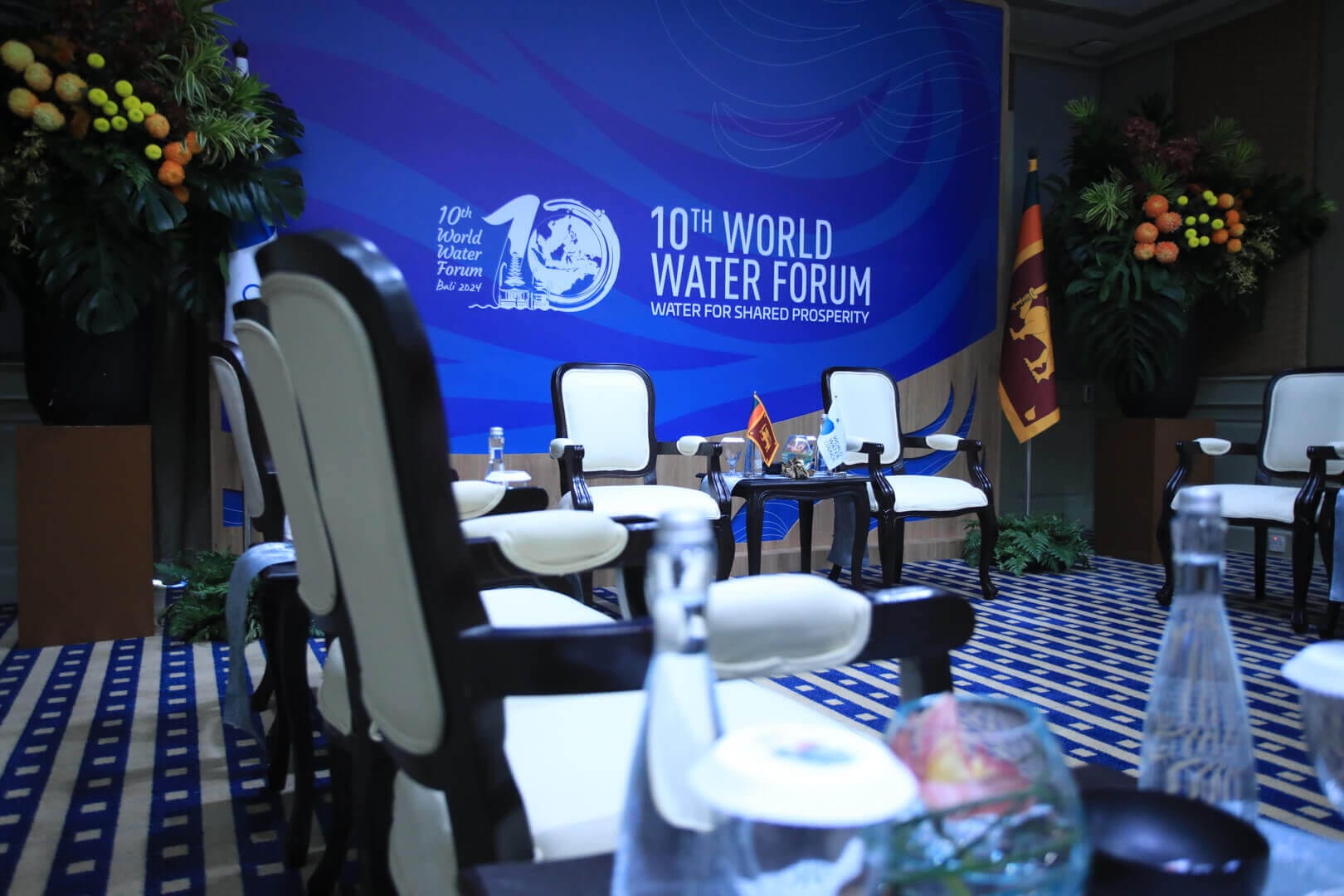
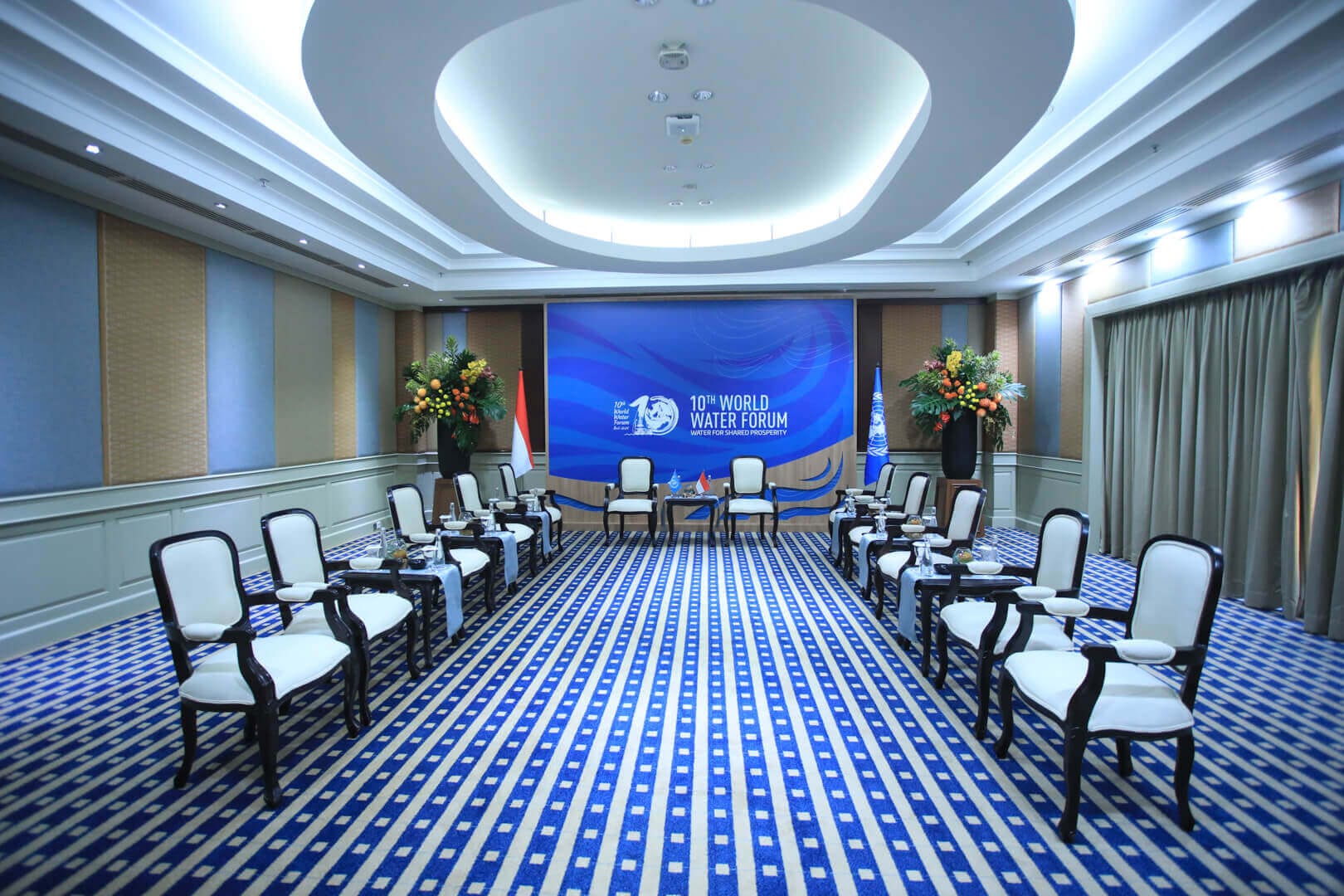
The Surabaya Room is suitable for small to medium-sized events such as training sessions, workshops, or lectures. It can host up to 70 people in a theater-style setup, offering a flexible space for a variety of functions.
| SURABAYA ROOM | |
|---|---|
| TOTAL SQ. METER | 110 |
| TOTAL SQ. FEET | 1122 |
| DIMENSIONS (M) | 10 X 11 |
| DIMENSIONS (FT) | 33 X 34 |
| CEILING (M) | 4 |
| CEILING (FT.) | 13 |
| THEATER | 70 |
| CLASSROOM | 36 |
| U-SHAPE | 24 |
| BANQUET | 40 |
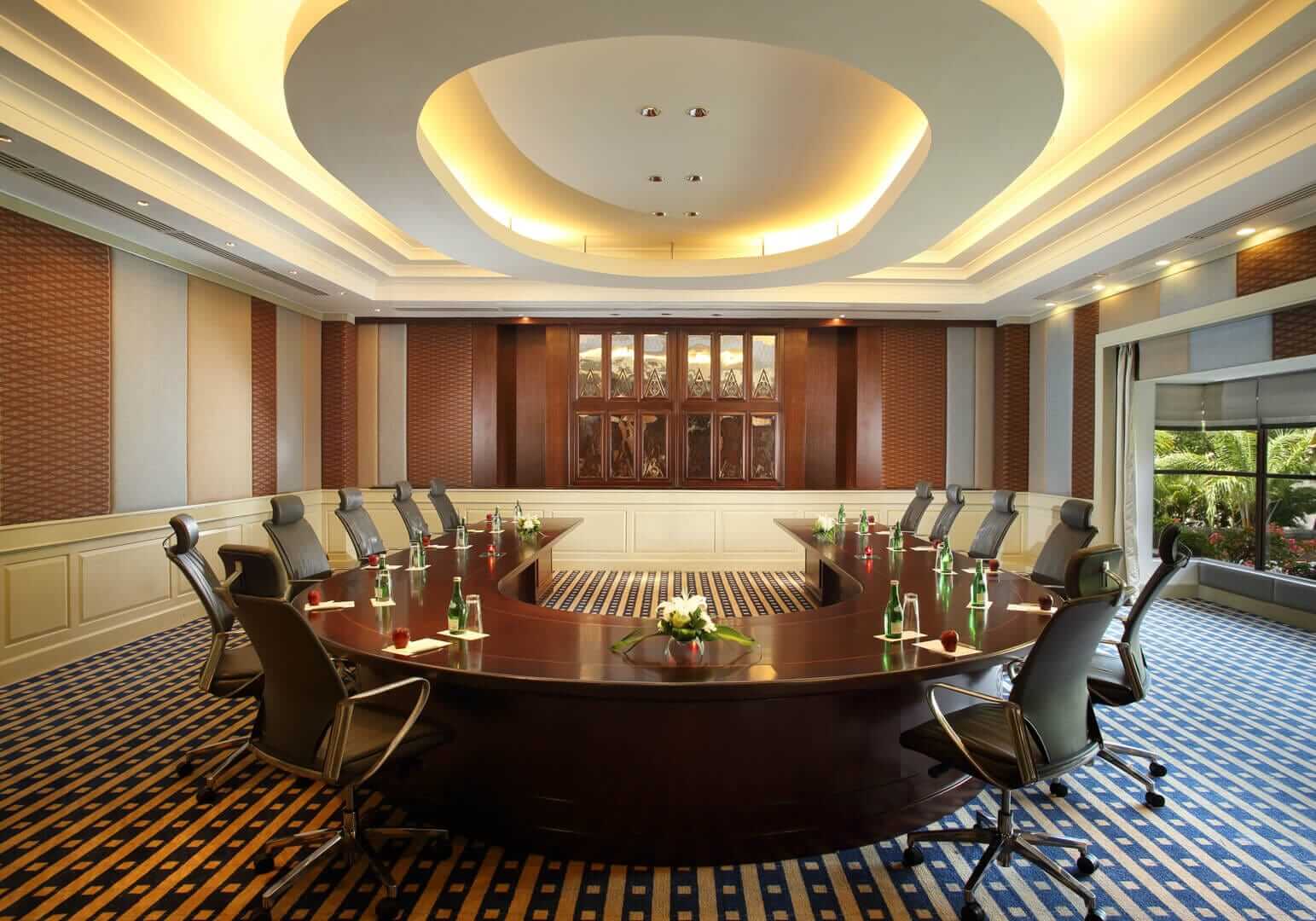
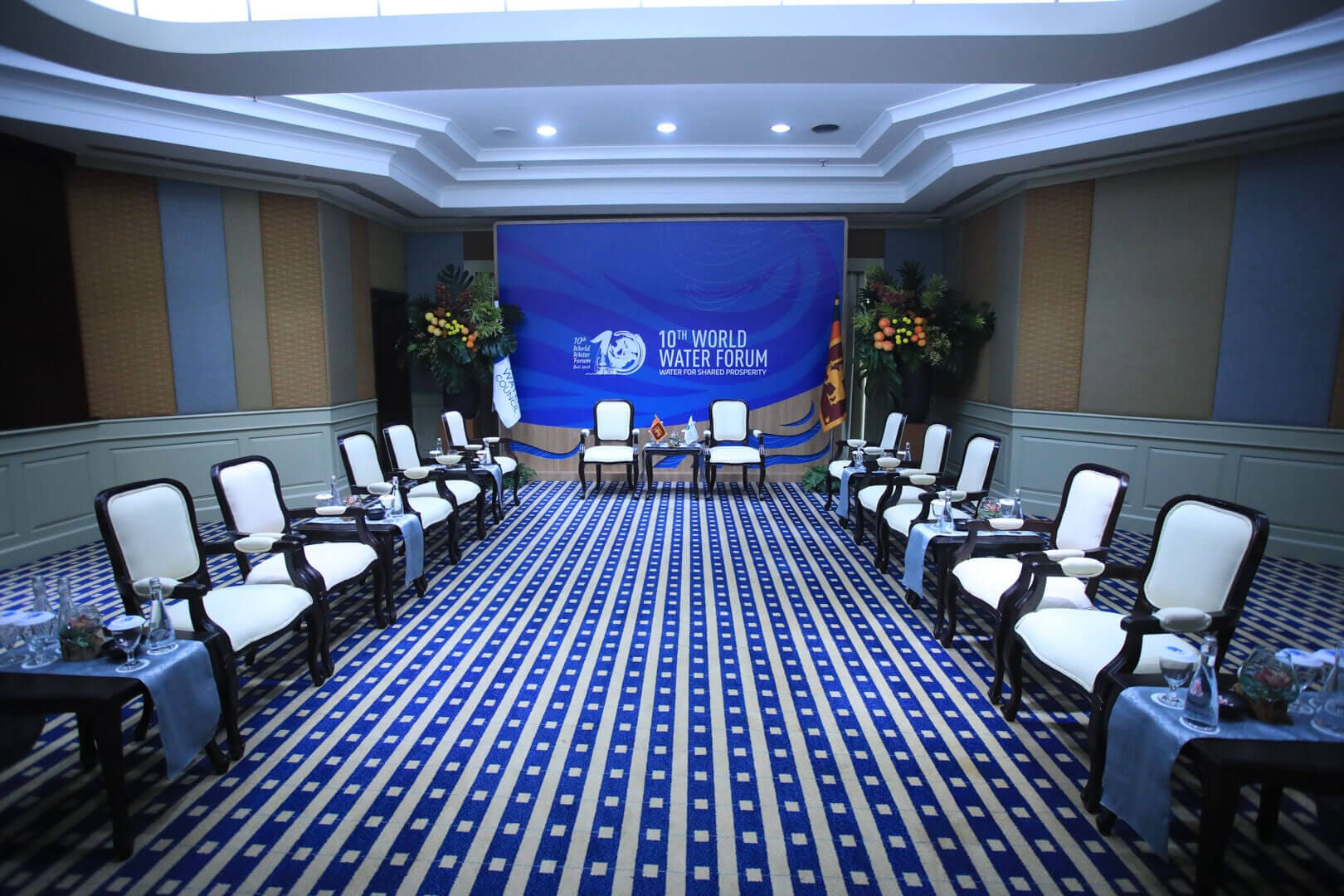
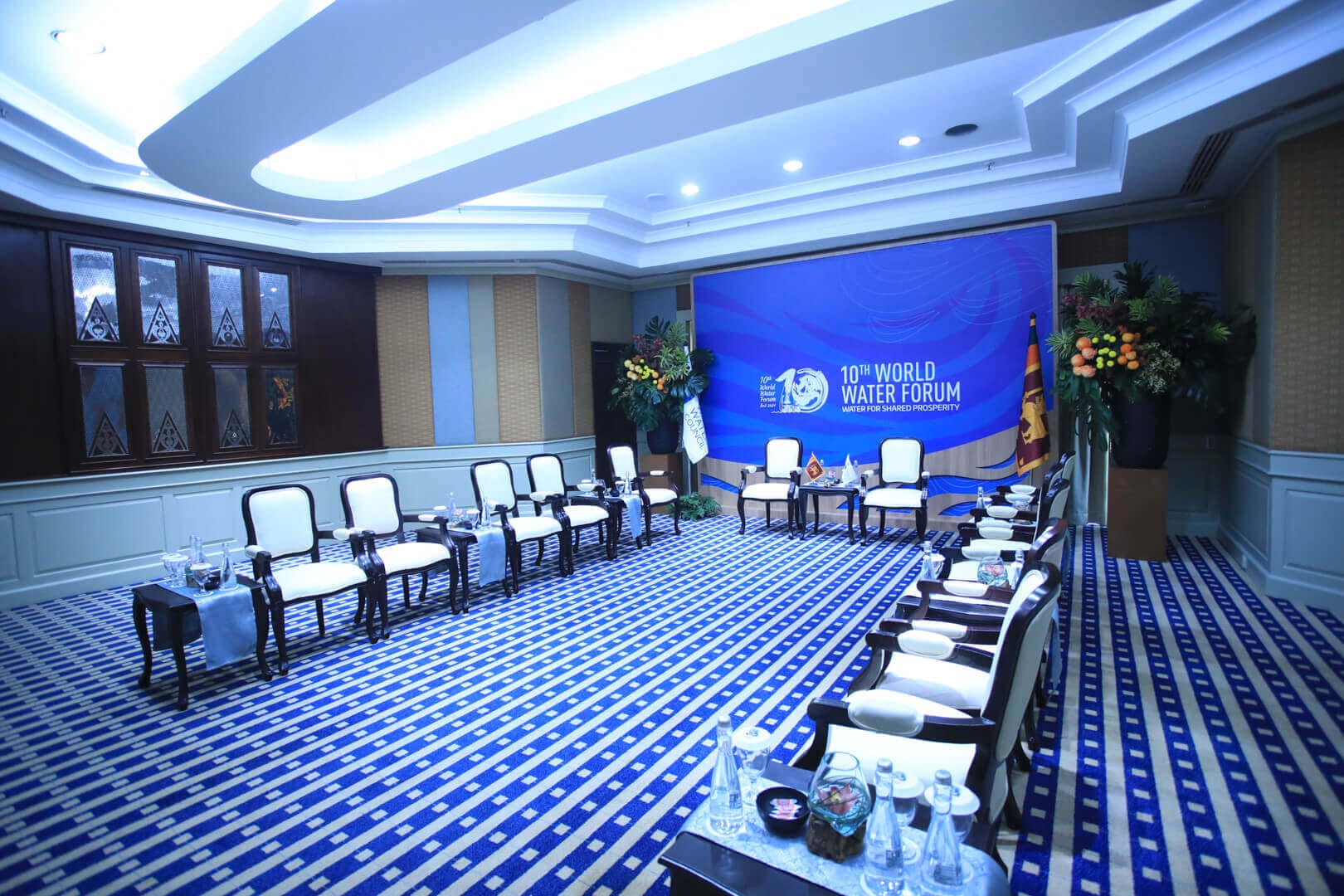
A flexible event space with seating for up to 72 guests in a theater arrangement. The Bandung Room is ideal for conferences, presentations, or seminars that require a comfortable and professional environment.
| BANDUNG ROOM | |
|---|---|
| TOTAL SQ. METER | 90 |
| TOTAL SQ. FEET | 899 |
| DIMENSIONS (M) | 10 X 9 |
| DIMENSIONS (FT) | 31 X 29 |
| CEILING (M) | 4 |
| CEILING (FT.) | 13 |
| THEATER | 72 |
| CLASSROOM | 42 |
| U-SHAPE | 24 |
| BANQUET | 50 |
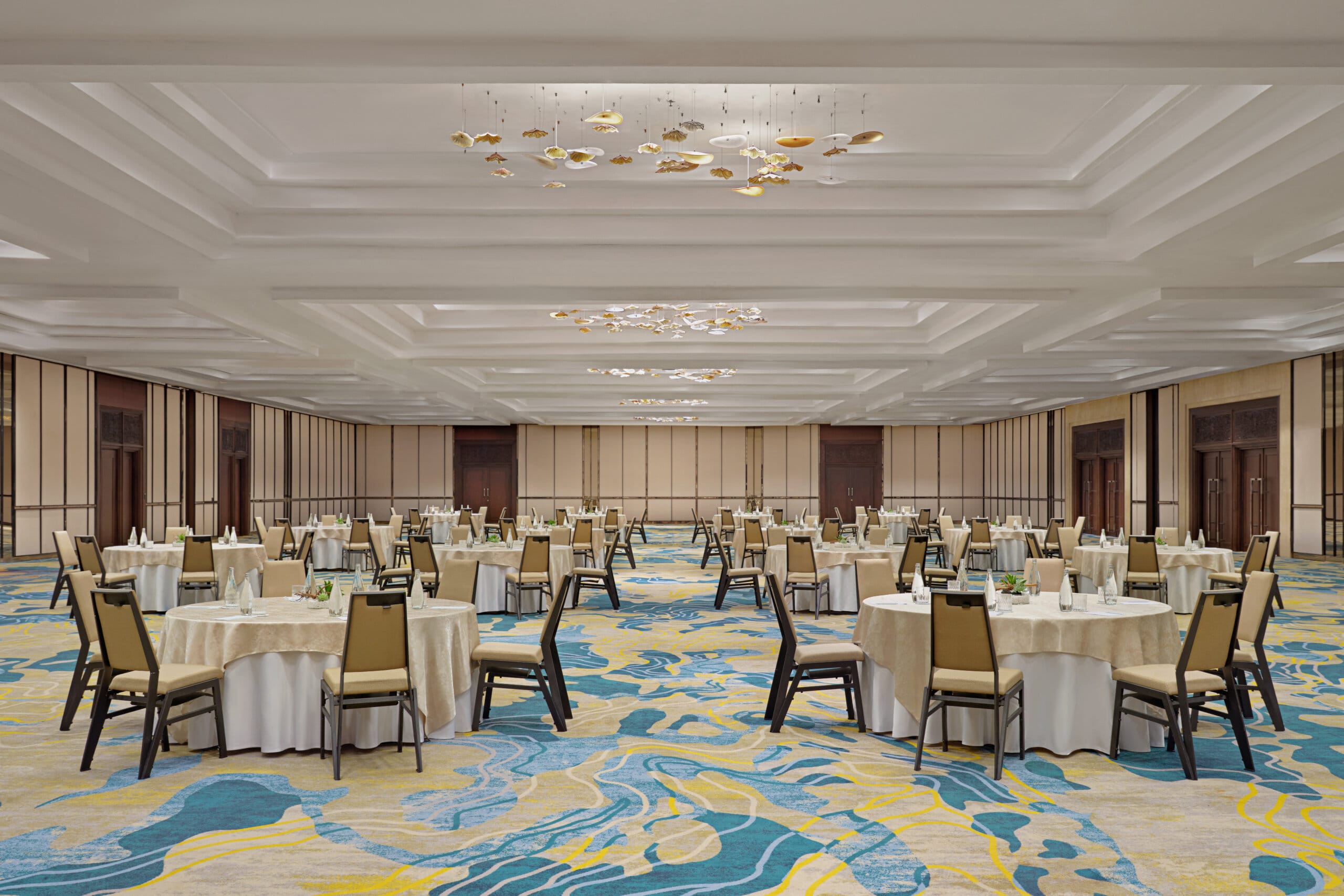
This large and spacious venue is designed to host grand events, conferences, or seminars, with a theater-style capacity of up to 1,520 guests. It is the perfect space for high-impact corporate or social functions.
| NUSANTARA ROOM | |
|---|---|
| TOTAL SQ. METER | 1404 |
| TOTAL SQ. FEET | 15045 |
| DIMENSIONS (M) | 54 X 26 |
| DIMENSIONS (FT) | 3177 X 85 |
| CEILING (M) | 5 |
| CEILING (FT.) | 16 |
| THEATER | 1520 |
| CLASSROOM | 864 |
| U-SHAPE | 150 |
| BANQUET | 790 |
| NUSANTARA 1 | NUSANTARA 2 | NUSANTARA 3 | |
|---|---|---|---|
| TOTAL SQ. METER | 468 | 468 | 468 |
| TOTAL SQ. FEET | 5015 | 5015 | 5015 |
| DIMENSIONS (M) | 18 X 26 | 18 X 26 | 18 X 26 |
| DIMENSIONS (FT) | 59 X 85 | 59 X 85 | 59 X 85 |
| CEILING (M) | 5 | 5 | 5 |
| CEILING (FT.) | 16 | 16 | 16 |
| THEATER | 480 | 480 | 480 |
| CLASSROOM | 273 | 273 | 273 |
| U-SHAPE | 63 | 63 | 63 |
| BANQUET | 280 | 280 | 280 |
| NUSANTARA 1 & 2 | NUSANTARA 2 & 3 | |
|---|---|---|
| TOTAL SQ. METER | 936 | 936 |
| TOTAL SQ. FEET | 10030 | 10030 |
| DIMENSIONS (M) | 36 X 26 | 36 X 26 |
| DIMENSIONS (FT) | 118 X 85 | 118 X 85 |
| CEILING (M) | 5 | 5 |
| CEILING (FT.) | 16 | 16 |
| THEATER | 960 | 960 |
| CLASSROOM | 540 | 540 |
| U-SHAPE | 105 | 105 |
| BANQUET | 560 | 560 |
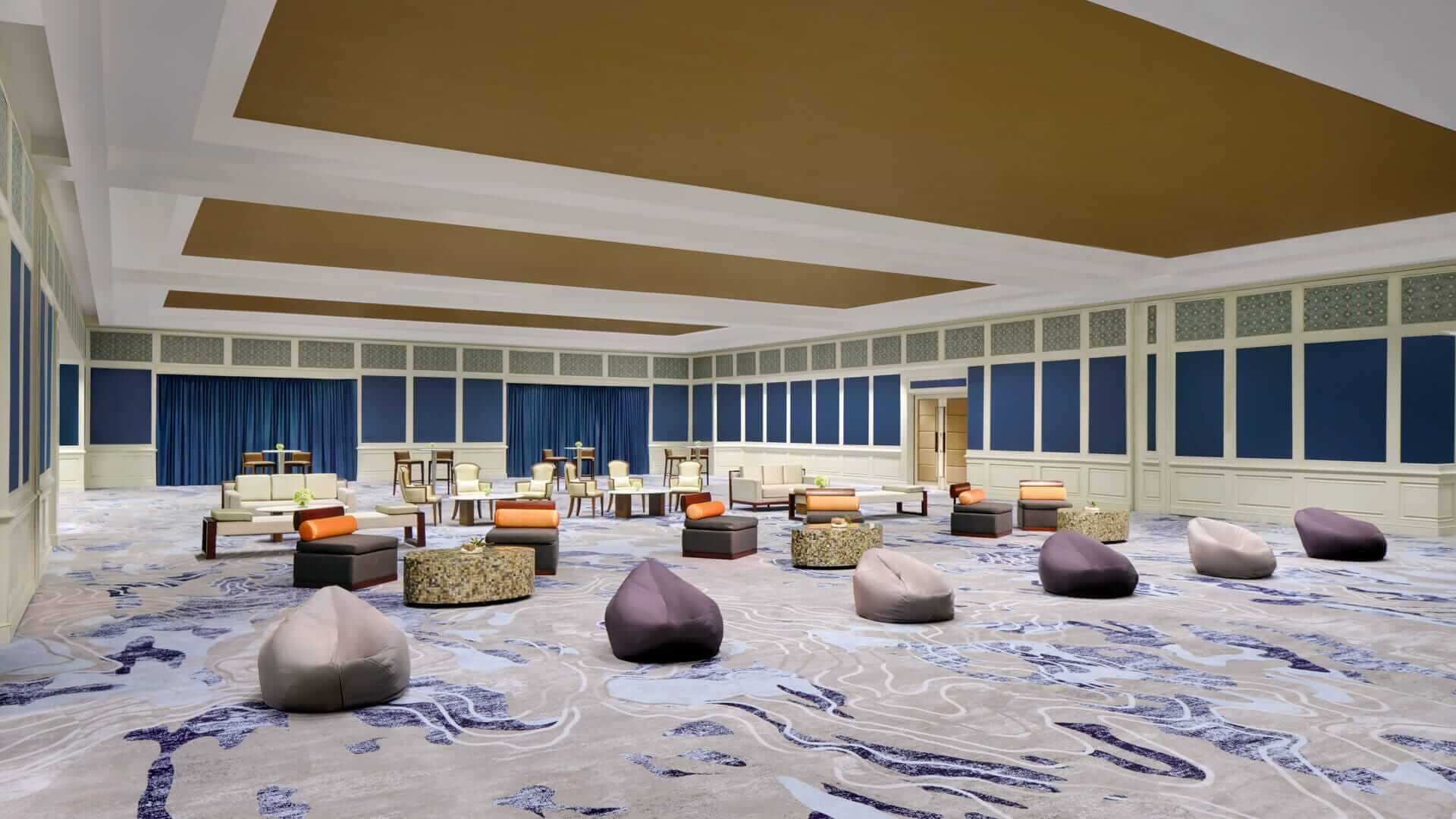
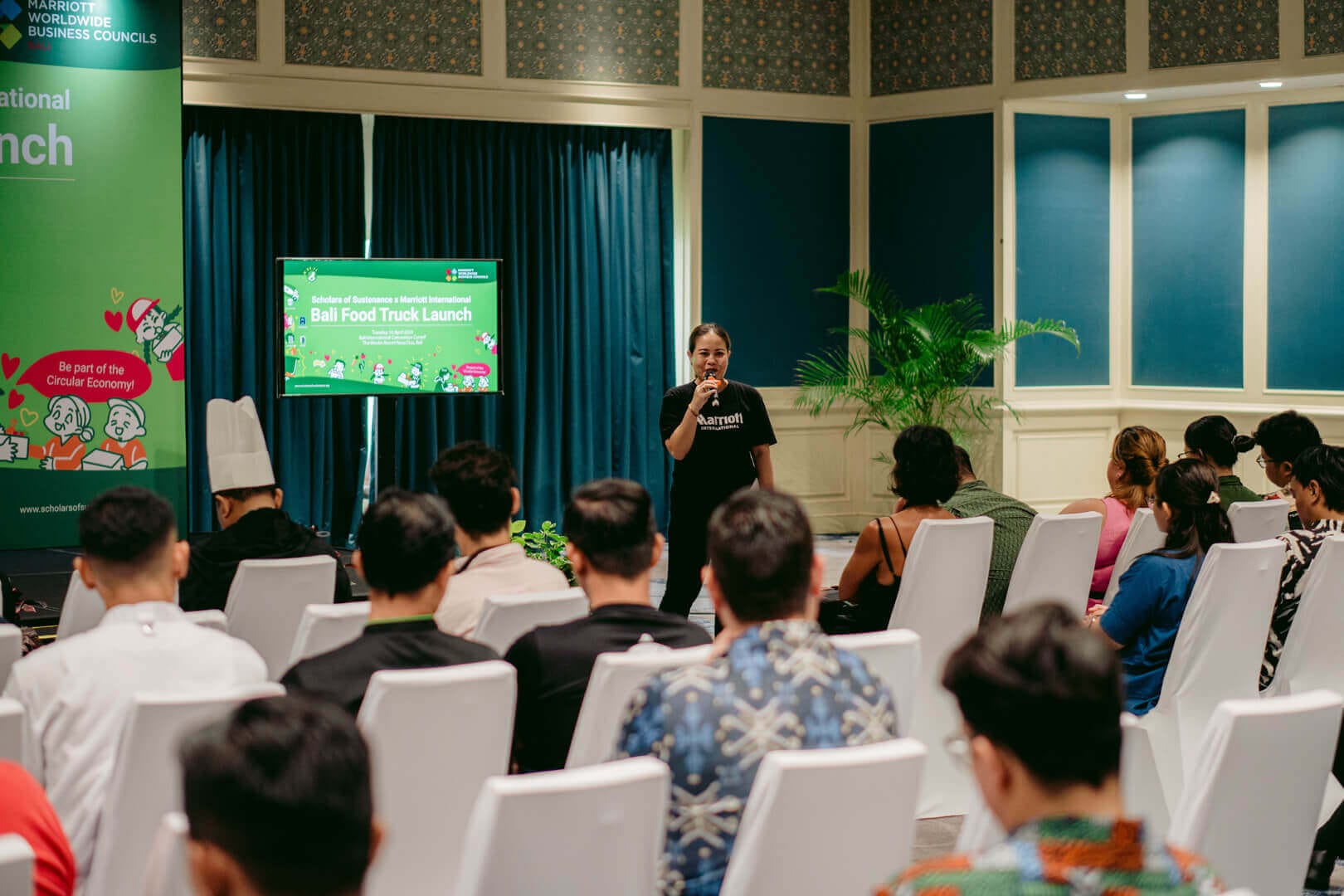
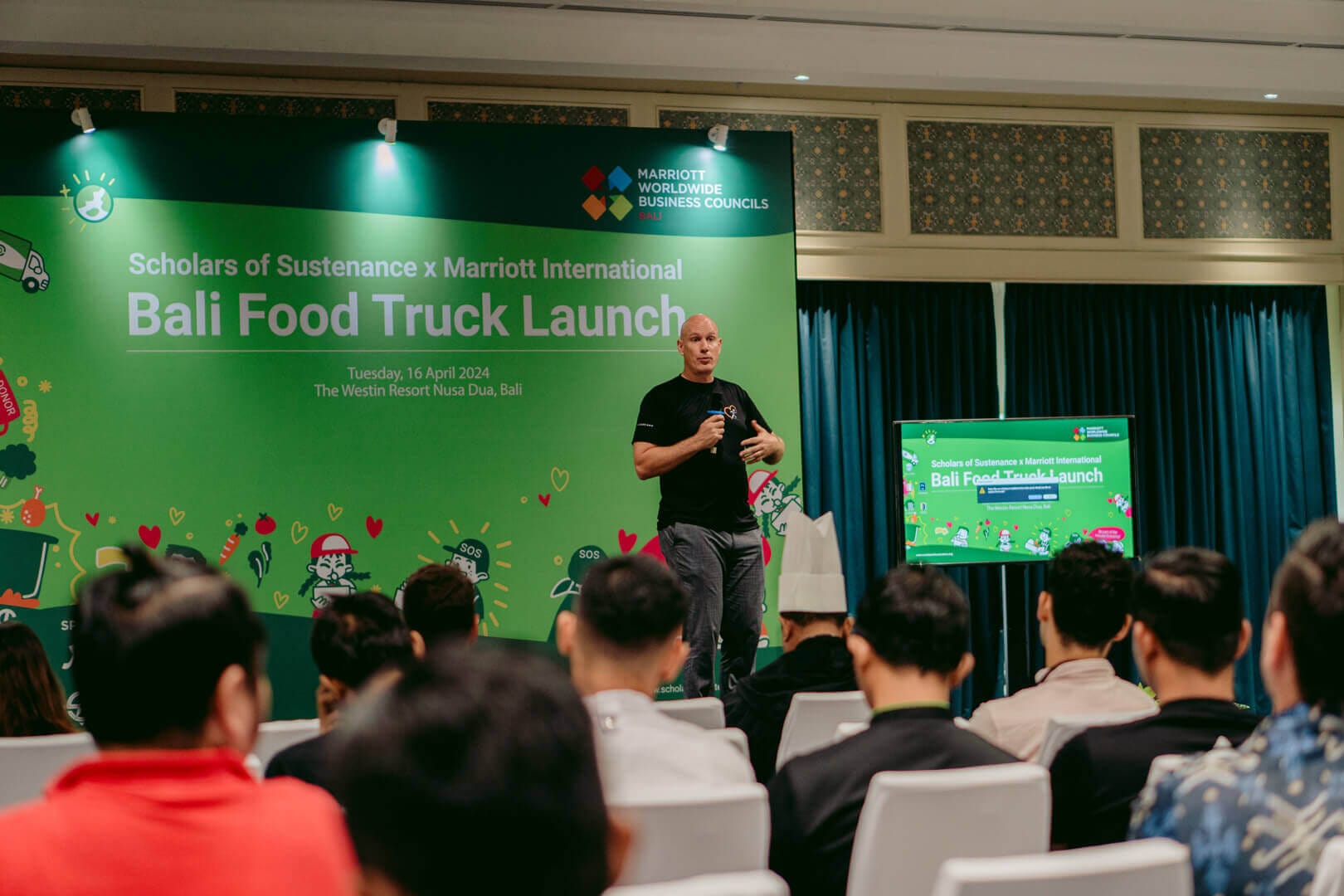
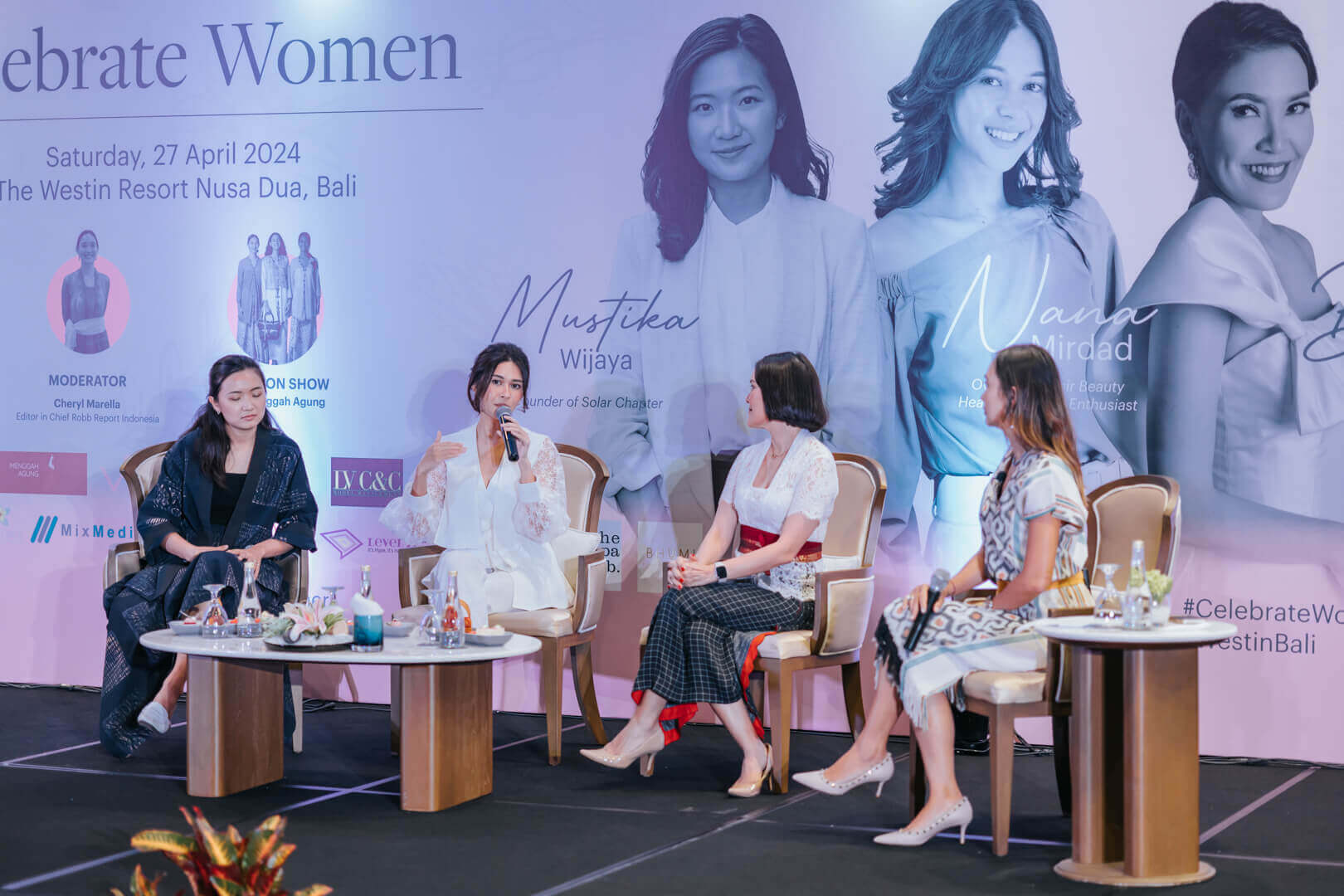
The Jakarta Room offers a grand space for major conferences, conventions, or large-scale seminars, accommodating up to 624 people in a theater setup. This room is ideal for events that demand a professional, expansive environment.
A spacious area within the Jakarta Room, perfect for large presentations or conferences. With a theater-style seating capacity of 312, this space is suitable for corporate events or educational seminars.
This mid-sized room offers seating for up to 208 guests in a theater configuration, making it a great choice for smaller conferences, presentations, or workshops that require a professional setting.
| JAKARTA ROOM | ROOM A | ROOM B | |
|---|---|---|---|
| TOTAL SQ. METER | 704 | 396 | 308 |
| TOTAL SQ. FEET | 7560 | 4248 | 3112 |
| DIMENSIONS (M) | 32 X 22 | 18 X 22 | 14 X 22 |
| DIMENSIONS (FT) | 105 X 72 | 39 X 72 | 46 X 72 |
| CEILING (M) | 5 | 5 | 5 |
| CEILING (FT.) | 16 | 16 | 16 |
| THEATER | 624 | 312 | 208 |
| CLASSROOM | 357 | 126 | 96 |
| U-SHAPE | 75 | 48 | 39 |
| BANQUET | 280 | 160 | 120 |
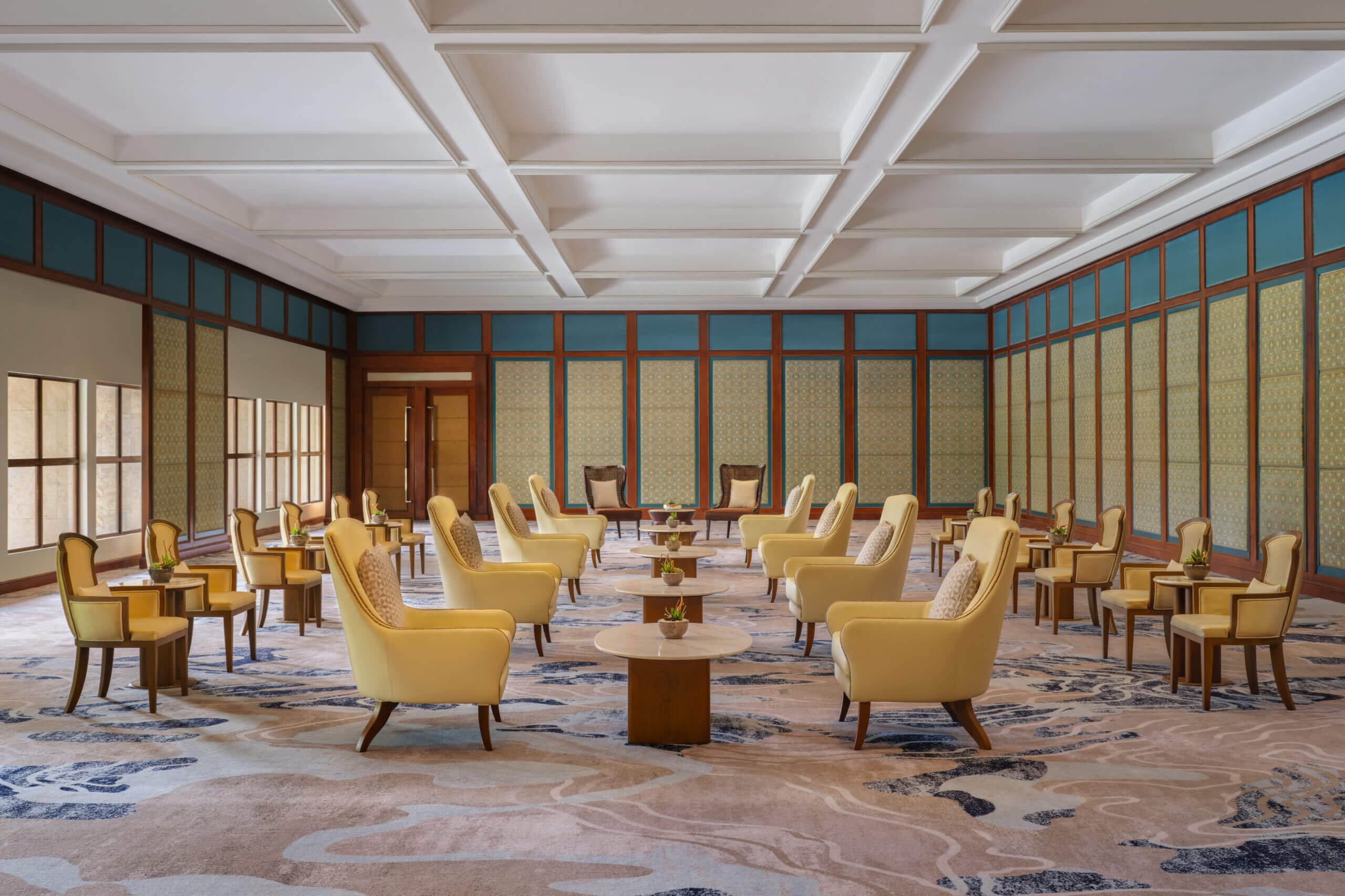
The Medan Room is a versatile venue for medium to large-sized events, accommodating up to 352 guests in a theater arrangement. It offers an ideal space for conferences, corporate meetings, or educational seminars.
| MEDAN ROOM | |
|---|---|
| TOTAL SQ. METER | 406 |
| TOTAL SQ. FEET | 4370 |
| DIMENSIONS (M) | 14 X 29 |
| DIMENSIONS (FT) | 46 X 95 |
| CEILING (M) | 5 |
| CEILING (FT.) | 16 |
| THEATER | 352 |
| CLASSROOM | 132 |
| U-SHAPE | 57 |
| BANQUET | 170 |
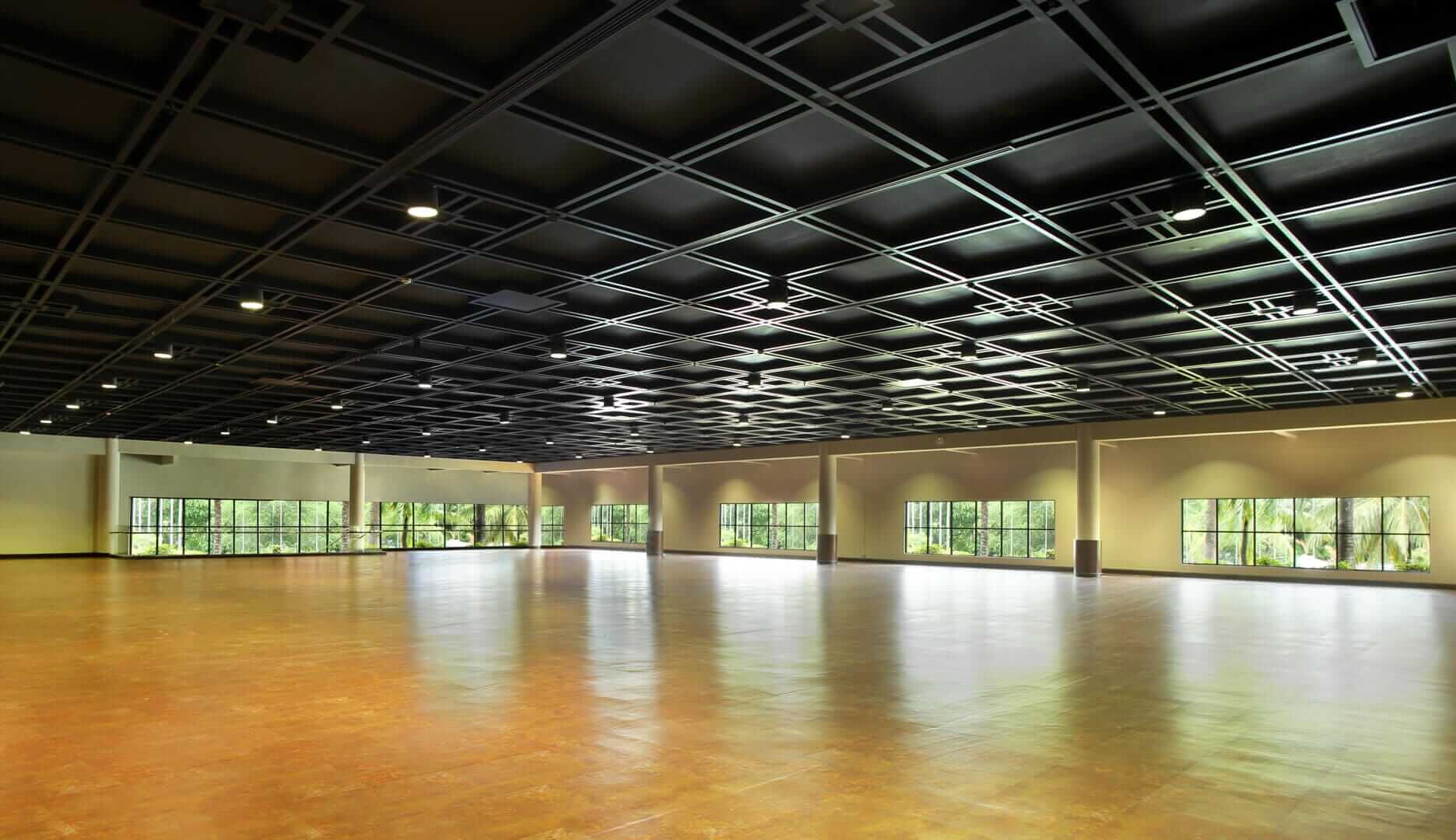
The BICC Exhibition Gallery spans 1,305 square meters, offering an elegant setting for art exhibits, smaller trade shows, or special events. Its sophisticated ambiance and spacious design make it perfect for more intimate displays while still maintaining ample room for a variety of setups.
| EXHIBITION GALLERY | |
|---|---|
| TOTAL SQ. METER | 1305 |
| TOTAL SQ. FEET | 14406 |
| DIMENSIONS (M) | 45 X 29 |
| DIMENSIONS (FT) | 147 X 95 |
| CEILING (M) | 4 |
| CEILING (FT.) | 13 |
| THEATER | 1200 |
| CLASSROOM | 680 |
| U-SHAPE | 123 |
| BANQUET | 840 |
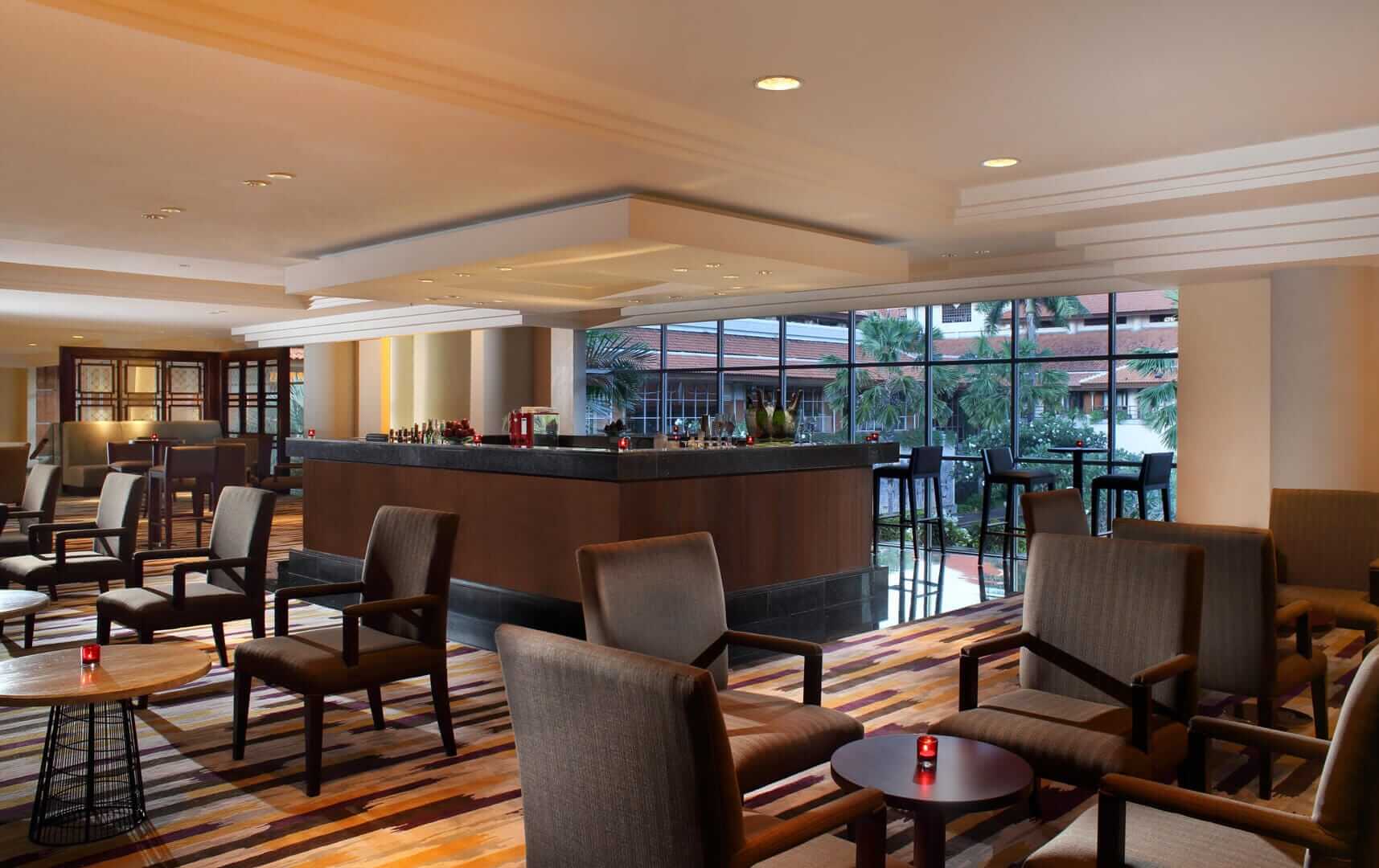
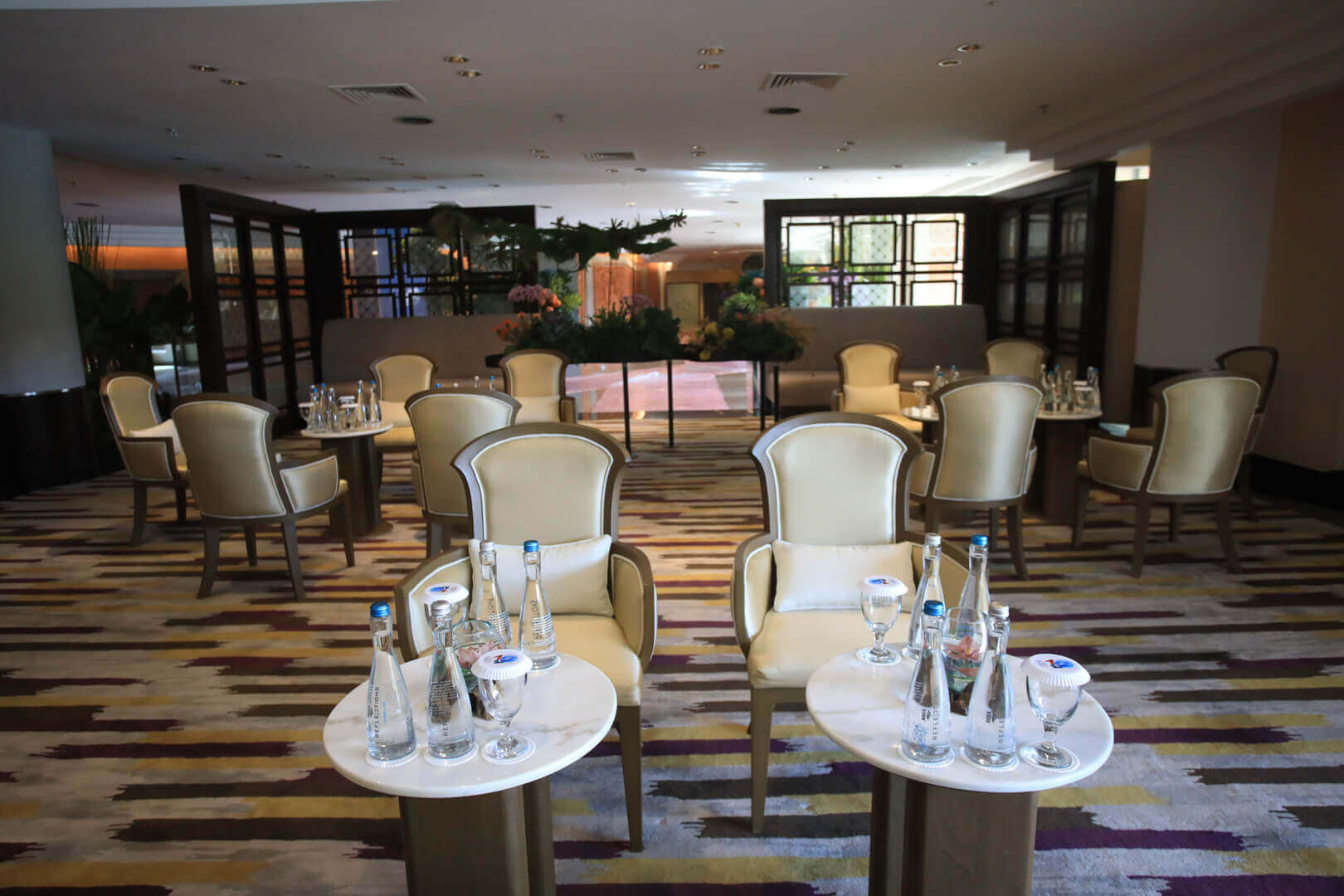
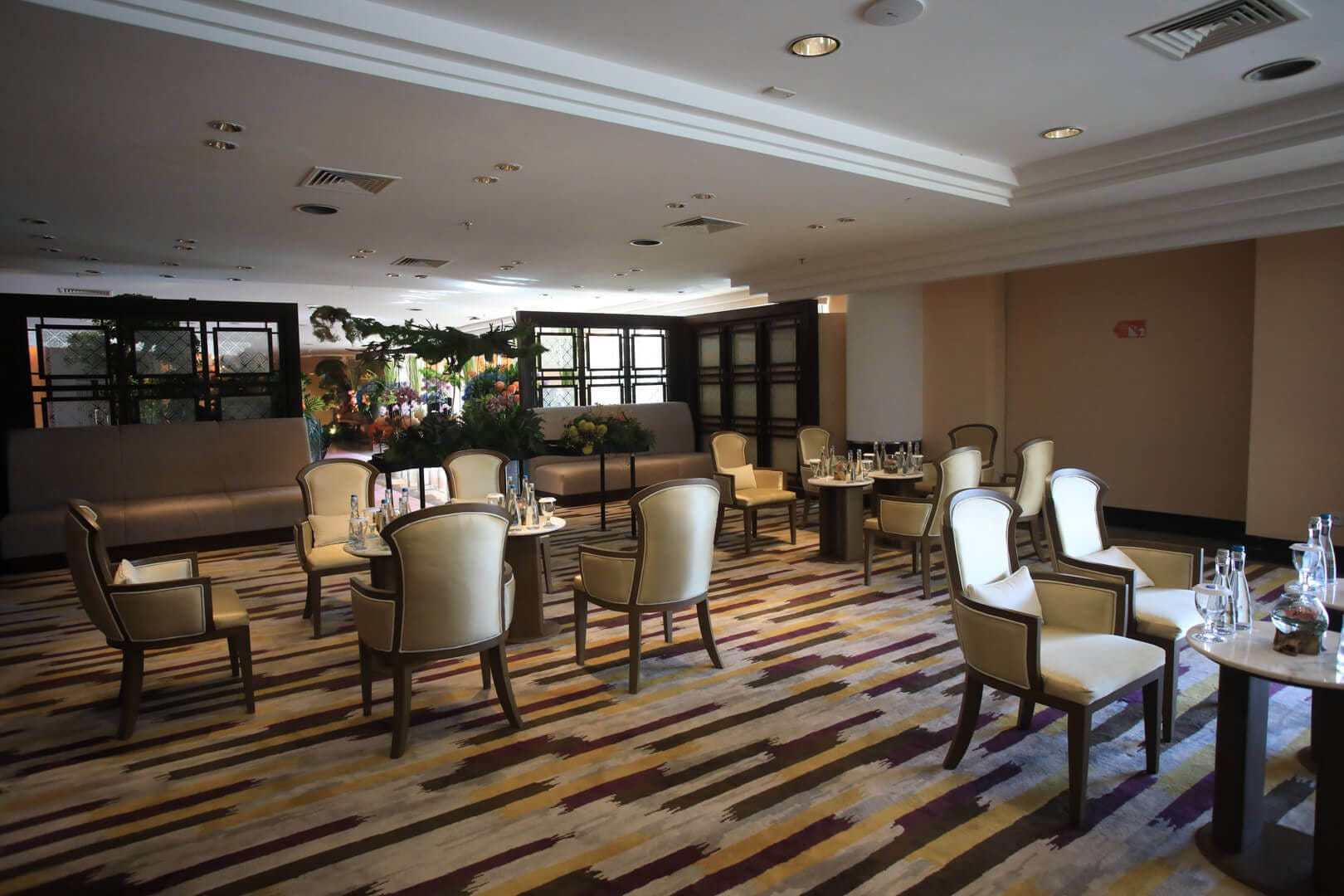
The Lounge is a relaxed and informal space, comfortably seating up to 60 guests in a lounge-style arrangement. It is perfect for casual gatherings, networking events, or social functions in a more laid-back environment.
| THE LOUNGE | |
|---|---|
| TOTAL SQ. METER | 207 |
| TOTAL SQ. FEET | 2330 |
| DIMENSIONS (M) | 21 X 10 |
| DIMENSIONS (FT) | 70 X 33 |
| CEILING (M) | 2.5 |
| CEILING (FT.) | 8 |
| THEATER | 60 (LOUNGE SETUP) |
| CLASSROOM | |
| U-SHAPE | |
| BANQUET |
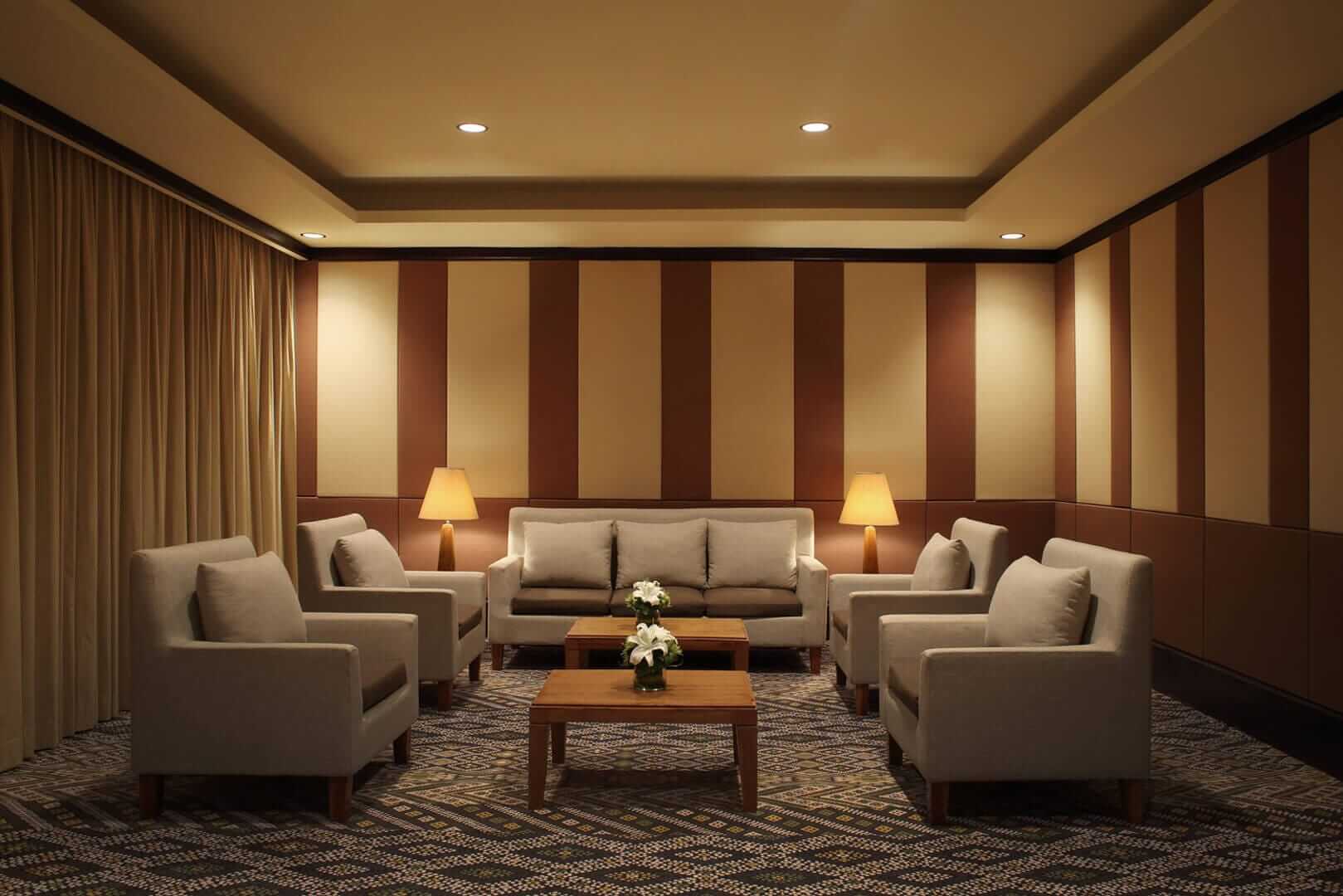
Designed for small to medium-sized meetings, the Singaraja Room accommodates up to 78 guests in a theater-style setup. It is ideal for business meetings, workshops, or training sessions that require a focused environment.
| SINGARAJA ROOM | |
|---|---|
| TOTAL SQ. METER | 78 |
| TOTAL SQ. FEET | 860 |
| DIMENSIONS (M) | 13 X 6 |
| DIMENSIONS (FT) | 43 X 20 |
| CEILING (M) | 3 |
| CEILING (FT.) | 10 |
| THEATER | 78 |
| CLASSROOM | 36 |
| U-SHAPE | 15 |
| BANQUET | 30 |
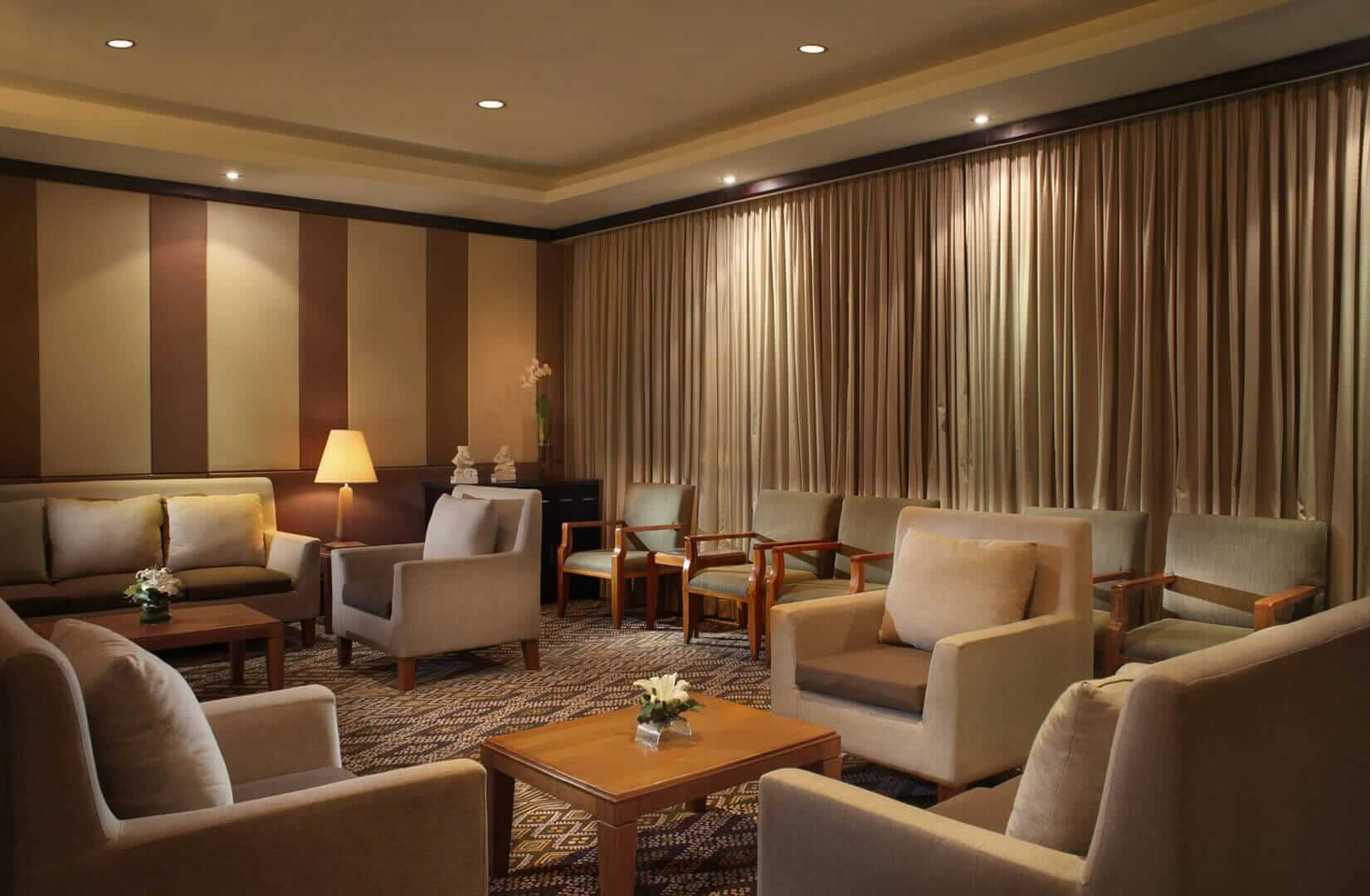
An intimate meeting space, the Karangasem Room can accommodate up to 83 guests in a theater setup. It is perfect for small presentations, business meetings, or educational workshops.
| KARANGASEM ROOM | |
|---|---|
| TOTAL SQ. METER | 78 |
| TOTAL SQ. FEET | 860 |
| DIMENSIONS (M) | 13 X 6 |
| DIMENSIONS (FT) | 43 X 20 |
| CEILING (M) | 3 |
| CEILING (FT.) | 10 |
| THEATER | 83 |
| CLASSROOM | 36 |
| U-SHAPE | 18 |
| BANQUET | 30 |
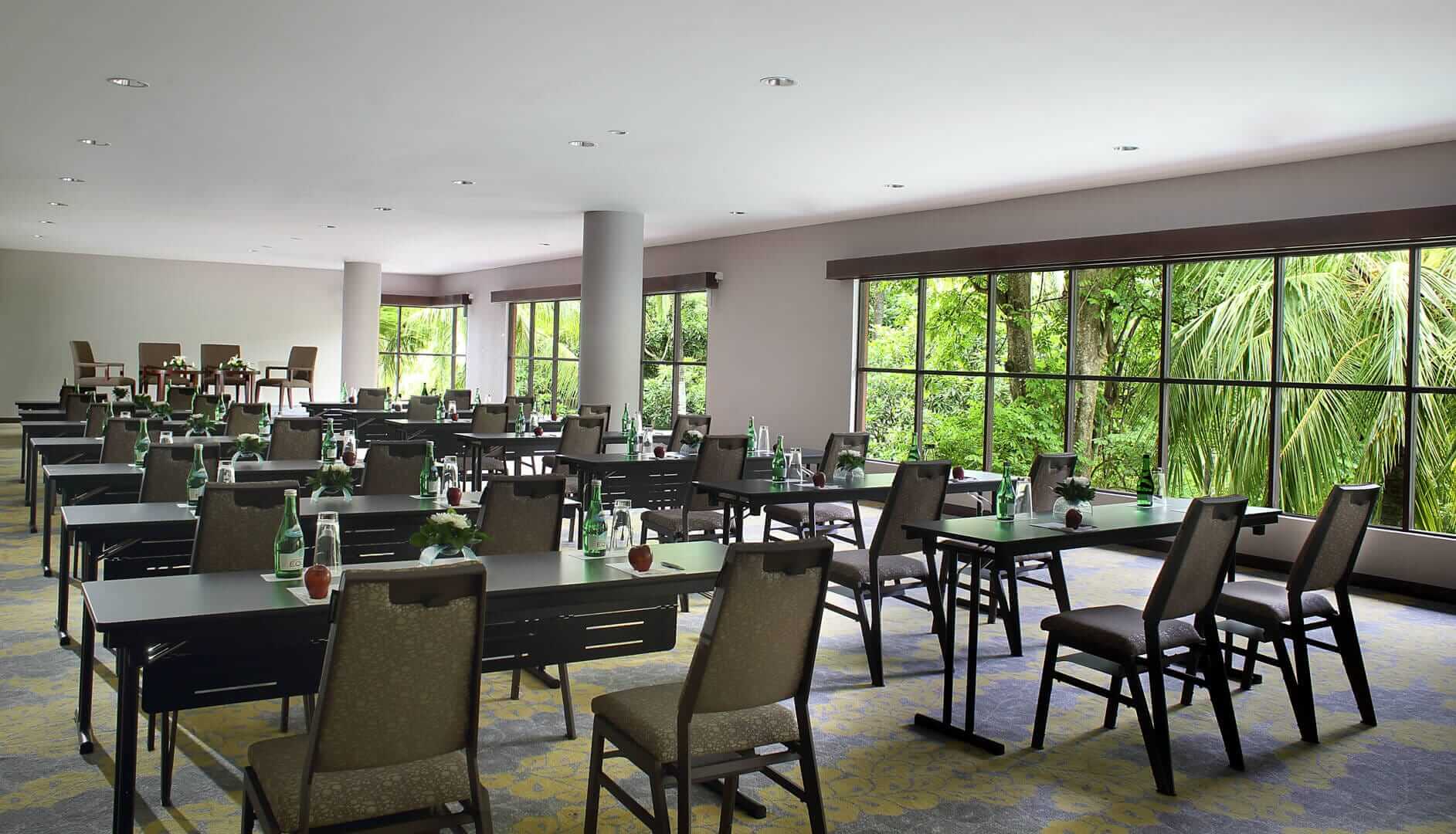
The Manado Room offers a medium-sized venue for conferences or seminars, with a theater-style capacity of up to 216 guests. It provides a professional space for a wide range of business functions.
| MANADO ROOM | |
|---|---|
| TOTAL SQ. METER | 273 |
| TOTAL SQ. FEET | 2967 |
| DIMENSIONS (M) | 21 X 13 |
| DIMENSIONS (FT) | 69 X 43 |
| CEILING (M) | 3 |
| CEILING (FT.) | 10 |
| THEATER | 216 |
| CLASSROOM | 96 |
| U-SHAPE | 57 |
| BANQUET | 140 |
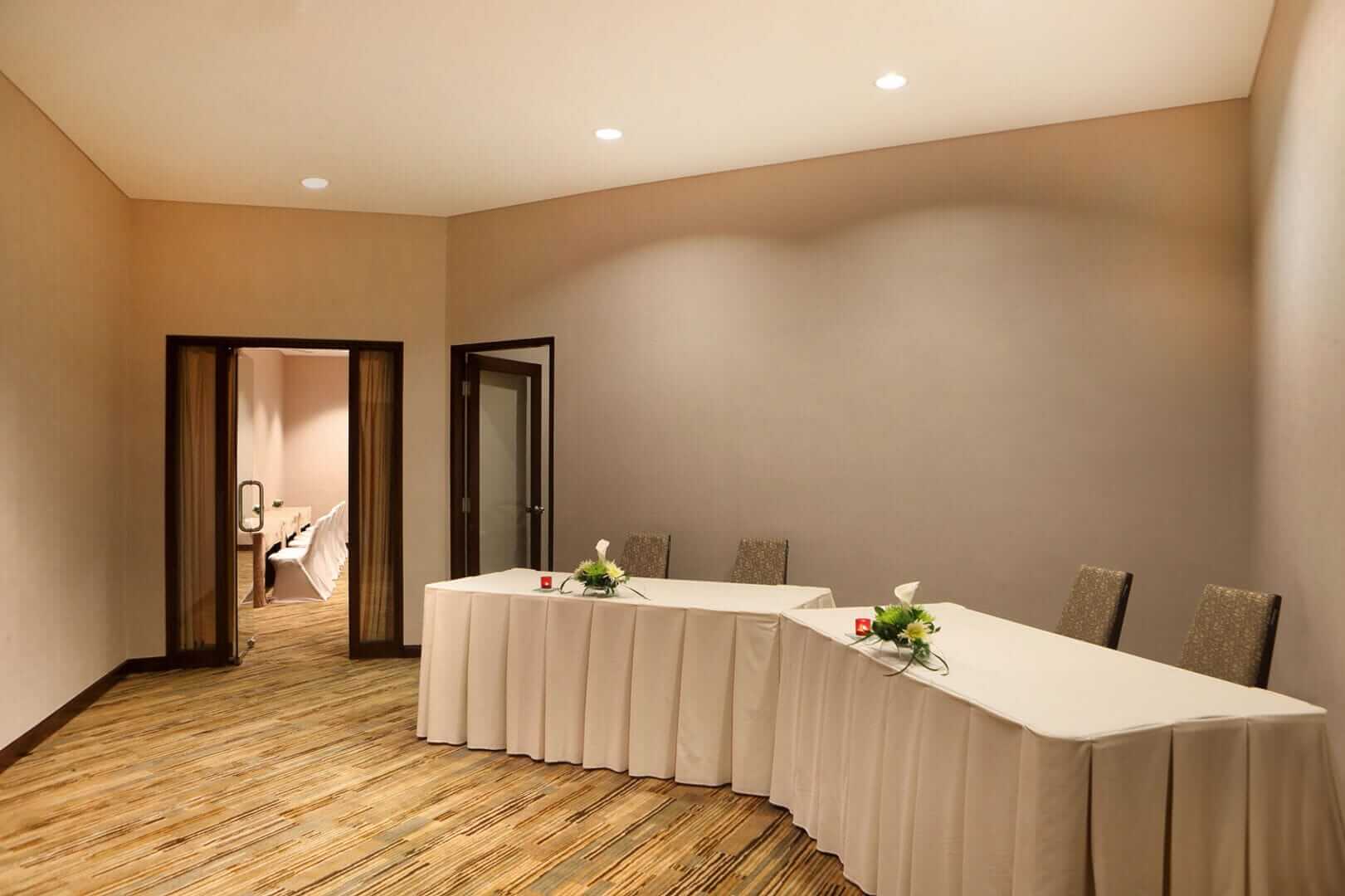
This versatile set of spaces is ideal for small to medium-sized events, with varying capacities to accommodate from 34 to 60 guests in a theater setup. It is well-suited for intimate meetings, workshops, or presentations.
| DENPASAR ROOM | |
|---|---|
| TOTAL SQ. METER | 78/53/81 |
| TOTAL SQ. FEET | 837/569/861 |
| DIMENSIONS (M) | NA |
| DIMENSIONS (FT) | NA |
| CEILING (M) | NA |
| CEILING (FT.) | NA |
| THEATER | 43/34/60 |
| CLASSROOM | 24/18/36 |
| U-SHAPE | 15/15/24 |
| BANQUET | 10/10/40 |
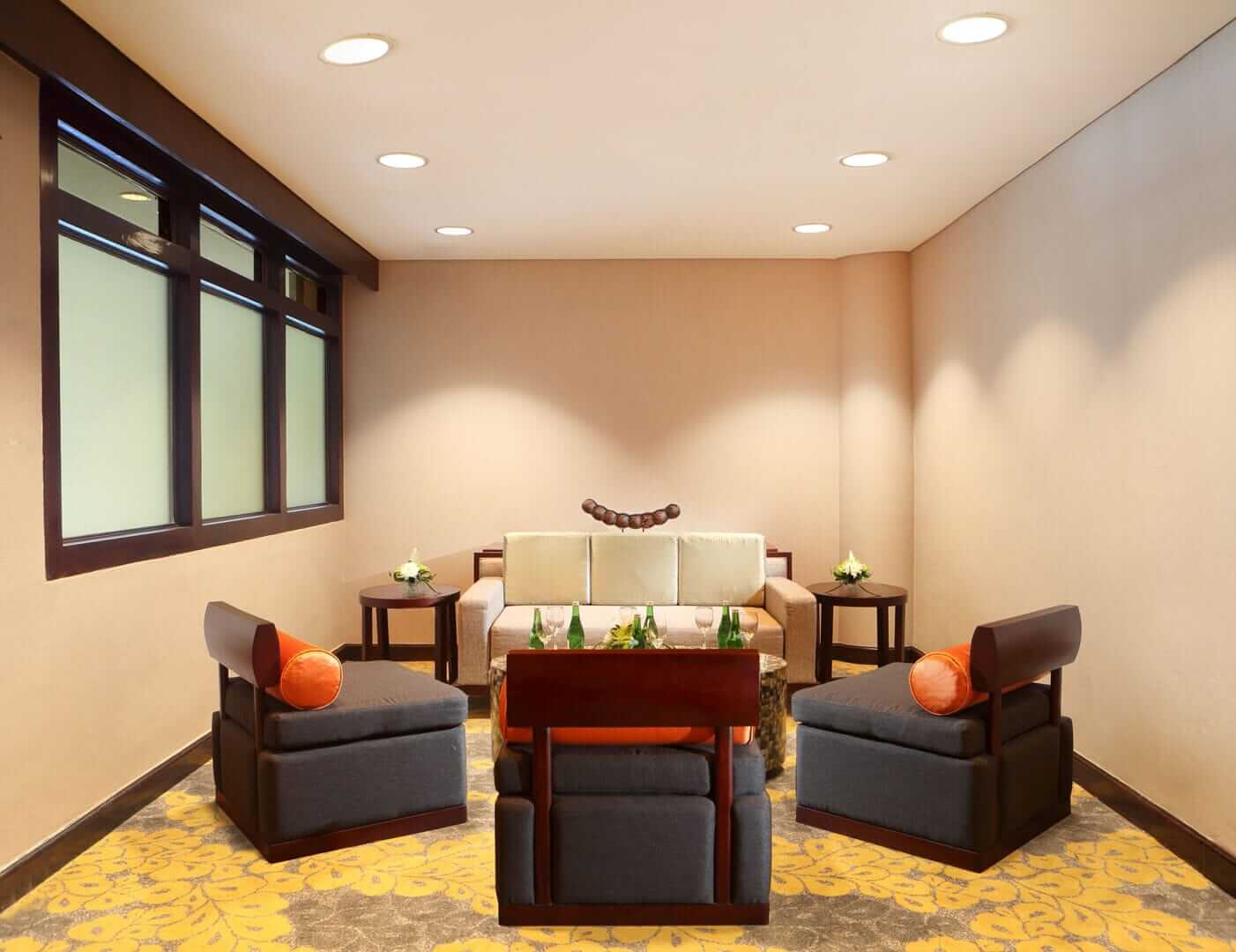
This compact meeting room is ideal for small presentations or intimate business discussions, offering a theater-style capacity of 30 guests. It is perfect for focused and professional gatherings.
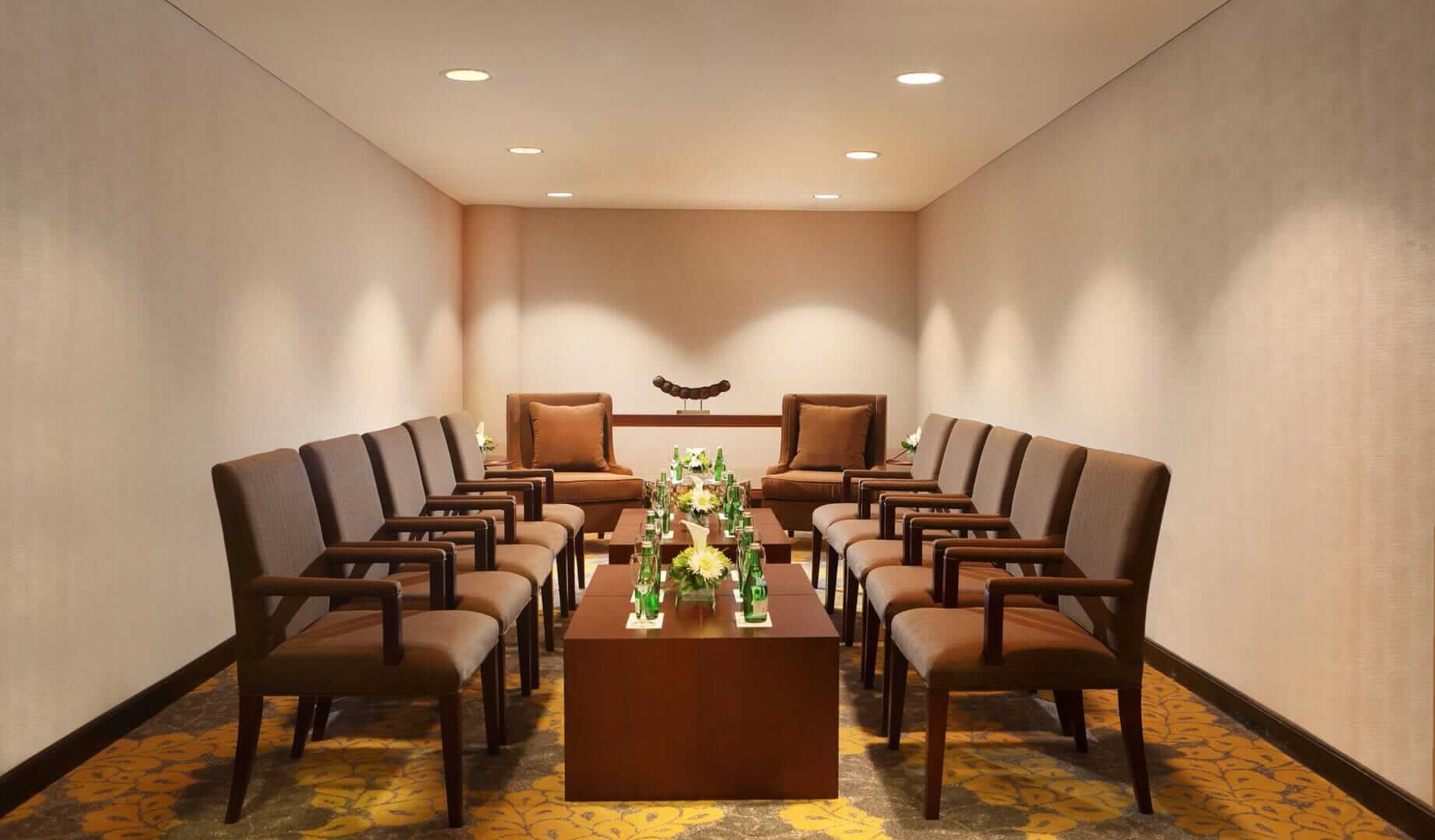
Slightly larger than Executive Room 1, this space accommodates up to 45 guests in a theater setup. It is suitable for mid-sized meetings, presentations, or workshops that require a more intimate environment.
| EXCECUTIVE ROOM 1 | EXCECUTIVE ROOM 2 | |
|---|---|---|
| TOTAL SQ. METER | 25 | 37 |
| TOTAL SQ. FEET | 269 | 398 |
| DIMENSIONS (M) | 3.5 X 7 | 3.5 X 10.5 |
| DIMENSIONS (FT) | 11 X 23 | 11 X 34.5 |
| CEILING (M) | 2.52 | 2.52 |
| CEILING (FT.) | 8 | 8 |
| THEATER | 30 | 45 |
| CLASSROOM | 12 | 18 |
| U-SHAPE | 15 | 21 |
| BANQUET | 20 | 20 |
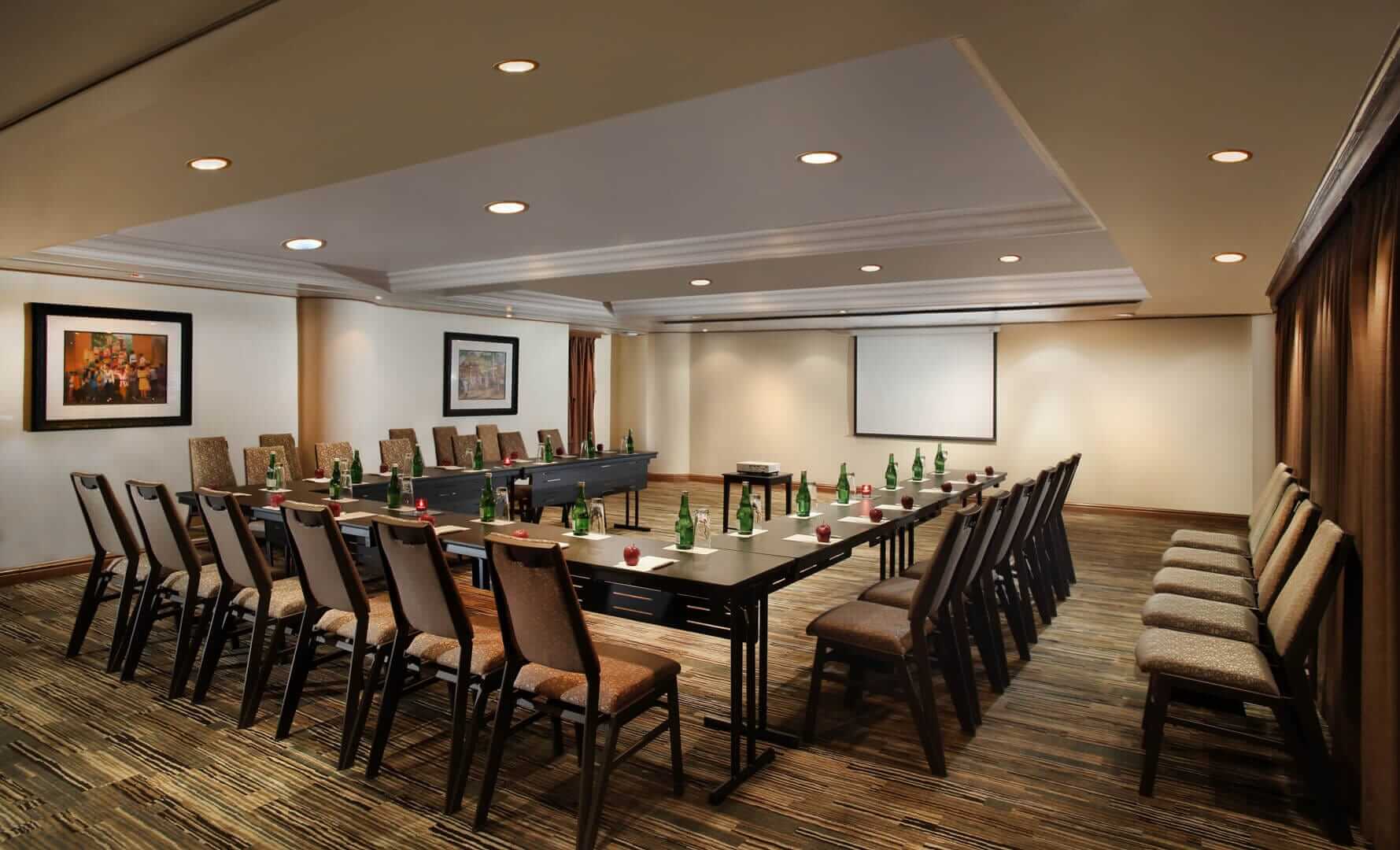
The Jasmine Room is a flexible venue for small to mid-sized events, comfortably seating up to 85 people in a theater arrangement. It is ideal for workshops, training sessions, or corporate meetings.
| JASMINE ROOM | |
|---|---|
| TOTAL SQ. METER | 88 |
| TOTAL SQ. FEET | 900 |
| DIMENSIONS (M) | 11 X 8 |
| DIMENSIONS (FT) | 36 X 25 |
| CEILING (M) | 2.1 |
| CEILING (FT.) | 6.9 |
| THEATER | 85 |
| CLASSROOM | 45 |
| U-SHAPE | 30 |
| BANQUET | 40 |
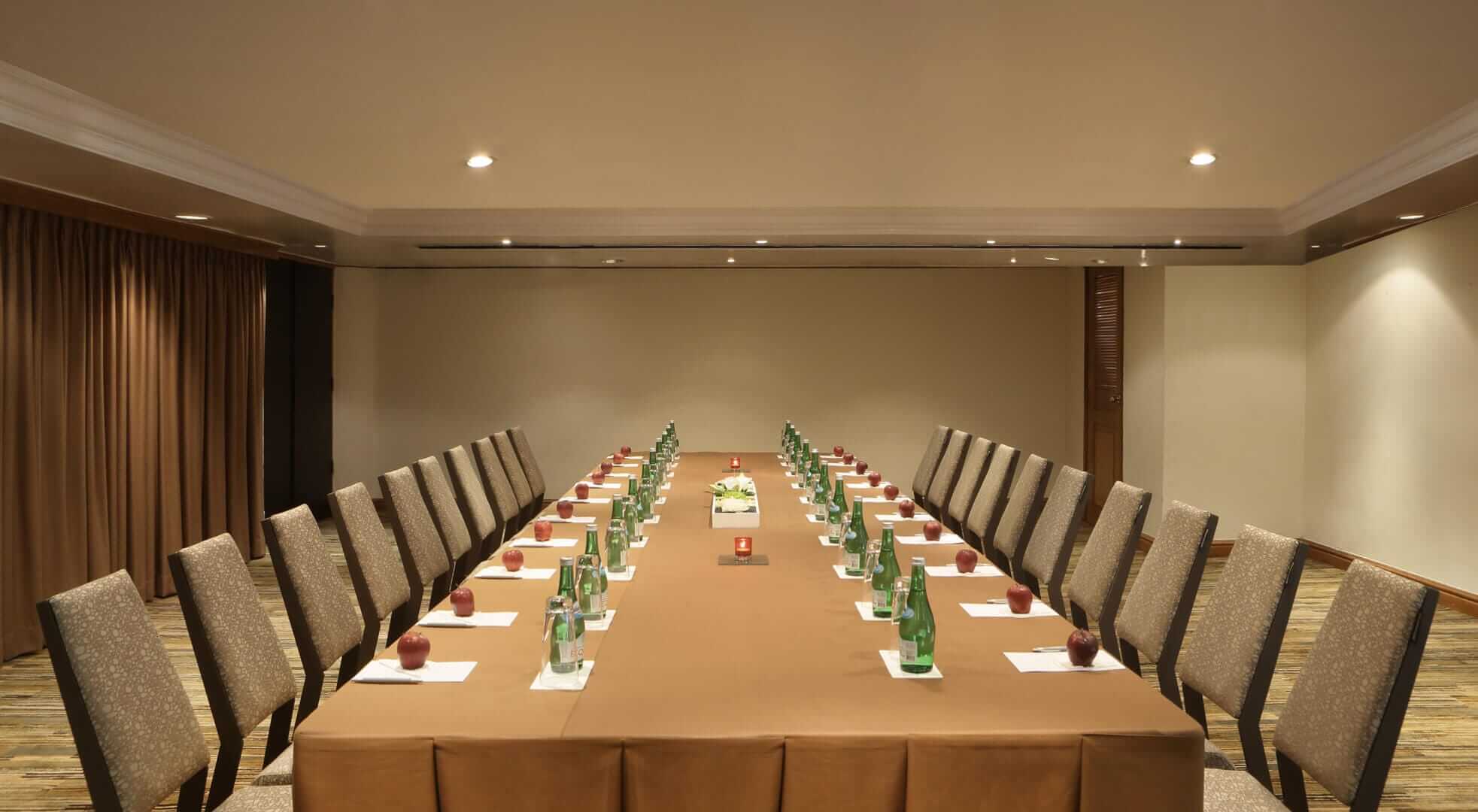
With a theater-style capacity of up to 80 guests, the Lotus Room is a flexible meeting space suited for corporate gatherings, presentations, or seminars that require a focused yet spacious environment.
| LOTUS ROOM | |
|---|---|
| TOTAL SQ. METER | 88 |
| TOTAL SQ. FEET | 900 |
| DIMENSIONS (M) | 11 X 8 |
| DIMENSIONS (FT) | 36 X 25 |
| CEILING (M) | 2.1 |
| CEILING (FT.) | 6.9 |
| THEATER | 85 |
| CLASSROOM | 45 |
| U-SHAPE | 24 |
| BANQUET | 40 |
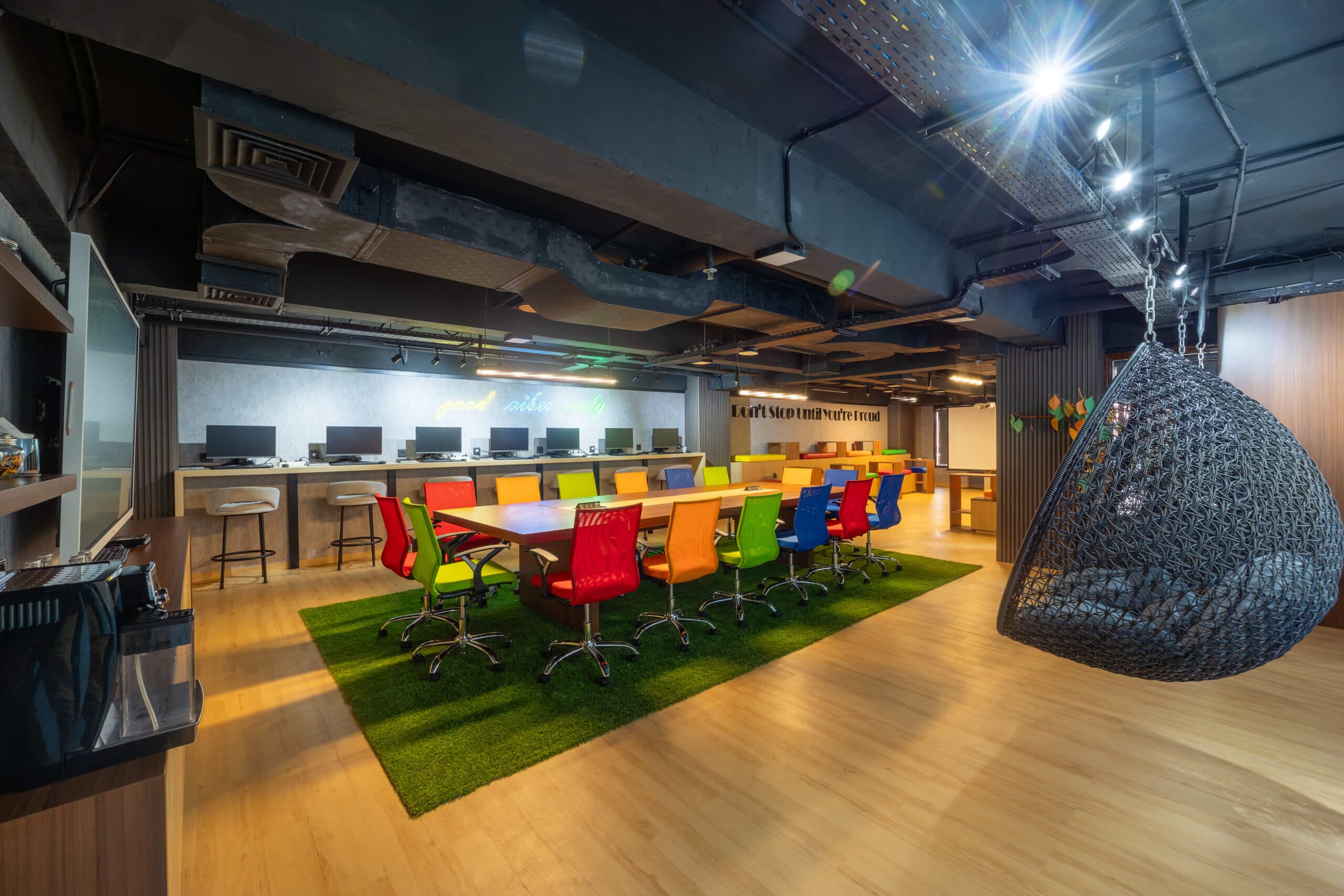
Heliconia Room I offers a spacious venue for larger meetings, presentations, or seminars, accommodating up to 102 guests in a theater-style setup. It is perfect for events requiring a professional yet comfortable atmosphere.
| HELICONIA ROOM | |
|---|---|
| TOTAL SQ. METER | 88 |
| TOTAL SQ. FEET | 900 |
| DIMENSIONS (M) | 11 X 8 |
| DIMENSIONS (FT) | 36 X 25 |
| CEILING (M) | 2.1 |
| CEILING (FT.) | 6.9 |
| THEATER | 102 |
| CLASSROOM | 48 |
| U-SHAPE | 36 |
| BANQUET | 50 |


The Kakawin Rāmâyana is an ancient Javanese epic poem, crafted in the style of traditional Sanskrit meters. Believed to have been composed in Central Java around the late 9th or early 10th century during the Mataram Kingdom era, it is the longest of all Old Javanese kakawins from Java’s Hindu-Buddhist period.
This Javanese Ramayana significantly diverges from its original Hindu counterpart. While the first half closely mirrors the original Sanskrit version, the second half deviates dramatically, so much so that it is unrecognizable to Indian scholars of the original epic. One of the most notable changes is the introduction of the Javanese deity Semar—known as Twalen in Balinese literature—and his misshapen sons, Gareng, Petruk, and Bagong. These four characters form the Punokawan, or “clown servants,” who play a significant role in this adaptation. The latter half of this tale is the most beloved and is frequently performed in wayang (shadow puppet) plays.
In the kingdom of Mantili, Princess Sita, the daughter of King Janaka, was sought after by many suitors. A contest was held to find her a worthy prince, and it was won by Prince Sri Rama Wijaya of Ayodhya. Meanwhile, Prabu Rahwana, the king of Alengka, desired Sita for himself.
During a journey through the Dandaka forest, Rahwana plotted to kidnap Sita. He transformed his servant Marica into a golden deer to lure Rama away, as Sita desired the deer. Rama pursued it, leaving Sita and his brother Laksamana behind. Concerned for Rama’s safety, Sita urged Laksamana to search for him. Before leaving, Laksamana drew a protective circle around Sita, ensuring her safety as long as she remained inside it.
Rahwana, disguised as an old Brahmin, tricked Sita into stepping out of the circle to give alms, and he kidnapped her, taking her to his palace in Alengka. Along the way, they were confronted by the Garuda bird Jatayu, who recognized Sita as the daughter of his friend, King Janaka.

Despite his valiant efforts, Jatayu was defeated by Rahwana. Meanwhile, Rama successfully killed the transformed Marica, and Laksamana found him. Upon their return, they discovered Sita was missing. They encountered the wounded Jatayu, who informed them that Rahwana had taken Sita before he died.
Grief-stricken by Sita’s disappearance, Rama and Laksamana wandered into the dense forest in search of her. Eventually, they reached Mount Resimuka, where they witnessed a fierce battle between the monkey Sugriwa and Subali, who was attempting to claim Sugriwa’s betrothed, Dewi Tara. Sugriwa was defeated and sent his servant, Hanuman, to seek Sri Rama’s help in defeating Subali. Rama agreed, and Subali was killed, allowing Dewi Tara to return to Sugriwa.
In gratitude, Sugriwa offered his assistance to Rama and sent Hanuman to Alengka to locate Sita and assess Rahwana’s forces.
Hanuman, with his unmatched strength and agility, infiltrated Alengka, causing chaos and destruction. The giants, unable to contain the devastation, rushed to inform their lord, Rahwana. Upon hearing of the monkey god’s intrusion, Rahwana’s fury erupted like a storm.

Despite Rahwana’s relentless advances, Sita, with unwavering resolve, harshly rebuked him, demanding he leave her in peace.
In the garden of Argasoka, where Sita awaited rescue, she wept over her situation, still hoping Rama would come to save her. Hanuman approached her, revealed his mission, and then caused further havoc in the garden to test the kingdom’s strength. However, he was captured by Rahwana’s son, Indrajit, and sentenced to be burned alive. Instead, Hanuman escaped by setting Alengka on fire.
Upon Hanuman’s return, he reported to Rama, who decided to launch an attack on Alengka with Sugriwa’s monkey army. Since Alengka was located on an island, it was challenging to devise a strategy. Ultimately, they decided to build a bridge from the mainland to the island. Despite numerous disturbances during its construction, the bridge was completed, allowing the army to march on Alengka.
Rahwana did not remain idle; he ordered Indrajit and Kumbhakarna to prepare for battle. His brother, Wibhishana, advised him to return Sita and avoid war, but Rahwana, consumed by rage, rebuked him. As a result, Wibhishana joined Rama’s side.
War became inevitable, and, as expected, Rahwana was ultimately defeated. His entire army and generals, including Indrajit and Kumbhakarna, perished in battle, and King Rahwana fell to the hands of Sri Rama.
Proven to be a true devotee, Rama healed Hanuman and blessed him with immortality. However, Hanuman refused this gift and asked only for a place at Rama’s feet to worship him. Touched by his devotion, Rama granted him immortality nonetheless, ensuring Hanuman would live on even after the end of the universe.
With Alengka’s defeat, Rama entered the palace to find Sita. However, Rama initially rejected her, suspecting she had been tainted during her time in Alengka. To prove her purity, Sita underwent a trial by fire and emerged unscathed with the help of Lord Agni, the Fire God, affirming her innocence.
Afterward, Rama, Sita, and Laksamana returned to Ayodhya, accompanied by Sugriwa and Hanuman. They were welcomed by King Barata, who handed over the kingdom to Rama. Sri Rama then ruled Ayodhyapura wisely.
In the Uttara Kanda, a later addition to the Kakawin Ramayana, it is recounted that doubts about Sita’s purity persisted. To avoid public scorn, Rama reluctantly exiled Sita to the forest.
In the forest, Sita met Sage Valmiki and gave birth to twin sons, Lava and Kusha. Sage Valmiki taught them the art of archery and the verses of the Kakawin so they could recount the story of their mother.
When Rama held a great ceremony called Ashwamedha, Sage Valmiki, along with Lava and Kusha, attended. The twins were instructed to sing the Ramayana, composed by Sage Valmiki. Realizing these were his sons, Rama summoned Sage Valmiki to bring Sita back to the palace.
Upon her return, Sita swore that if she were not pure, the earth would not accept her. Suddenly, the ground split open, and Goddess Parwati emerged, vouching for Sita’s purity. Filled with regret, Rama handed over his kingdom to Lava and Kusha and devoted the rest of his life to asceticism.
Lava and Kusha went on to rule their respective cities, Lavapuri and Kasur, as their father, Rama, had established them as rulers of Shravasti and Kushavati.